

First, Recognise the Signs
Before you can provide aid, you need to recognise the potential signs of a fracture. While a bone visibly piercing the skin (an open fracture) is an obvious medical emergency, closed fractures can be harder to identify. Common symptoms include severe
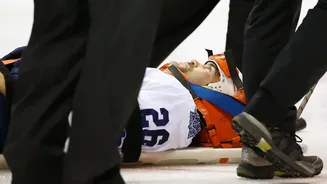
pain that worsens with movement or pressure, significant swelling and bruising, and a visible deformity where a limb looks bent or out of place. The person may have heard or felt a snap or grinding sound at the moment of injury. An inability to move the limb or put weight on it is another strong indicator. If you suspect a fracture in the head, neck, or back, do not move the person at all and call for emergency services immediately.
The Golden Rule: Immobilize
The primary goal of fracture first aid is to prevent movement. The sharp ends of a broken bone can damage nearby nerves, blood vessels, and muscles if the limb is moved improperly. This can increase pain, cause significant bleeding, and turn a closed fracture into a more serious open fracture. Your job is not to fix the bone, but to keep it stable in the position it was found. Never attempt to straighten a bent limb or push a protruding bone back into the skin. Tell the injured person to remain as still as possible while you prepare to support the injury.
How to Make a Makeshift Splint
If medical help is delayed or you must move the person, creating a temporary splint is the best way to ensure stability. You can improvise using common household items. First, find a rigid support, such as a rolled-up newspaper or magazine, a sturdy piece of cardboard, or a stick. Second, gather soft padding like towels, blankets, or clothing to cushion the splint and prevent pressure sores. Finally, you'll need fasteners like belts, scarves, strips of cloth, or tape to secure it. The cardinal rule for splinting is to immobilize the joints both above and below the suspected break. For example, if the forearm is injured, the splint must extend from above the elbow to below the wrist.
Applying the Splint Safely
If there is any bleeding from an open wound, control it first by applying firm pressure with a clean cloth around the wound, not directly on any protruding bone. Once bleeding is managed, gently place the padded rigid support alongside the injured limb. Secure the splint firmly in place with your fasteners, tying them above and below the site of the injury, but never directly over it. The splint should be snug enough to prevent movement, but not so tight that it cuts off circulation. Leave fingers or toes exposed so you can check them for paleness, numbness, or coldness, which are signs the ties are too tight.
While Waiting for Help
After the limb is immobilized, your work isn't done. Call for professional medical help immediately if you haven't already. To help manage pain and reduce swelling, you can apply a cold pack wrapped in a towel to the area for 15-20 minutes at a time. Do not apply ice directly to the skin or over an open wound. If possible and without causing more pain, elevate the injured limb above the level of the heart to help decrease swelling. Keep the person warm, calm, and reassured until help arrives. Avoid giving them anything to eat or drink, as surgery might be necessary.