



Meet the Mighty Microgreen
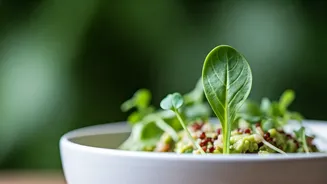
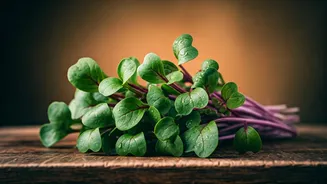
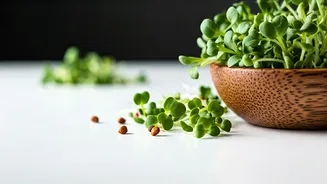
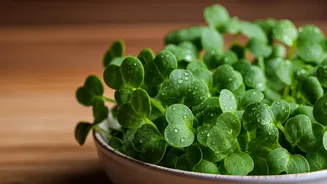
When you hear “shoots,” the mind might jump to bamboo or complex sprouts. But the star of this trend is the microgreen. So, what are they? Microgreens are young vegetable greens, harvested just after the first true leaves have developed. Think of them
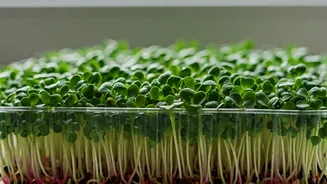
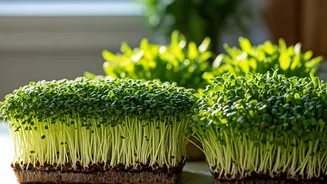
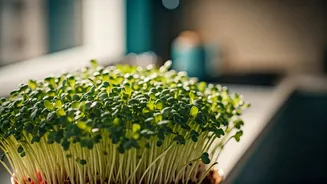
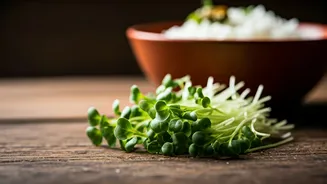
as the stage between a sprout and a baby green. Unlike sprouts, which are germinated in water and eaten whole (seed, root, and stem), microgreens are typically grown in soil or on a growing mat and are snipped at the stem, just above the soil line. They’re essentially tiny, tender, and intensely flavorful versions of the plants they would have become, like radishes, kale, arugula, or broccoli.
The Nutrient-Dense Payoff
The phrase “instant nutrients” is compelling, and while no food works magic instantly, microgreens come close to delivering on the promise of concentrated nutrition. Research from the USDA and various universities has shown that microgreens can pack a surprisingly powerful punch. In some cases, they can contain significantly higher concentrations of vitamins, minerals, and antioxidants—like vitamin C, vitamin E, and beta-carotene—than their fully grown counterparts. For example, red cabbage microgreens have been found to have many times the vitamin C of mature red cabbage. This density means a small sprinkle can add a meaningful nutritional boost to your meal without adding significant calories or volume.
Why the Trend Is Taking Root
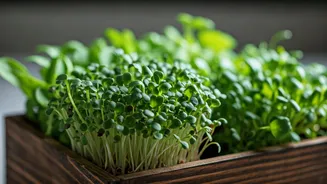
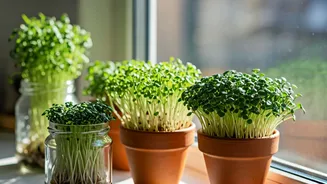
The rise of the windowsill garden isn’t just about nutrition; it's a perfect storm of modern wellness values. First, there's the desire for control and transparency over our food sources. Growing something yourself, even on a small scale, offers a powerful connection to what you eat. Second, it’s about speed and convenience. In a world of two-day shipping, waiting months for a garden to mature feels slow. Microgreens offer near-instant gratification, with many varieties ready to harvest in just 7 to 14 days. Finally, they’re undeniably aesthetic. A tray of vibrant, green shoots fits perfectly into the clean, curated look popular on social media, making it as much a lifestyle accessory as a health food.
Your Simple Starter Guide
Intimidated by gardening? Don't be. Growing microgreens is one of the easiest entry points into producing your own food. You don't need a yard, just a sunny spot. Here’s what you need to begin: 1. **Seeds:** Start with easy, fast-growing varieties like radish, broccoli, or mustard. You can buy seeds specifically labeled for microgreens online or at garden centers. 2. **A Shallow Container:** A simple plastic tray (even a recycled takeout container with drainage holes poked in it) works perfectly. 3. **Growing Medium:** Use a seed-starting soil mix or a soilless medium like a coco coir mat. Fill your tray with about an inch of your chosen medium. 4. **Light and Water:** Moisten the soil, sprinkle your seeds evenly and densely across the surface, and lightly press them in. Cover the tray for a couple of days to encourage germination. Then, uncover it and place it in a spot with several hours of sunlight. Mist with water daily to keep the soil damp but not waterlogged. In about one to two weeks, they’ll be ready to snip with scissors and eat.
Putting Your Harvest to Work
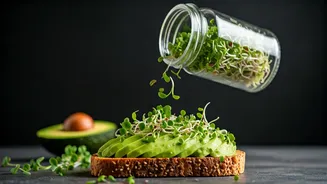
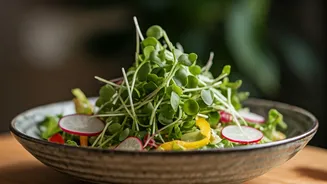
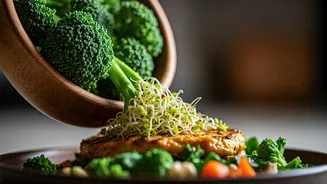
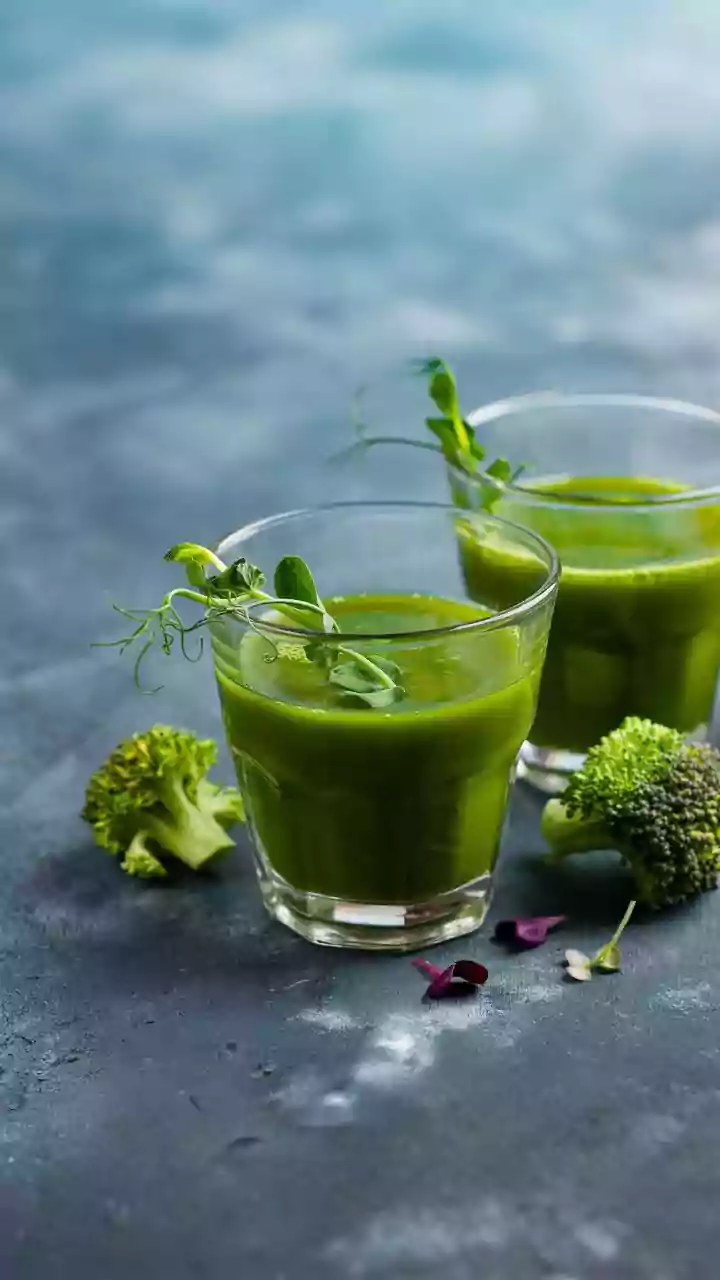
Once you have a tiny forest of greens, the fun begins. Their uses are nearly limitless, adding a fresh, peppery, or earthy crunch to almost any dish. They are far more than a simple garnish. Try tossing a generous handful into your salad for a burst of flavor and texture. Sprinkle them over avocado toast, scrambled eggs, or pizza right before serving. Use them to top soups, stews, and tacos for a fresh counterpoint to rich flavors. Or, blend them into your morning smoothie for a nutrient infusion you won't even taste. Their delicate nature means they are best used raw, preserving their crisp texture and potent nutritional value.