



A Park Reborn and Reopened
Bandhavgarh National Park’s core zones close each year during the monsoon, from July to September, allowing the forest to rejuvenate undisturbed. When the park reopens around mid-October, visitors are greeted by an ecosystem bursting with life. The landscape,
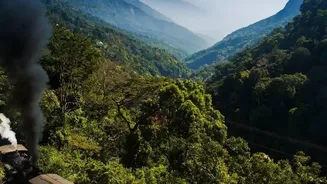
washed clean by the rains, is a breathtaking panorama of lush, vibrant green. This post-monsoon renewal creates a stunning backdrop for wildlife watching, with the forest floor carpeted in fresh growth and the air crisp and clean. The entire environment feels revitalised, offering a safari experience that is both visually spectacular and deeply refreshing.
Prime Time for Tiger Sightings
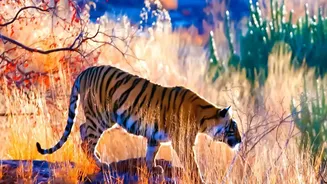
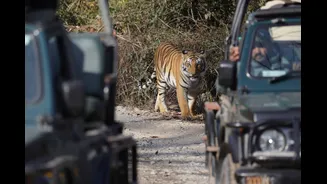
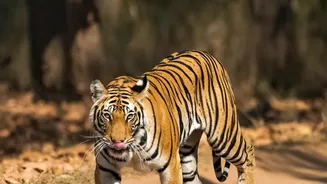
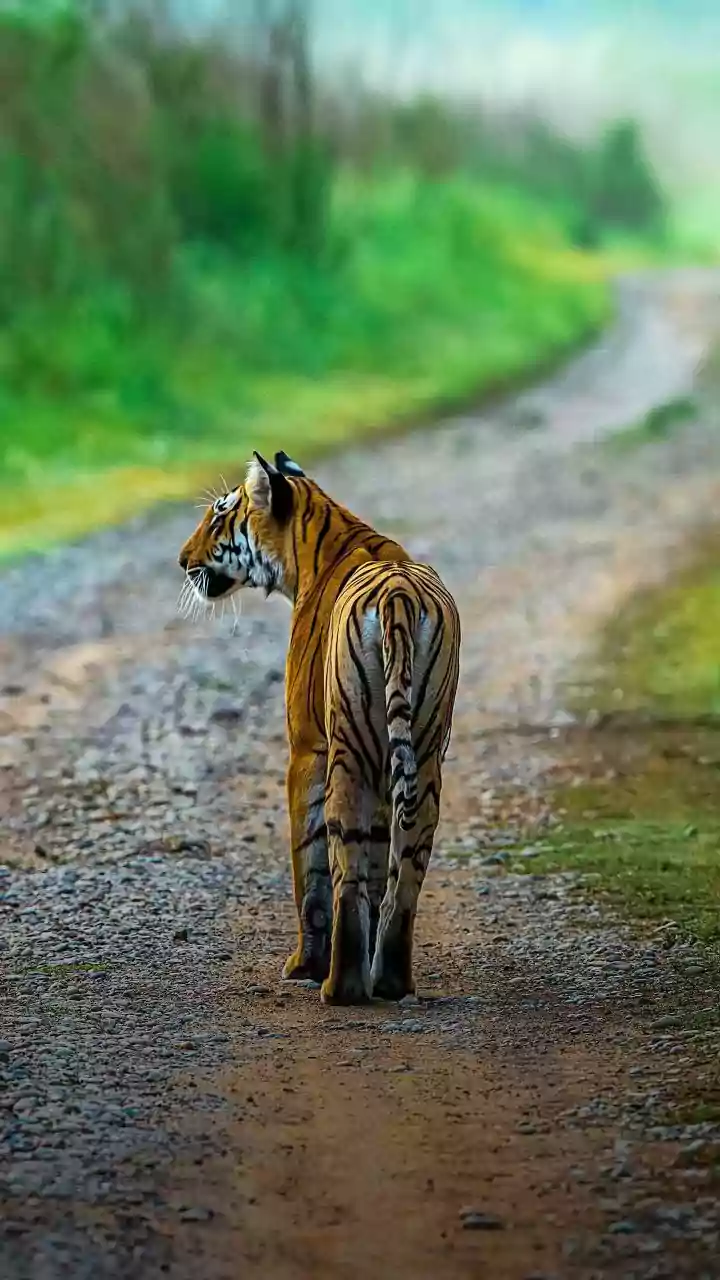
While the scorching summer months of April and May are famous for tiger sightings as animals gather at dwindling waterholes, the autumn season offers its own unique advantages. With its high density of Royal Bengal tigers, Bandhavgarh provides good sighting opportunities from October through June. In autumn, the weather is far more pleasant, and the big cats are often active and on the move. Though the vegetation is dense, the period immediately following the monsoon can still yield incredible sightings as tigers patrol their territories in the cooler, comfortable climate. The combination of active wildlife and pleasant temperatures makes for a rewarding and comfortable safari.
A Photographer’s Emerald Paradise
For photographers, autumn in Bandhavgarh is a dream. The post-monsoon greenery provides a rich, emerald backdrop that makes wildlife portraits pop. The soft, clear light of the autumn months is ideal for capturing the stunning landscapes and the animals that inhabit them. Unlike the harsh light and dry, dusty conditions of summer, this season offers a chance to photograph tigers, leopards, and deer against a vibrant, living canvas. The contrast between the animals' coats and the lush vegetation creates dynamic, professional-quality images that are difficult to achieve at other times of the year.
Beyond the Bengal Tiger
While tigers are the main attraction, Bandhavgarh's biodiversity is immense. Autumn is an excellent time to spot a wide array of other creatures. The park is home to leopards, sloth bears, sambar and spotted deer, Indian gaur, and wild boar. The pleasant weather means many of these animals are active throughout the day. Furthermore, the season is a paradise for birdwatchers. From October to January, migratory birds join the park’s resident avian population, which includes over 250 species like peacocks, kingfishers, and eagles. The lush forests and plentiful water sources make it an ideal time for birding.
The Ideal Climate for Adventure
Perhaps one of the most compelling reasons to visit in autumn is the weather. The months of October and November offer a perfect balance—the intense heat of summer has passed, and the biting cold of deep winter has not yet arrived. Daytime temperatures are comfortable, and while morning safaris can be crisp and cool, they are generally very pleasant. This climate makes the open-jeep safari experience much more enjoyable, allowing you to focus on the sights and sounds of the jungle without battling extreme temperatures. It is the ideal window for families and travellers who want to experience the wild without the physical toll of a summer safari.
Planning Your Autumn Safari
Given that autumn is a popular time to visit, planning ahead is crucial. Safari permits for the core zones like Tala, Magadhi, and Khitauli should be booked well in advance, as they can sell out 120 days prior to the visit date. You can book permits online through the Madhya Pradesh Forest Department portal. When packing, include light layers, as mornings can be chilly before warming up during the day. Booking your accommodation early is also recommended, as lodges and resorts near the park gates fill up quickly during this peak season.