



Beyond the Postcard View
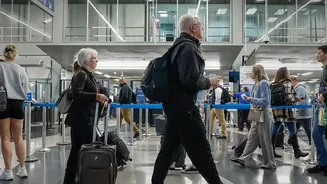
Conventional tourism often feels like a performance. You arrive at a famous site, navigate through crowds, take a picture, and move on. These high-density spots, while historically significant, have often been reshaped by the sheer volume of visitors,
leading to what some call the 'Disneyfication' of travel. The experience can feel staged and commercial, designed to process tourists rather than welcome them. By choosing to sidestep these congested areas, travellers are not just avoiding queues; they are shifting their entire mindset from sightseeing to experiencing. The goal is no longer to simply see a place, but to understand its rhythm, feel its pulse, and connect with the community that makes it unique. It’s an approach that values genuine interaction over a fleeting glimpse of a famous monument.
The Power of the Local Rupee
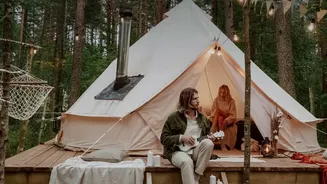
One of the most direct ways to gain local insight is to follow the money—specifically, where you spend yours. When you bypass the international hotel chains and souvenir shops clustered around major attractions, you open the door to a more authentic local economy. Staying in a family-run homestay, eating at a neighbourhood restaurant where locals gather, or buying crafts directly from an artisan does more than just provide a unique experience. It ensures your money directly supports the community, preserving traditions and livelihoods. These interactions are often where the most memorable moments happen. The guesthouse owner who shares stories over a morning cup of tea or the shopkeeper who explains the history of a local textile offers a form of cultural exchange that a standard tour package can rarely replicate.
Embracing a Slower Pace
The pressure to see everything can turn a vacation into a frantic race against time. Skipping the high-density spots allows for a slower, more deliberate form of travel. Instead of rushing through five cities in ten days, you might choose to spend that time exploring one region in depth. This slower pace creates space for spontaneity and discovery. You have the freedom to wander without a strict agenda, get intentionally 'lost' in a neighbourhood, or spend an entire afternoon in a local park observing daily life. Using public transport instead of private taxis offers a similar window into the everyday routines of residents. This approach transforms travel from a checklist of destinations into a series of meaningful moments and unplanned adventures.
How to Find Authentic Experiences
Finding these deeper insights requires a bit of curiosity and effort. Before you go, do some research on local customs and learn a few basic phrases in the local language; a simple 'hello' or 'thank you' can go a long way. Once there, seek out places where locals, not tourists, spend their time. Visit neighbourhood markets, attend a community festival, or find a greeter program, where volunteers show you their city for free. Instead of a large, impersonal tour, consider hiring a local guide who can offer a personal perspective on their hometown. Even small actions, like returning to the same café each day, can build familiarity and lead to friendly conversations with staff and other patrons. These efforts help break down the barrier between 'tourist' and 'local', fostering genuine connections.