






The Kitchen Secret for Healthy Plants
The practice of using leftover starch rinses is a simple, sustainable gardening hack passed down through generations. It refers to using the cloudy water left behind after washing rice, lentils (dal), or boiling potatoes and pasta. Instead of being discarded,
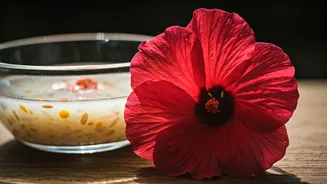
this nutrient-rich liquid can be repurposed as a mild, natural fertiliser for your potted plants and garden beds. It’s a zero-cost, zero-waste method to give your plants, especially heavy feeders like hibiscus, a gentle but effective boost. This tradition turns everyday kitchen 'waste' into a valuable resource for a thriving garden.
Why Starchy Water Works Wonders
The science behind this home remedy is straightforward. The cloudy appearance of rice or dal water comes from starch. When you pour this water into the soil, the starch provides food for beneficial microbes and fungi. These microorganisms break down the starch and other organic matter, releasing essential nutrients into the soil in a form that plants can easily absorb. Furthermore, this water contains trace amounts of important minerals like nitrogen, phosphorus, and potassium (NPK), along with B vitamins. This combination encourages stronger root development, healthier foliage, and, most importantly, more prolific flowering in plants like hibiscus.
Which Starch Rinse Is Best?
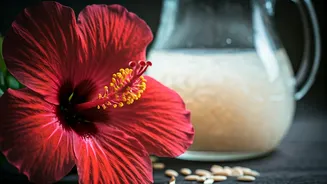
While several options work, they aren't all created equal. **Rice Water:** This is the gold standard. The water from rinsing uncooked rice is perfect. You can use it immediately or let it ferment for a day or two to increase its potency (though fermented water should be diluted with an equal part of plain water before use). **Dal Water:** The water from washing dal before cooking can also be used, but with a critical warning: it MUST be from unsalted, un-spiced dal. Any salt will severely damage or even kill your hibiscus plant. **Potato/Pasta Water:** The water left after boiling potatoes or pasta is also rich in starch. However, like dal water, it must be completely unsalted and allowed to cool to room temperature before you use it on your plants.
A Step-by-Step Application Guide
Ready to give your hibiscus a treat? Follow these simple steps for the best results. 1. **Collect the Water:** After rinsing your rice or dal, collect the first or second rinse water in a clean container. If using water from boiling potatoes, save it after the potatoes are cooked. 2. **Ensure It's Safe:** Double-check that the water is completely free of salt, oil, or spices. These additives are harmful to plants. 3. **Cool It Down:** Never use hot or even warm water on your plants. It can shock the roots and cause serious damage. Let the liquid cool completely to room temperature. 4. **Water the Base:** Pour the starchy water directly onto the soil at the base of your hibiscus plant, avoiding the leaves. Wetting the leaves can sometimes encourage fungal growth. 5. **Don't Overdo It:** This is a supplement, not a replacement for regular watering. Use the starch rinse once or twice a week at most. On other days, water your plant with plain water as you normally would.
Common Mistakes to Avoid
This simple technique is highly effective, but a few common errors can negate its benefits or even harm your plant. First and foremost, never use water that contains salt, masala, or oil. This is the fastest way to damage the soil and kill your plant. Second, avoid the temptation to use this method daily. Overwatering with any liquid, including starch rinses, can lead to root rot, a fungal disease that is difficult to cure. Finally, remember that this is a gentle fertiliser, not a magic cure-all. A healthy hibiscus also needs plenty of sunlight (at least 6-8 hours a day), well-draining soil, and protection from pests to truly flourish.