







What Exactly Is Zone 2 Cardio?
Forget the 'no pain, no gain' mantra for a moment. Zone 2 cardio is all about exercising at a low-to-moderate intensity. It’s often called 'base training' because it builds a strong aerobic foundation. The simplest way to know you're in Zone 2 is the 'talk
test': you should be able to hold a full conversation without gasping for breath. If you can easily sing, you're likely in Zone 1 (too easy), and if you can only get a few words out, you've pushed into Zone 3 or higher. This steady, comfortable effort is the key. You're working, but you're not straining.
The Science of Sustainable Stamina
The magic of Zone 2 happens at a cellular level. At this intensity, your body becomes incredibly efficient at using fat for fuel instead of relying on readily available carbohydrates. More importantly, it stimulates your mitochondria, the tiny power plants inside your cells. Consistent Zone 2 training encourages your body to build more mitochondria and make existing ones work better. This enhanced mitochondrial function is crucial for long-term energy production and endurance. It means your body gets better at producing energy, which translates to less fatigue in your daily life and a higher capacity for more intense exercise down the road.
Why It's a Game-Changer for Desk Workers
For someone who is largely sedentary, jumping into high-intensity interval training (HIIT) can feel overwhelming and lead to burnout or injury. HIIT is effective but also places significant stress on the body. Zone 2 offers a gentler, more sustainable path to fitness. Because it’s low-impact and doesn't leave you feeling drained, it’s easier to incorporate into a busy week without feeling wrecked for your next workday. It builds your aerobic base, improves heart health, and enhances your body's ability to handle stress. This type of training adds to your energy reserves rather than depleting them, making it the perfect antidote to office-induced lethargy.
Finding Your Zone: Two Simple Methods
While a heart rate monitor offers precision, you don't need one to start. The easiest way is the talk test mentioned earlier—maintain a pace where you can chat comfortably. For those who like numbers, you can estimate your Zone 2 heart rate. First, find your estimated maximum heart rate (MHR) by subtracting your age from 220. Your Zone 2 range will be between 60% and 70% of that number. For example, if you are 40, your estimated MHR is 180 (220 - 40). Your Zone 2 heart rate would be between 108 and 126 beats per minute (180 x 0.60 and 180 x 0.70). Use this as a guideline, but always prioritise how you feel. The effort should feel repeatable and smooth.
How to Start Your Zone 2 Routine
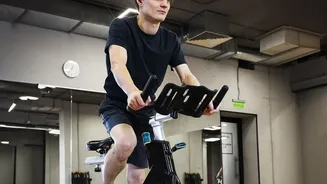
The beauty of Zone 2 is its accessibility. You don't need a special gym or equipment. Activities like brisk walking (where a casual stroll won't suffice), light jogging, steady cycling, or using an elliptical or rower at a controlled pace are perfect. The goal is consistency. Aim for two to three sessions a week, starting with 30 minutes and gradually increasing the duration as you feel more comfortable. Remember, this isn't about speed; it's about maintaining that steady, conversational effort. Even a brisk walk during your lunch break can be a fantastic Zone 2 workout that breaks up long periods of sitting and contributes to your long-term stamina.