





Why Calories Aren't the Full Picture
A calorie is a unit of energy, but where that energy comes from matters immensely. Your body processes 100 calories from a handful of almonds very differently from 100 calories from a sugary biscuit. The almonds provide fibre, protein, and healthy fats,
which promote satiety and stable blood sugar. The biscuit, often made with refined flour and sugar, can cause a rapid spike in blood sugar followed by a crash, leaving you hungry for more. Focusing only on calories ignores the nutritional quality of the food. It's a bit like judging a book by its cover without reading the contents. Health is not a simple maths equation of 'calories in versus calories out'; it's about the quality of the fuel you provide your body. Recent guidelines from the Indian Council of Medical Research (ICMR) also emphasise the importance of diet quality over mere quantity.
The Trio to Track: Sugar, Salt, and Fat
Instead of just the calorie count, experts advise paying close attention to three key ingredients: added sugar, sodium (salt), and saturated fat. Excessive intake of these is directly linked to an increased risk of non-communicable diseases like diabetes, hypertension, and heart conditions, which are on the rise in India. The 2024 ICMR guidelines recommend restricting added sugars to less than 10% of your total daily calories and keeping salt intake below 5 grams per day. For saturated fats, the advice is to keep them below 7% of your daily energy intake. Many packaged snacks, even those that seem healthy, can be loaded with these. A savoury snack might be low in sugar but sky-high in sodium, while a 'healthy' granola bar might be packed with various forms of hidden sugars.
The Rise of Ultra-Processed Foods
Beyond specific nutrients, it's crucial to understand the level of processing a food has undergone. Many modern packaged snacks fall into the category of ultra-processed foods (UPFs). These are not just foods with added salt or sugar; they are industrial formulations made from substances extracted from foods, often with a long list of additives like colourings, flavourings, and emulsifiers. Think instant noodles, packaged biscuits, sugary drinks, and many 'ready-to-eat' meals. Studies have shown a strong link between high consumption of UPFs and poor health outcomes, independent of their nutrient content. The ICMR's latest guidelines specifically advise minimising the consumption of high-fat, sugar, salt, and ultra-processed foods. These products are designed to be hyper-palatable, making them easy to overconsume while offering little nutritional value.
How to Become a Label Detective
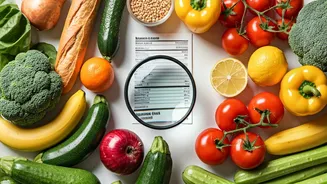
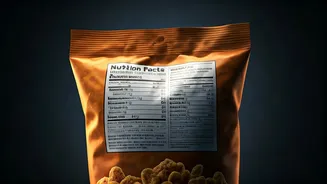
The real story of a snack is on the back of the packet, in the ingredients list. This list is your most powerful tool. Ingredients are listed in descending order by weight, so the first three to four ingredients make up the bulk of the product. If you see sugar (or its many aliases like high-fructose corn syrup, dextrose, or maltose), refined flour (maida), and palm oil at the top of the list, you know what you're primarily eating. A good rule of thumb is to favour products with shorter ingredient lists that feature names of whole foods you recognise. The Food Safety and Standards Authority of India (FSSAI) is also working towards a clearer front-of-pack labelling system, which will highlight high levels of sugar, salt, and fat to help consumers make quicker, more informed choices.