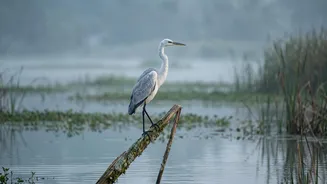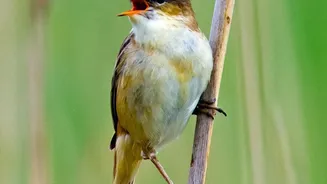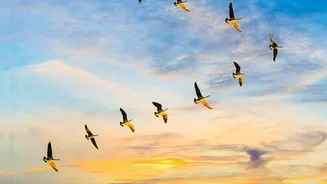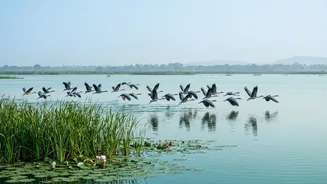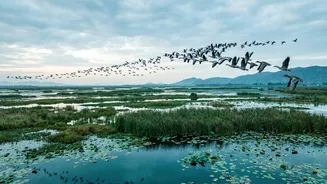



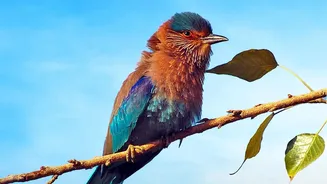
Every year, a breathtaking natural spectacle unfolds across India as millions of migratory birds arrive from distant lands. This ancient rhythm of nature, however, is facing a silent but growing threat that jeopardises their very survival.
An Epic Journey Across Continents
Twice a year,
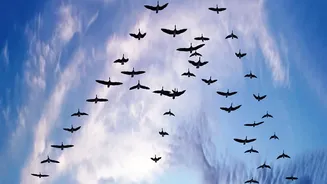
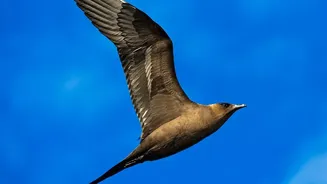
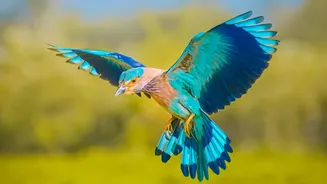
the skies are filled with some of the planet's most formidable travellers. From the icy expanses of Siberia and Central Asia, species like the bar-headed goose, greater flamingo, and rosy starling embark on an arduous journey spanning thousands of kilometres. These birds navigate using a combination of visual landmarks, memory, and even the Earth's magnetic field. For many, India is their final destination, a winter haven from the brutal cold of their northern breeding grounds. The bar-headed goose, for instance, performs the astonishing feat of flying over the Himalayas, reaching altitudes where oxygen is perilously thin. These migrations are a testament to endurance, an epic saga of survival written in the sky.
The Critical Role of Wetlands
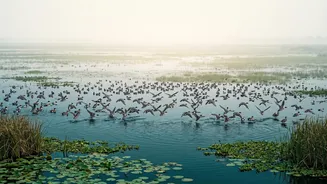
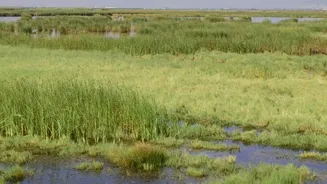
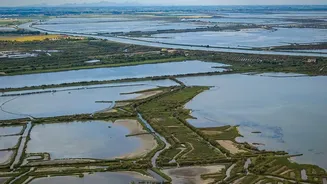
This incredible journey is not a non-stop flight. To survive, migratory birds depend on a network of vital 'pit stops' along their routes, known as flyways. India is a crucial anchor for the Central Asian Flyway, providing essential wintering or stopover habitats for over 90% of the bird species using this route. These stops are almost always wetlands: marshes, lakes, mudflats, and riverbanks. Wetlands are nature's service stations. They are rich ecosystems teeming with food like fish, invertebrates, and aquatic plants that allow birds to rest and refuel for the next leg of their journey. Without these sites, the chain of migration is broken. A bird cannot complete a multi-thousand-kilometre trip without places to safely feed and recuperate.
A Disappearing Lifeline
Tragically, these critical habitats are disappearing at an alarming rate. India is estimated to have lost nearly one-third of its wetlands over the last few decades. The threats are numerous and relentless. Urbanisation and infrastructure projects encroach on and fragment these delicate ecosystems. Pollution from industries and cities poisons the water, killing off the food sources the birds rely on. Agricultural expansion often involves draining wetlands for crop cultivation. Furthermore, the introduction of invasive species can choke native vegetation, while climate change leads to erratic rainfall and rising temperatures, disrupting the very conditions that make these habitats viable. Many wetlands, like Deepor Beel in Assam and Pallikaranai in Chennai, continue to face degradation despite being recognised as internationally important.
Counting the Cost for Birds
The impact on migratory bird populations is direct and devastating. When a wetland is lost or degraded, it is not just a piece of land that vanishes; it is a critical link in a survival chain that stretches across continents. For the birds, it means less food, fewer safe places to rest, and disrupted breeding and wintering cycles. This environmental stress forces them to either abandon traditional routes or crowd into the few remaining healthy habitats, increasing competition and vulnerability to disease. In some regions, birdwatchers and scientists have already reported a decline in the number and diversity of visiting species. The once-common Siberian crane is now a rare sight in India, a stark reminder of what is at stake.
Protecting Our Shared Heritage
The fate of migratory birds is a powerful indicator of the health of our environment. Recognizing this, India has taken significant steps, including expanding its network of protected wetlands under the Ramsar Convention and developing a National Action Plan for the conservation of migratory birds. The government has signalled its intent to play a leadership role in protecting the Central Asian Flyway. These efforts are vital, but conservation is a shared responsibility. It involves everything from better urban planning and pollution control to community-led initiatives to protect local water bodies. Protecting wetlands is not just about saving birds; it is about preserving ecosystems that recharge our groundwater, protect us from floods, and support a rich web of life.