





How Probiotics Built the Foundation
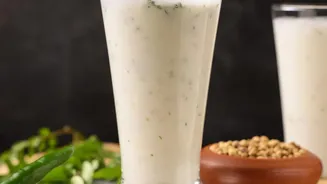
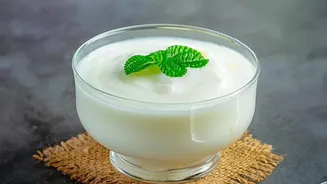
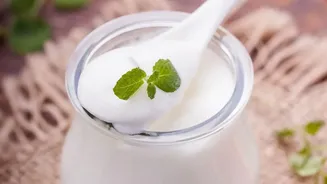
The groundwork for India's functional beverage boom was laid by products promoting gut health. Brands like Yakult, and probiotic-fortified dahi (curd) from giants like Amul and Nestlé, successfully tapped into a growing consumer awareness around digestion
and immunity. This first wave normalized the idea of buying beverages for specific health benefits beyond simple refreshment. The market for probiotics in India was valued at over USD 8 billion in 2025 and is projected to continue its strong growth, demonstrating a sustained consumer interest in preventive health through diet. This cultural shift, where consumers began looking at food labels for active ingredients like 'live cultures', created the perfect entry point for other wellness-focused products.
Enter the Protein Powerhouse
The new star of the wellness aisle is the protein drink. Once confined to the gym bags of serious bodybuilders, protein supplements are now mainstream. The Indian protein supplements market reached over USD 900 million in 2025 and is expected to grow to over USD 1.5 billion by 2034. A significant part of this expansion is driven by ready-to-drink (RTD) formats. These convenient, pre-mixed shakes offer a solution for busy urban consumers who want a quick, nutritious option on the go. The conversation has shifted from niche fitness circles to everyday routines, with an emphasis on convenience — no messy powders, no shakers, just a portable bottle.
The New Face of Protein Consumers
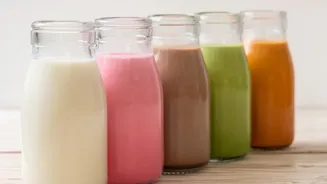
The target audience for protein has broadened significantly. While muscle repair for athletes remains a key selling point, brands are now marketing protein for satiety, weight management, and general vitality. This has attracted a diverse consumer base, from millennials and Gen Z in cities to working professionals and health-conscious families. The growth is fueled by a post-pandemic increase in health consciousness and the rising spending power of a younger generation focused on wellness. Brands are responding with appealing flavours like cold coffee, chocolate, and strawberry, positioning their drinks as tasty lifestyle products rather than clinical supplements.
Key Players and Market Movers
The market is a bustling mix of established dairy players and agile new entrants. Dairy behemoths like Amul, already a leader in the probiotic space, have entered the protein category with products like whey protein sachets. They compete alongside dedicated sports nutrition brands like MuscleBlaze and international names such as Optimum Nutrition. At the same time, a new wave of brands including Yoga Bar, Phab, and Raw Pressery have carved out significant space on retail and quick-commerce platforms by focusing on clean labels, innovative flavours, and strong digital marketing. The rise of quick commerce apps like Blinkit and Zepto has also been a game-changer, allowing for impulse health purchases and making these drinks more accessible than ever.
From Gut Health to Holistic Wellness
The dual rise of probiotics and protein drinks signals a maturing wellness market in India. The initial focus on digestive health (probiotics) has expanded to include muscle health, energy, and overall nutrition (protein). This reflects a more holistic consumer approach to health that goes beyond simply curing ailments to actively pursuing preventive wellness. The entire functional beverage market in India is experiencing explosive growth, with a projected compound annual growth rate (CAGR) of over 10%. Consumers are now seeking drinks that do more, whether it's boosting immunity, improving focus with nootropics, or calming with Ayurvedic herbs.