




The Glow of Hoi An's Ancient Town
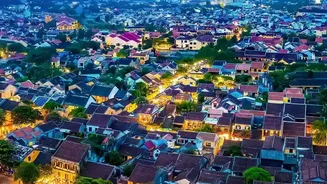
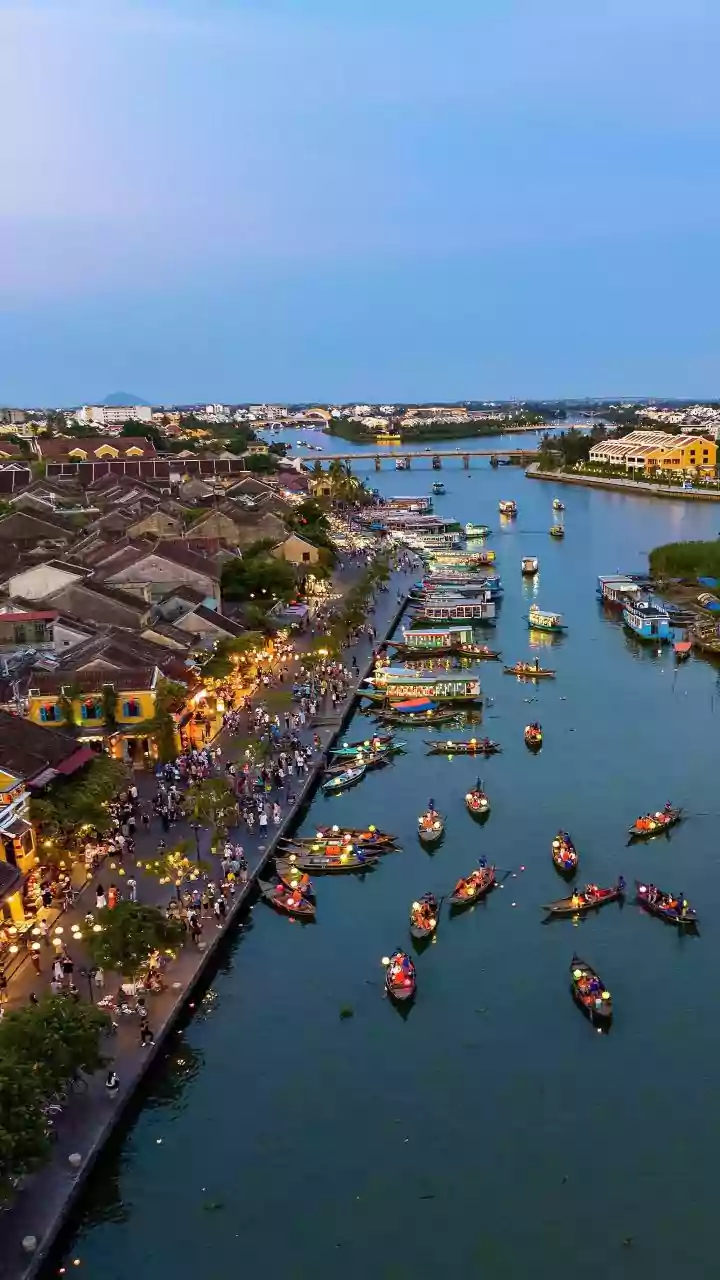
Nowhere is the marriage of craft and culture more visible than in Hoi An. As dusk settles over the UNESCO World Heritage site, the town transforms into a mesmerising spectacle of light. Hundreds of silk lanterns, a craft tradition dating back to the 17th
century, cast a warm, magical glow over the narrow streets and the tranquil Hoai River. This tradition was born from the practical needs of Chinese and Japanese merchants who settled in this bustling port town, using lanterns to illuminate their homes and pray for good fortune. Today, these lanterns are Hoi An’s most iconic symbol. The monthly Full Moon Festival sees the ancient town turn off its electric lights, allowing the soft luminescence of lanterns to reclaim the night, creating an unforgettable, timeless atmosphere. Visitors can not only purchase these beautiful souvenirs but also participate in workshops to craft their own, connecting personally with a 400-year-old art form.
Da Nang’s Legacy in Stone and Silk
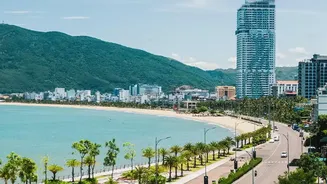
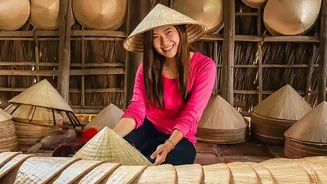
Just a short journey from Hoi An, the modern city of Da Nang is a surprising hub for traditional crafts. At the foot of the dramatic Marble Mountains lies Non Nuoc, a stone carving village with a history stretching back several centuries. Here, artisans transform blocks of marble into intricate sculptures, religious statues, and delicate decorative items. The sound of chisels and sanders fills the air as generations of families continue the work of their ancestors. Da Nang's artisan scene also extends to other heritage crafts. Nearby villages specialise in handmade rice paper, the fragrant Nam O fish sauce, and sedge mat weaving, offering a glimpse into the authentic daily life and profound cultural identity of central Vietnam. These villages are not just tourist stops; they are living museums where skills are passed down, preserving a vital link to the region's past.
Nha Trang: A Feast for the Senses
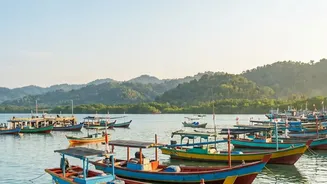
Further down the coast, the resort city of Nha Trang offers a different, more rustic market experience rooted in the sea. While the Nha Trang Night Market caters to visitors with its array of souvenirs and clothing, the city's true heart beats in its traditional local markets. Dam Market, the largest and most iconic, is a bustling maze where locals and tourists alike can find everything from dried seafood and regional specialities to intricate embroidery and lacquerware. For a more authentic slice of life, markets like Xom Moi and Vinh Luong are where the real action happens. Early in the morning, the Vinh Luong Seafood Market is a chaotic, vibrant scene as fishing boats unload their fresh catch, supplying the city's kitchens. These markets are a sensory overload in the best way possible, filled with the sights, sounds, and smells of coastal Vietnamese life.
Echoes of the Cham Kingdom
Weaving through the culture of Vietnam’s south-central coast are the enduring traditions of the Cham people. In the areas around Phan Thiet and Ninh Thuan, this ancient culture is kept alive through distinctive crafts. Bau Truc pottery village, one of the oldest in Southeast Asia, is particularly unique as Cham women craft ceramics by hand without a potter's wheel, shaping the clay as they walk backwards around it. The pieces are fired outdoors using traditional methods, giving them a rustic, unique finish. Equally important is the art of brocade weaving, a skill passed down through generations of Cham women. The intricate patterns and vibrant colours of their textiles tell stories of their history and beliefs. Resorts and cultural centers in Phan Thiet often showcase these crafts, allowing visitors to watch artisans at work and appreciate a heritage that has been recognized by UNESCO.