


An Open-Air Art Gallery's New Purpose
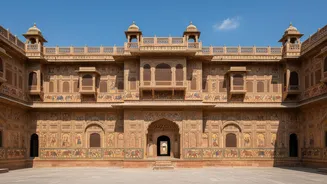
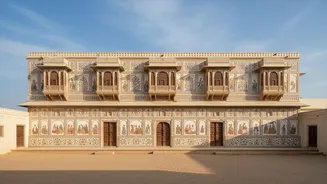
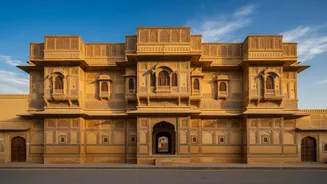
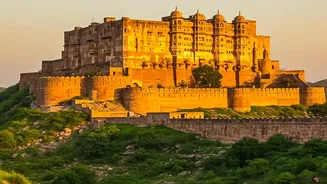
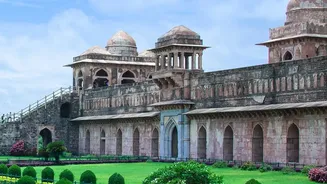
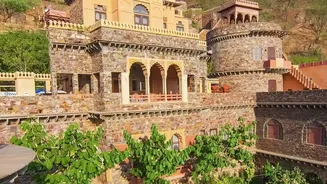
Known as the “open-air art gallery of Rajasthan,” the Shekhawati region is famed for its historic havelis, grand mansions adorned with intricate frescoes. For decades, many of these architectural marvels, built by wealthy merchants in the 18th and 19th
centuries, were falling into neglect. However, a quiet revolution has been taking place. A growing number of these havelis have been meticulously restored and converted into heritage homestays. This adaptive reuse is not just about preserving buildings; it's about reviving the soul of the region by creating a sustainable economic engine rooted in cultural preservation. These homestays offer travellers an authentic alternative to mainstream hotels, providing an immersive experience in a place where every wall tells a story.
The Quiet Power of the Off-Peak Season
The typical tourist season in Rajasthan, from October to March, can be overwhelming. Savvy travellers and cultural enthusiasts are increasingly discovering the benefits of visiting Shekhawati during the quieter, 'off-peak' months. Fewer crowds allow for a more intimate and unhurried exploration of the region's art and architecture. The slower pace fosters deeper, more meaningful interactions with the local community. For the homestays, attracting visitors during these shoulder periods provides a more stable, year-round income. This stability is the bedrock upon which they can build meaningful partnerships with local artisans, ensuring that the economic benefits of tourism are distributed more evenly throughout the year, rather than being concentrated in just a few hectic months.
A Direct Bridge Between Guest and Artisan
This is where the model truly shines. Shekhawati homestays act as crucial intermediaries, creating a direct connection between their guests and the region's craftspeople. Many homestays actively facilitate this connection by organizing hands-on workshops where visitors can learn traditional skills directly from the source. Experiences often include lac bangle making with the Manihar community, pottery with local Kumhars, or observing the vibrant tie-dye processes. Furthermore, these properties often serve as curated showcases, displaying and selling local crafts—from hand-carved wooden furniture to block-printed textiles and fresco paintings—providing artisans with a vital marketplace that bypasses middlemen. This ensures a greater share of the revenue flows directly to the creators.
Celebrating Shekhawati's Living Crafts
The range of artisanal skills being preserved through this symbiotic relationship is vast. The region has a rich, 200-year-old tradition of hand-carved wooden furniture, a craft that was nearly lost to mass production. Artisans specializing in 'Thewa' jewellery, puppetry, and vibrant 'Bandhani' tie-dye are finding new audiences. For example, some local organisations empower women's self-help groups by training them in tie-dye arts, providing them with materials, regular work, and a platform to sell their textiles. By staying at a heritage homestay, a visitor is not just renting a room; they are gaining access to this entire ecosystem of creativity. Guided tours often include visits to artisan studios, offering a chance to see masters at work and understand the generations of skill behind each creation.
A Virtuous Cycle of Preservation
This model creates a powerful, self-sustaining cycle. Tourism provides the financial incentive to restore and maintain the havelis. In turn, these restored homestays offer unique cultural experiences—like artisan workshops—to attract discerning travellers. This creates a dedicated market for local artisans, ensuring their skills are not only preserved but are seen as economically valuable. It fosters a sense of pride and ownership within the community, strengthening the region's cultural identity. Ultimately, this approach moves beyond simple sightseeing, transforming tourism into a tool for active cultural and economic revival. It demonstrates how responsible travel can directly contribute to the welfare of a community and the preservation of its precious heritage for generations to come.