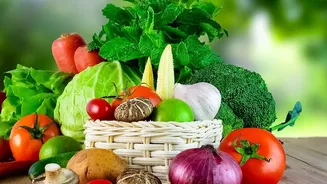







The Power of Eating Seasonally
Following the seasons isn't just a nostalgic idea; it's a science-backed approach to better health and flavour. Produce harvested at its natural peak is more nutritionally dense. Studies show that in-season fruits and vegetables can contain significantly
higher levels of vitamins and antioxidants compared to those grown artificially or transported over long distances. For instance, a locally grown tomato in its prime season can have two to three times more Vitamin C than one available off-season. When produce is abundant, it’s also more affordable. A seasonal calendar helps you anticipate these peaks, allowing you to enjoy the best produce when it’s freshest, tastiest, and easiest on your wallet. This practice also introduces natural variety into your diet throughout the year, which is beneficial for gut health by feeding diverse bacterial populations.
Beyond Your Plate: Supporting Local Ecosystems
Choosing to buy local, seasonal produce is a powerful vote for your community's economic and environmental health. When you buy from nearby farms, your money stays within the local economy, supporting farmers' livelihoods and creating jobs. This simple act strengthens the entire local agricultural framework. Furthermore, reducing 'food miles'—the distance your food travels from farm to table—lowers the carbon footprint associated with transportation, refrigeration, and packaging. Supporting local farmers also encourages agricultural biodiversity. Many small-scale farmers grow heirloom or traditional varieties that aren't common in large-scale commercial farming, helping to preserve India's rich crop heritage.
How to Create Your Regional Calendar
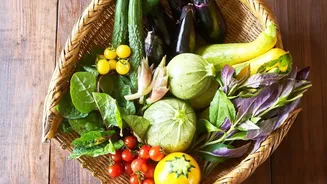
India's diverse agro-climatic zones mean there is no single, national produce calendar. What’s in season in Maharashtra might be weeks away from ripening in Punjab. The first step is to understand your specific region's cycles. India broadly has three growing seasons: Summer (Zaid), Monsoon (Kharif), and Winter (Rabi). To build your calendar, start by talking to the experts: your local vegetable vendors and farmers at the mandi. Ask them where the produce comes from and what’s currently being harvested nearby. You can also find region-specific calendars online from agricultural universities or gardening websites, often broken down by month for North and South India. A good approach is to start with core crops you use often and then gradually add secondary ones to your calendar.
A Seasonal Glimpse Across India
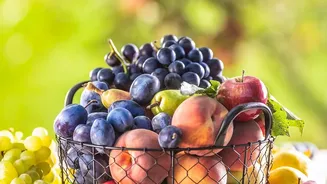
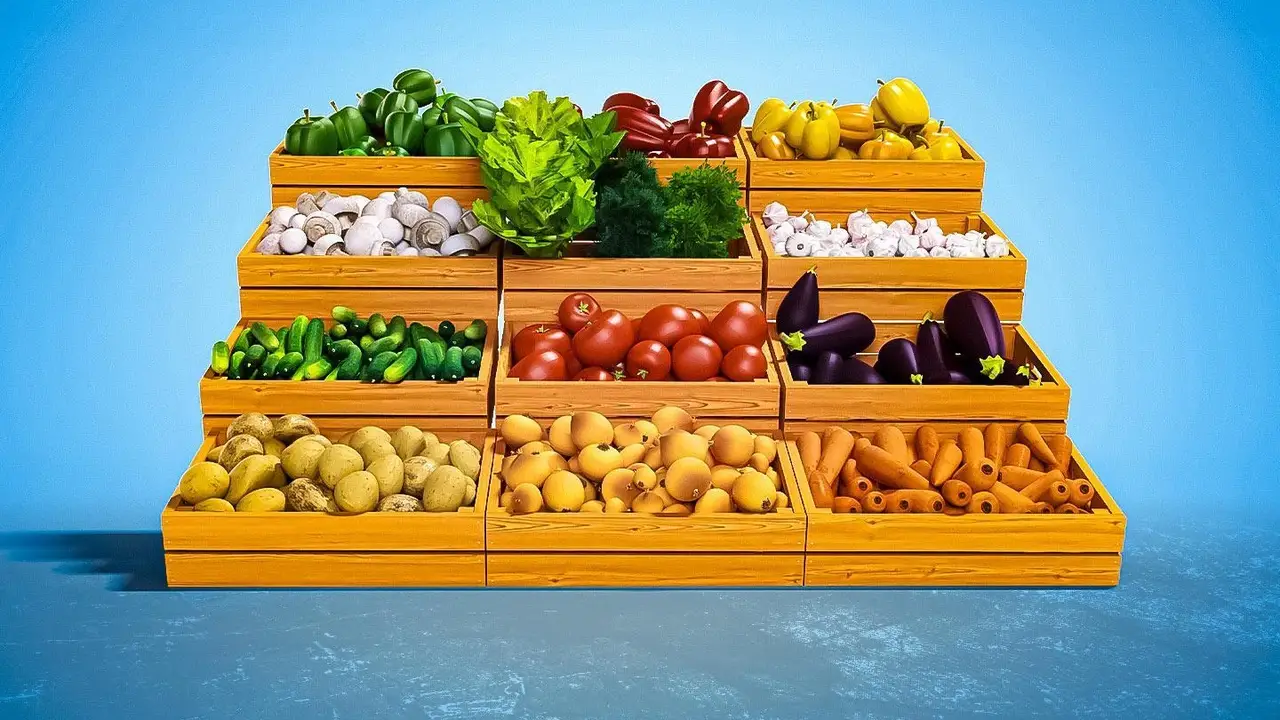
While you should always check locally, here is a general guide to what you might find across India's main seasons. Summer (March-June) is the time for cooling produce like mango, watermelon, muskmelon, cucumber, and various gourds (lauki, bitter gourd). The monsoon season (July-September) brings jamun, plums, peaches, okra, and corn. Autumn (October-November) offers pears, pomegranates, and sweet potatoes. Winter (December-February) is a paradise for leafy greens like spinach and mustard greens, along with root vegetables like carrots and radishes, and citrus fruits like oranges.
Putting Your Calendar Into Practice
Once you have a basic calendar, the fun begins. Use it to plan your weekly meals around what's fresh and abundant. This shift in mindset—from deciding what to eat and then shopping, to seeing what's available and then planning—drastically reduces food waste and sparks creativity in the kitchen. When you find a bumper crop of seasonal produce, like tomatoes in the summer or amla in the winter, consider traditional preservation methods. Pickling, sun-drying, and making jams or murabbas are fantastic ways to enjoy the taste of a season long after it has passed. For a more direct connection, look for Community Supported Agriculture (CSA) programs in your city, which deliver a box of seasonal produce directly from local farms.