



The A-List Invasion
The single biggest driver is the unprecedented influx of global superstars. For decades, seeing a top-tier international artist meant a trip to Singapore, Dubai, or Europe. Now, India is a permanent hotspot on the world tour map. Recent years have seen
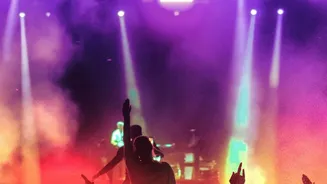
icons like Coldplay, Ed Sheeran, and Green Day not just perform, but stage multi-city tours and massive stadium shows. When Lollapalooza, one of the world's most famous festival brands, launched in India, it signalled a major shift. Its debut drew 60,000 fans, many of whom saw artists like The Strokes and Jackson Wang for the first time on Indian soil. This access has transformed the live music landscape, making once-in-a-lifetime experiences available domestically.
The Rise of the 'Experience Economy'
For a growing number of young Indians, especially Gen Z, spending on experiences trumps buying material goods. Live music is a powerful expression of this trend. According to one survey, 62% of India's Gen Z plan to travel for concerts and festivals in 2026. It’s not just about the three hours an artist is on stage; it's about the entire journey. Fans are turning concerts into mini-vacations, with over half extending their stay to explore the host city. This shift is reshaping travel itself, with cultural events, not long weekends, dictating itineraries. The motivation is clear: 69% of travelling fans do it for the love of the artist and the magic of a live performance.
Festival Culture Takes Root
Multi-day, multi-genre festivals like NH7 Weekender and Ziro Festival have cultivated a dedicated following. These events are destinations in themselves, offering a curated blend of music, art, food, and community. NH7 Weekender, which started in Pune in 2010, now travels to multiple cities, including a celebrated edition in the hills of Meghalaya, turning the location into part of the appeal. Similarly, Northeast India has become a leading music tourism hub, with events like the Ziro Festival seeing a massive year-on-year increase in bookings, often from solo travellers seeking a community experience. These festivals are no longer just a concert; they are a cultural pilgrimage.
The Economic and Social Drivers
This trend has a significant economic footprint. India's live events market is growing at an impressive rate, projected to expand significantly in the coming years. Fans are willing to invest; one report found that young travellers will allocate a substantial portion of their monthly income to a music-led trip. The impact on host cities is immense. The Coldplay shows in Ahmedabad, for instance, generated a massive economic impact, with 86% of the 220,000 attendees travelling from outside the city. This influx boosts hotels, restaurants, and transport. Socially, these events foster connection. For many, a concert is an opportunity to meet friends who live elsewhere or connect with fellow fans, creating a powerful sense of belonging.
Digital FOMO and Domestic Beats
Social media acts as a massive amplifier. The fear of missing out (FOMO) is a real motivator, as timelines fill with ecstatic posts from a sold-out show. But it's not just about international acts. The domestic music scene is also fuelling travel. Arena-packing tours by homegrown superstars like Diljit Dosanjh and Arijit Singh demonstrate that Indian artists command a massive draw, with fans willing to travel across states to see them. This combination of global stars, thriving local scenes, and the social currency of being there has created a perfect storm. Fans are no longer just passive listeners; they are active participants in a vibrant, nationwide music scene.