








The artificial intelligence boom is placing an unprecedented strain on Earth's power grids. Now, SpaceX is championing a radical solution that sounds like science fiction: moving the energy-hungry data centers that power AI into outer space.
The AI Energy Dilemma on Earth
Artificial
intelligence is changing the world, but it comes at a steep environmental cost. The massive data centers required to train and run advanced AI models are incredibly power-hungry, consuming vast amounts of electricity for computation and cooling. Globally, data centers already account for 1.5% to 2% of all electricity consumption, a figure the International Energy Agency projects could double by 2030, driven largely by AI. In some regions, this demand is straining local power grids to their breaking point, leading to multi-year delays for new connections and growing community opposition over resource use. A single high-density AI server rack can consume as much power as dozens of households, and the largest facilities require the output of a small power station, along with millions of litres of water for cooling.
The Space-Based Proposition
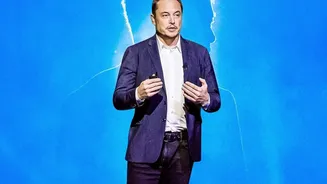
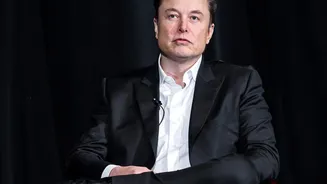
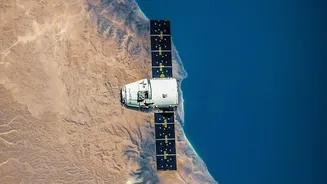
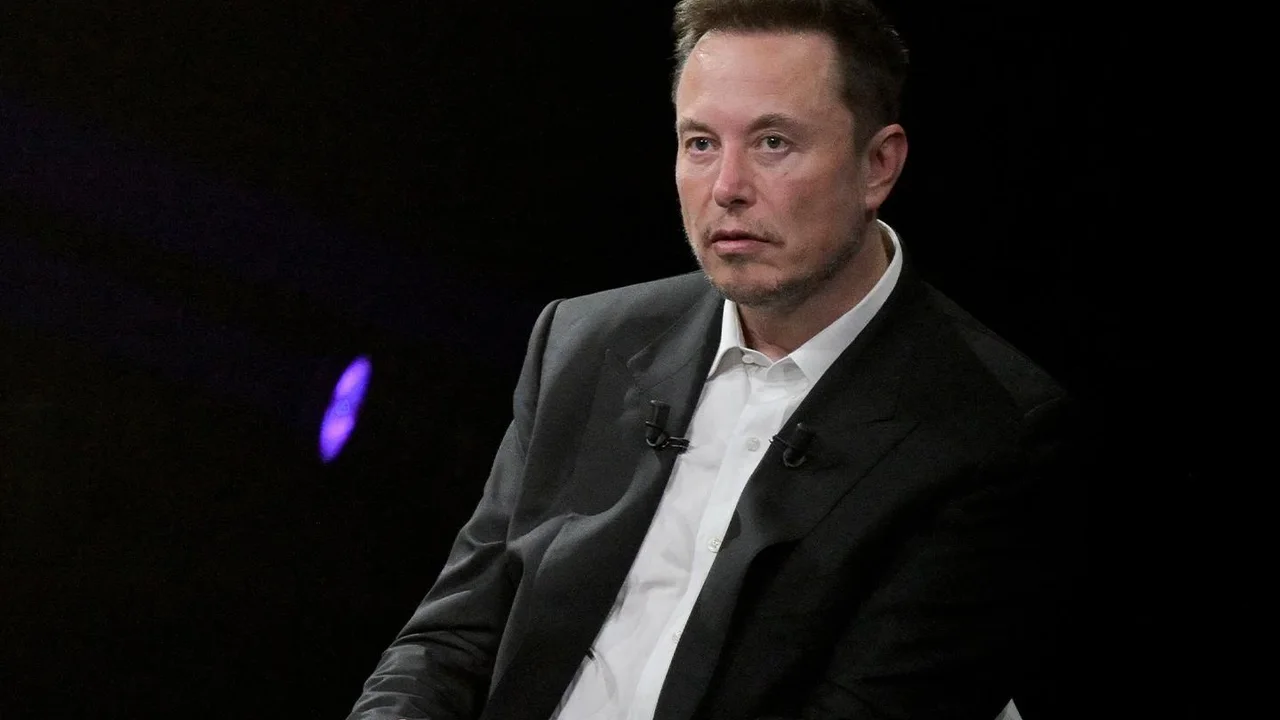
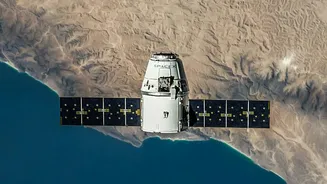
The idea, championed by SpaceX founder Elon Musk, is to bypass these terrestrial constraints entirely. The proposal involves creating orbital data centers—essentially, satellites equipped with powerful computing hardware. Placed in a sun-synchronous orbit, these facilities would have access to nearly continuous, unfiltered sunlight, providing a constant and massive source of solar power. A solar panel in space can generate significantly more energy over a year than an identical one on Earth, which is limited by nighttime, weather, and atmospheric filtering. Furthermore, the frigid vacuum of space offers a solution to the immense cooling problem. Instead of using energy-intensive water chillers and fans, heat would simply radiate away into deep space through large panels.
An Orbiting Industrial Revolution
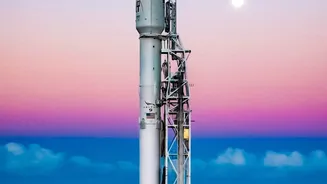
SpaceX's vision is not just for a few experimental satellites but for vast constellations of AI hardware, potentially numbering in the thousands or even more. The company has filed applications for an orbital data center service named 'Starmind' and is building a 'Gigasat Factory' in Texas to mass-produce these AI satellites. According to Musk, this move is essential for the long term scaling of AI compute, which he argues cannot be sustained by Earth's grids. The plan hinges on the success of SpaceX's Starship, a fully reusable heavy-lift rocket designed to dramatically lower the cost of launching mass to orbit. Without a revolution in launch economics, the cost of deploying and maintaining such infrastructure would be prohibitive.
Hurdles, Headwinds, and High Latency
Despite the elegant logic, the technical and economic challenges are enormous. Even with reusable rockets, launching the required mass for a gigawattscale orbital data center would be incredibly expensive—one analysis estimates it would cost over three times more than an equivalent facility on the ground. Maintenance and hardware upgrades, routine on Earth, become monumental challenges in space where physical repairs are impractical or impossible. Components would also need to be hardened against cosmic radiation, which can degrade electronics and cause data errors. Perhaps the most significant obstacle for many applications is latency: the time delay for data to travel from Earth to orbit and back. While this might be acceptable for some AI training tasks, it would render many realtime applications, like financial transactions or interactive AI services, unworkable.
The Starlink Connection
SpaceX has a potential ace up its sleeve to address the data transfer problem: its existing Starlink constellation. The network's highspeed optical laser links, which allow satellites to communicate with each other in orbit, could be used to connect the spacebased data centers and beam the results of their computations back to Earth. This creates a vertically integrated system where the launch vehicle, the data network, and the computing facility are all controlled by the same company. In fact,' recent statements suggest SpaceX is targeting late 2027 for an initial orbital data center test payload,' demonstrating its commitment to turning this ambitious vision into an engineering reality.