





The late-night snack is a classic dilemma. While many fear that eating before bed leads to indigestion and poor sleep, the key isn't if you snack, but what you snack on. The right choices can actually enhance rest and support your digestion.
The Gut-Sleep Connection
Your digestive
system and sleep quality are deeply connected in what researchers call the 'gut-sleep axis'. When you sleep, your body isn't just powering down; it's entering a crucial period of repair and restoration. However, if your digestive system is forced to work overtime breaking down a heavy, processed meal, your body can't fully transition into the deep, restful stages of sleep. Eating large meals or the wrong kinds of food too close to bedtime can lead to discomfort, indigestion, and acid reflux, all of which are notorious for disrupting sleep. Giving your body a two- to three-hour window between your last big meal and bedtime allows digestion to wind down, aligning with your body's natural circadian rhythm.
Why Whole Foods Make a Difference
This is where 'whole foods'—foods that are close to their natural state—come in. Think fruits, vegetables, nuts, and whole grains. Unlike highly processed snacks laden with refined sugars, unhealthy fats, and artificial ingredients, whole foods are generally easier for your body to digest. They provide essential nutrients without forcing your system into overdrive. A small, nutrient-dense snack can satisfy hunger pangs that might otherwise keep you awake, while actively supporting your body's pre-sleep processes. Complex carbohydrates, for instance, can help keep blood sugar levels stable throughout the night, preventing the spikes and crashes from sugary treats that can jolt you awake.
Nutrients That Naturally Promote Sleep
Certain whole foods are packed with compounds that naturally encourage relaxation and sleep. Tryptophan is an essential amino acid your body uses to produce serotonin, a neurotransmitter that promotes relaxation, and melatonin, the hormone that regulates your sleep-wake cycle. While famously found in turkey, tryptophan is also present in oats, bananas, nuts, and seeds. Magnesium, found in abundance in almonds, bananas, and leafy greens, acts as a natural muscle relaxant, helping to calm your nervous system. Pairing a complex carbohydrate with a protein helps make tryptophan more available to the brain, creating an ideal combination for a pre-bedtime snack.
Smart, Sleep-Friendly Snack Ideas
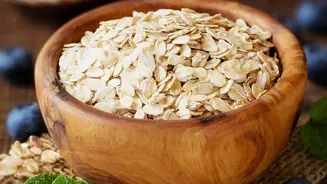
Instead of reaching for a bag of chips or a tub of ice cream, consider these simple, whole food options. A small banana with a spoonful of almond butter provides potassium, magnesium, and tryptophan. A small bowl of oatmeal or another whole grain cereal offers complex carbs that aid in serotonin release. Tart cherries are one of the few natural food sources of melatonin. Other great choices include a handful of walnuts, which also contain melatonin, or a cup of Greek yogurt, which delivers sleep supporting calcium and protein.
Foods to Avoid Before Bed
Just as important as what to eat is what to avoid. Heavy , greasy , or fried foods take a long time to digest and can lead to discomfort and heartburn. Spicy and highly acidic foods can also trigger acid reflux , which is often worse when you 're lying down. Sugary snacks and desserts cause a rapid spike and subsequent crash in blood sugar , which can disrupt sleep cycles hours later. And while it might seem obvious , steer clear of caffeine , which can hide in chocolate and some teas , as well as alcohol . Though alcohol may make you feel drowsy initially , it interferes with the quality of your sleep later in the night.