

A Parade of Planets
The latter half of August is a fantastic time for planet-spotting. Look towards the west after sunset and you'll find the unmistakably bright Venus dominating the early evening sky. As the night deepens, turn your gaze to the east where yellowish Saturn
rises. While it won't reach its peak brightness until its opposition in early October, it's already a magnificent sight and will be visible for most of the night. Towards the early morning hours, reddish Mars makes its appearance, rising in the east around 2 a.m. For the truly dedicated early risers, very bright Jupiter will begin to climb above the eastern horizon shortly before dawn later in the month.
The Summer Triangle and Milky Way
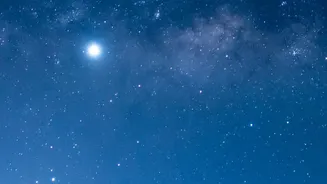
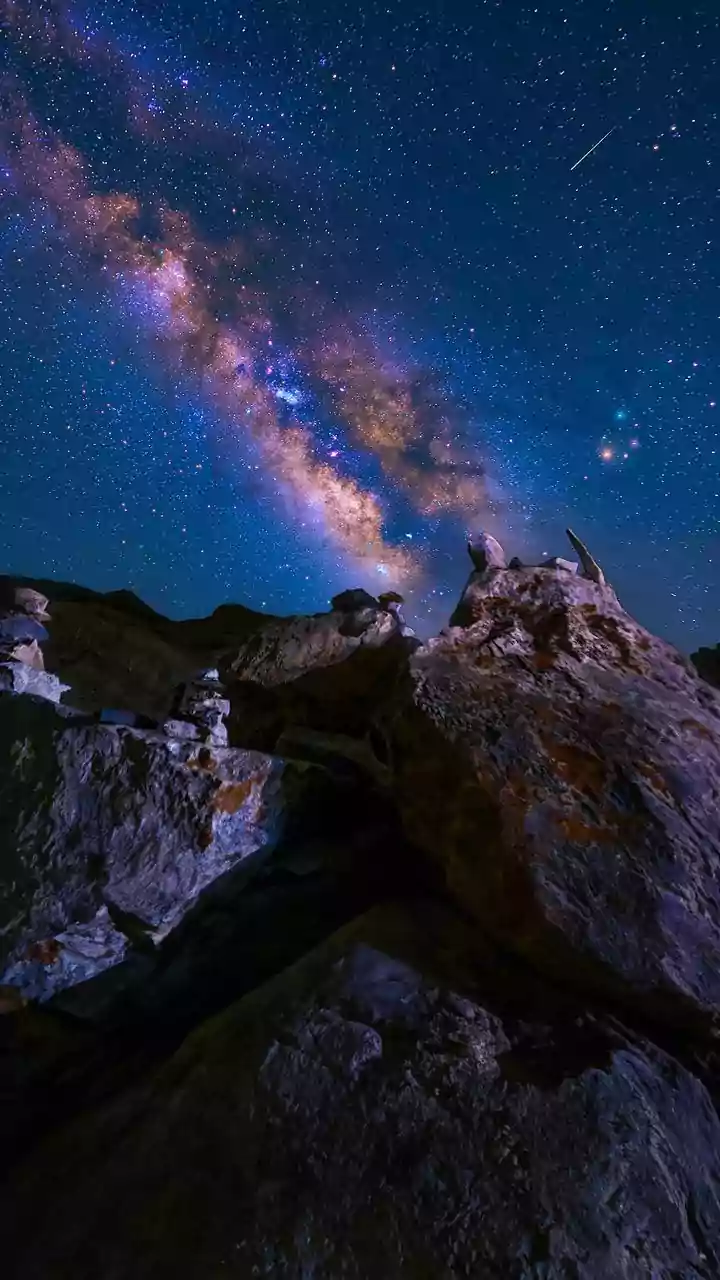
High overhead in the evening sky is one of the most famous asterisms of the season: the Summer Triangle. This giant triangle is not a constellation itself, but is formed by three brilliant stars from three separate constellations. The brightest is Vega in the constellation Lyra (the Harp), followed by Deneb in Cygnus (the Swan), and Altair in Aquila (the Eagle). Once you've found the Summer Triangle, you're in the perfect position to spot the Milky Way. On a clear, moonless night away from city lights, you can see the faint, cloudy band of our home galaxy stretching across the sky, passing right through Cygnus and Aquila and down towards the southern horizon.
Navigating the Moon
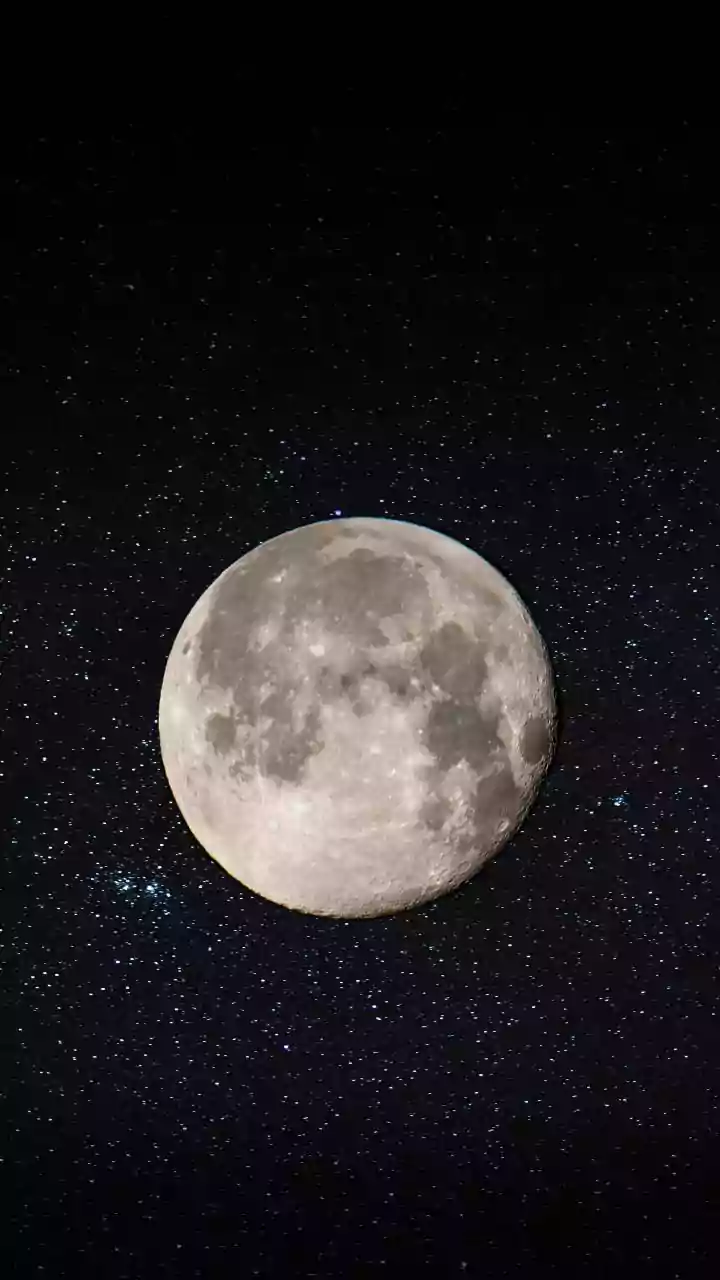
The Moon's phase significantly impacts stargazing. The First Quarter Moon occurs around August 20th, meaning the evenings that follow will have progressively more moonlight as we head towards the Full Moon on August 28th. While a bright Moon can wash out fainter stars and the Milky Way, it offers its own unique viewing opportunities. On the nights leading up to the full phase, the Moon will be a waxing gibbous, an ideal time to observe craters and mountains along the terminator—the line separating the light and dark sides. A special event occurs at the end of the month, from August 28th to 31st, when the bright Full Moon will appear close to Saturn in the sky.
Tips for a Great Night of Stargazing
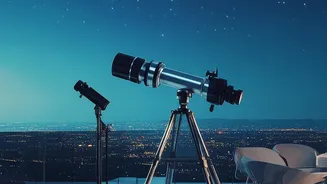
To make the most of your stargazing session, a little preparation goes a long way. First, try to get away from city lights. The darker your location, the more you will see. Give your eyes at least 20 minutes to fully adapt to the darkness; this means avoiding looking at your bright phone screen. If you need a light, use a red-light torch, as it's less disruptive to your night vision. While many celestial sights are visible with the naked eye, a pair of binoculars can dramatically enhance your view, revealing the moons of Jupiter or the countless stars within the Milky Way. Consider using a stargazing app on your phone (in night mode) to help you identify planets and constellations in real time.