






The Great Divide: How They Are Made
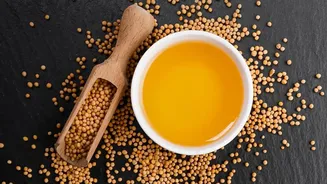
The core difference between cold-pressed and refined oils lies in their extraction process. Cold-pressing, known traditionally in India as 'kachi ghani' or 'chekku', is a mechanical method. Oilseeds like mustard, coconut, or groundnut are simply crushed
under pressure at low temperatures, generally below 49°C. This gentle process ensures the oil that is extracted retains its natural colour, aroma, flavour, and, most importantly, its nutritional profile.Refined oils, on the other hand, undergo an intense industrial process designed for maximum yield and a longer shelf life. This multi-step journey involves high heat (often over 200°C), pressure, and chemical solvents like hexane to pull every last drop of oil from the seeds. Afterwards, the crude oil is 'cleaned' through processes like degumming with acids, neutralizing with alkali solutions, bleaching to remove colour, and deodorizing at high temperatures to create a neutral, clear, and stable final product.
A Nutritional Showdown
The aggressive processing of refined oils comes at a nutritional cost. The high heat and chemical treatments strip away many of the beneficial compounds naturally present in the seeds. This includes a significant portion of vitamins, especially heat-sensitive Vitamin E, as well as natural antioxidants like polyphenols and phytosterols. What's left is often described as a source of 'empty calories'—fat without the accompanying micronutrients.Cold-pressed oils, thanks to their minimal processing, are the clear winners here. They retain a much higher concentration of these valuable nutrients. For example, cold-pressed oils are richer in essential fatty acids, antioxidants that fight cellular damage, and vitamins that support overall wellness. This is why they are often considered a healthier choice for daily consumption, contributing more than just fat to your diet.
The Smoke Point Debate
A common argument for using refined oils in Indian cooking is their high smoke point—the temperature at which an oil starts to burn and break down. While it's true that the refining process generally increases an oil's smoke point, the reality for an Indian kitchen is more nuanced. Many traditional cold-pressed oils have smoke points that are perfectly suitable for everyday cooking. For instance, cold-pressed mustard oil has a high smoke point of around 250°C, making it ideal for sautéing and frying. Similarly, cold-pressed groundnut and coconut oils are staples in many regional cuisines for their stability at cooking temperatures.The key is not to overheat any oil, regardless of its type. Exposing oil to heat beyond its smoke point can create harmful compounds. For most Indian cooking methods like preparing tadkas, sabzis, and light frying, many cold-pressed oils perform exceptionally well without any health risks. For very high-heat deep-frying, a stable oil like groundnut or mustard is a reliable choice.
Flavour and Aroma: The Soul of the Dish
One of the most significant differences you'll notice is in the taste and smell. Refined oils are deliberately made to be neutral and odourless. While this can be useful in baking, it does little for traditional Indian dishes where the oil is often a key flavour component. Think of the pungent kick of mustard oil in a Bengali fish curry, the nutty aroma of sesame oil in a South Indian podi, or the distinct sweetness of coconut oil in a Keralan avial.Cold-pressed oils carry the authentic flavour and aroma of their source seed. This allows them to enhance and complement the spices in a dish, adding a layer of complexity that a neutral oil cannot replicate. Using a cold-pressed oil is a simple way to bring a more traditional and robust taste to your regional specialities.
The Verdict for Your Indian Kitchen
So, which oil should you use? The answer isn't to throw out one for the other, but to choose smartly based on the cooking method and desired outcome. For daily cooking, including tadkas, making sabzis, and preparing dals, cold-pressed oils are nutritionally superior and add authentic flavour. Using cold-pressed mustard oil in the North and East, coconut oil in the South, and groundnut oil in the West aligns with traditional culinary practices.These oils retain the nutrients that are often lost during the refining process, making them a healthier choice for everyday meals. You can reserve refined oils, if you choose to use them at all, for occasional deep-frying that requires prolonged, very high heat. For dressings, marinades, and drizzling over finished dishes, flavourful cold-pressed oils are undoubtedly the best option.