





The Monsoon Gardener’s Dilemma
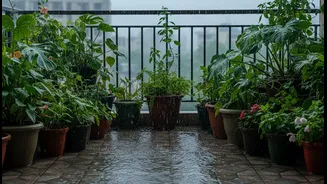
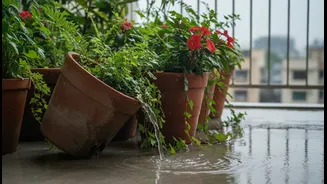
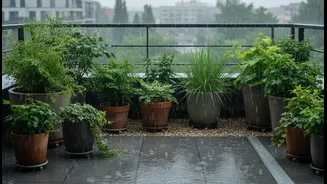
Every plant lover in India knows the challenge. One week, incessant rains threaten to drown your beloved balcony garden, leaving roots waterlogged and prone to rot. The next, a sunny break in the weather can quickly dry out the soil, causing plants to wilt.
This inconsistent watering is a major source of stress for plants, leading to yellowing leaves, fungal diseases, and poor growth. Root rot, caused by soil that is constantly saturated, is one of the most common reasons plants don't survive the rainy season. Finding a middle ground between waterlogged and dehydrated is the key to a thriving monsoon garden.
Enter the Self-Watering Container
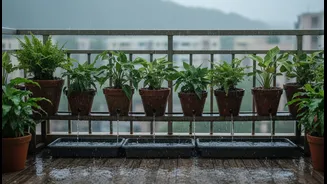
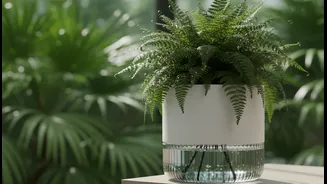
Self-watering containers offer an ingenious and surprisingly simple solution. These pots are designed with a built-in reservoir at the bottom that holds a supply of water. A wicking system, often a piece of absorbent fabric or a porous material, connects the water in the reservoir to the soil in the upper part of the planter. This system works through a natural process called capillary action, where the soil and plant roots draw water upwards only when they need it. This bottom-up approach allows the plant to regulate its own water intake, effectively watering itself.
The Ultimate Defence Against Overwatering
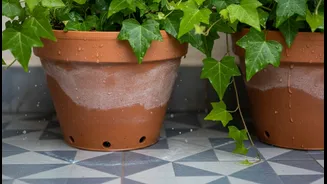
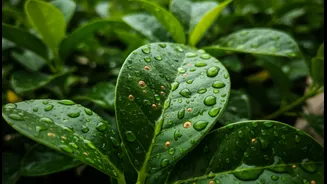
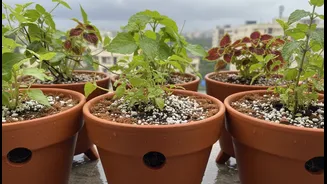
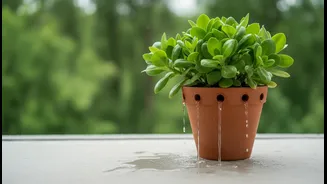
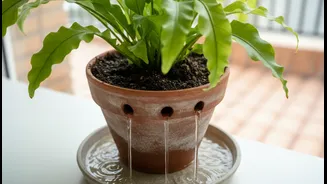
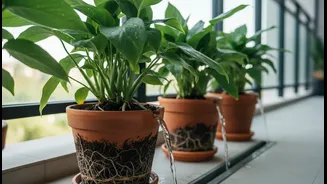
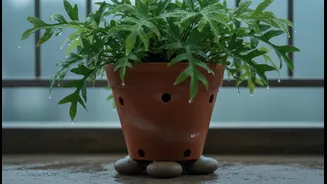
During a heavy monsoon shower, a regular pot can quickly become a swamp. Self-watering planters, however, are designed to prevent this. While the rain will water the soil from above, the reservoir system ensures the roots aren't sitting in a pool of stagnant water. Most good-quality self-watering pots come with an overflow mechanism, like a small hole or spout, that allows excess water from heavy rain to drain away once the reservoir is full. This feature is critical for outdoor use and is the primary reason these pots are so effective during the monsoon. They provide the moisture plants need from the reservoir below while protecting them from the excess falling from the sky.
A Reliable Buffer During Dry Spells
The monsoon isn't just about constant rain; it's often punctuated by days of bright sunshine and high humidity. During these periods, the water reservoir acts as a safety net. It provides a consistent source of moisture to the plant’s roots, preventing the soil from drying out completely. This stability reduces stress on the plant, leading to healthier growth and more resilient foliage. For busy individuals or those who travel, this means less worry about your plants surviving a dry spell between rains. Your plants remain consistently hydrated without daily intervention.
Choosing the Right Plants and Pots
While incredibly useful, these containers work best with plants that prefer consistently moist soil. Tropical foliage plants popular in Indian homes, such as Peace Lilies, Pothos (Money Plant), Spider Plants, Syngonium, and various ferns, thrive in self-watering setups. Herbs like basil and mint also do very well. Plants that require their soil to dry out completely between waterings, such as succulents and cacti, may not be the best candidates, though they can adapt if the reservoir is managed carefully. When choosing a pot, look for one with a clear water-level indicator and an overflow spout, especially if you plan to keep it on a balcony or terrace exposed to rain.