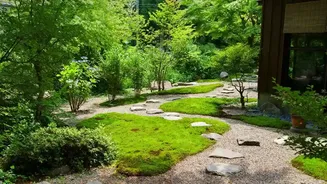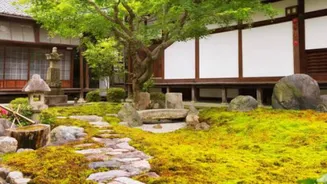




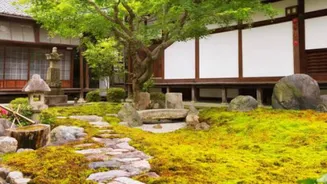
Tired of fighting grass in shady, damp corners of your yard? A lush, velvety moss garden might be the perfect solution. Using shade-loving sheet or cushion moss, you can create a tranquil, low-maintenance green space that thrives where others fail.
Why Choose a Moss Garden?
A moss
garden offers a unique and serene alternative to a traditional lawn. Its benefits are especially clear for areas with poor light. Unlike grass, moss requires no mowing, minimal fertilizing, and is surprisingly drought-tolerant once established. It creates a beautiful, evergreen carpet that provides a sense of tranquility and can help with soil erosion control. Mosses thrive on compacted, acidic soil where grass struggles, turning a problematic patch of ground into a verdant, calming landscape. They also provide habitat for small insects and can improve biodiversity in your garden.
Sheet Moss vs. Cushion Moss
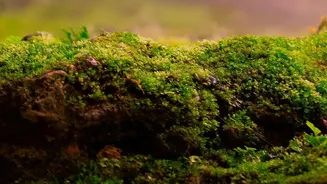
The key to a successful moss garden is choosing the right type for your desired effect. The two most popular choices for shady areas are sheet moss and cushion moss. Sheet moss, such as Hypnum imponens, grows in flat, dense mats that create a uniform, carpet-like appearance. It's excellent for covering large areas and can handle light foot traffic, making it a great choice for paths between stepping stones. Cushion moss, like Leucobryum glaucum, forms distinct, rounded clumps or mounds. These 'cushions' offer a more sculptural, textured look and are perfect for adding visual interest to rock gardens or as accents.
How to Source Your Moss
When starting your garden, it's best to source moss sustainably. While it may be tempting to harvest from a local park or forest, it is often restricted on public lands and can damage delicate ecosystems. The most ethical approach is to purchase live moss from reputable nurseries or online suppliers that cultivate it or rescue it from development sites. These suppliers can also ensure you get the right species for your climate. Alternatively, if you have existing moss patches on your own property, you can transplant them. This is a great option because the moss has already proven it can thrive in your local conditions.
Preparing the Ideal Location
Proper site preparation is the most critical step. First, select a spot with moderate to full shade, as most moss varieties will dry out in direct sun. Clear the area completely of grass, weeds, and other debris. Unlike preparing for a lawn, you don't want loose, aerated soil. Moss prefers a firm, compacted surface, so walk over the area to pack it down. Since moss absorbs nutrients and water through its leaves, soil quality is less important, but it does prefer acidic conditions, generally with a pH between 5.0 and 6.0. Lightly scratching the surface with a rake before planting can help the moss anchor itself.
Planting Your Moss
The best time to plant is in the spring or fall when moisture is plentiful. Before you begin, lightly moisten the cleared soil. Take your moss sheets or clumps and press them firmly onto the prepared ground, ensuring good contact between the moss and the soil. Moss doesn't have true roots but uses thread-like structures called rhizoids to anchor itself. You can break larger pieces into smaller fragments to cover more ground; they will gradually grow and fill in the gaps. If the area is windy, you can use small twigs or landscape netting to hold the pieces in place until they are established.
Watering and Ongoing Care
Once planted, your moss garden requires consistent moisture to get established. Mist or water it lightly a few times a day for the first few weeks. Use filtered or rainwater if possible, as tap water can contain minerals that may harm the moss. After a few months, you can taper off watering. An established moss garden is remarkably resilient and needs little longterm maintenance. The most important task is to keep it clear of falling leaves and debris, which can smother the moss and block light. A little foot traffic is generally fine and can even help propagate the moss by breaking off small fragments that grow into new plants.