


The Art of a Gujarati Morning
A Gujarati breakfast is more than just a meal; it's a celebration of balanced flavors—a little sweet, a little tangy, and perfectly spiced. Unlike many breakfast routines, Gujarati mornings often feature savory steamed cakes and flavorful flatbreads that
are both nourishing and light. The two stars of this morning tradition are undoubtedly Khaman Dhokla, a spongy, steamed chickpea flour cake, and Thepla, a soft, spiced flatbread. While they are distinct dishes, they represent the core philosophy of Gujarati cooking: simple ingredients transformed into something truly special. Mastering these recipes is your first step into a larger world of delicious Indian cuisine.
Mastering Dhokla: The Spongy Delight
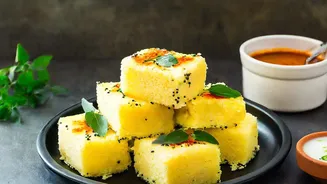
Khaman Dhokla is a bright yellow, fluffy cake made from a batter of gram flour (besan). The key to its signature spongy texture is in the preparation and steaming. To start, create a smooth, lump-free batter by mixing gram flour, a little semolina (sooji), sugar, salt, turmeric, ginger-green chili paste, and water. Let this batter rest for about 10-15 minutes. The magic ingredient for instant dhokla is fruit salt (like Eno), which is added right before steaming. Whisk it in gently until the batter becomes light and foamy, then immediately pour it into a greased steaming pan. Steam on a medium-high flame for 15-20 minutes, or until a knife inserted in the center comes out clean. Don't tap the pan, as this can deflate the delicate structure.
The Crucial 'Tadka' or Tempering
A dhokla is incomplete without its tempering, known as 'tadka' or 'vaghar'. This final touch adds moisture and a burst of flavor that seeps into the porous cake. To prepare it, heat a small amount of oil in a pan and add mustard seeds. Once they begin to crackle, add a slit green chili and a few curry leaves. Then, add a small amount of water and a teaspoon of sugar, bringing it to a quick boil. After the dhokla has cooled slightly and has been cut into squares, pour this aromatic tempering evenly over the top. Garnish with freshly chopped coriander and, optionally, grated coconut for an authentic finish.
Crafting Thepla: The Versatile Flatbread
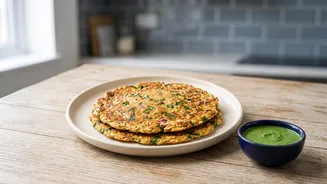
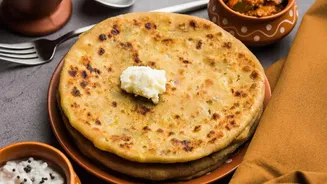
Thepla is a soft, savory flatbread that’s a staple in Gujarati households and a perfect travel companion due to its long shelf life. The most common version is Methi Thepla, made with fresh fenugreek leaves. The dough is the key to a good thepla. Combine whole wheat flour, a smaller amount of gram flour (besan), finely chopped methi leaves, yogurt, turmeric, red chili powder, and salt. Adding yogurt and a bit of oil to the dough is crucial for achieving a soft texture. Knead everything into a smooth, pliable dough using a little water if necessary, then let it rest for at least 20 minutes.
Cooking and Serving Your Thepla
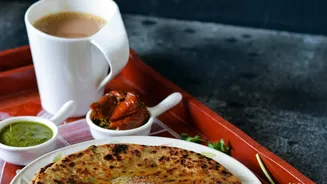
Once the dough has rested, divide it into small, equal-sized balls. Roll each ball out into a thin circle, about 6-7 inches in diameter, using a little dry flour to prevent sticking. Cook the thepla on a hot tawa or griddle over medium heat. Let it cook for about a minute on one side until small bubbles appear, then flip. Lightly press the thepla with a spatula and drizzle a little oil around the edges and on top, flipping again to cook both sides until golden-brown spots appear. Thepla is incredibly versatile and can be served with plain yogurt, a variety of Indian pickles (achaar), or a sweet mango chutney called 'chunda'.
Bringing It All Together for Breakfast
You can choose to make either dhokla or thepla, but for a truly satisfying weekend breakfast, why not make both? The soft, moist dhokla provides a wonderful contrast to the heartier, spiced thepla. Accompany your spread with a cup of hot masala chai, some tangy green coriander chutney, and a side of plain yogurt. This combination creates a beautiful balance of flavors and textures that is both comforting and energizing, setting the perfect tone for the day ahead. This meal isn't just food; it's an experience of warmth and tradition.