






The Enduring Allure of Tea
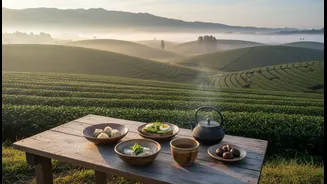
You cannot talk about Jorhat without talking about tea. The city is surrounded by a sea of green, with over 135 tea gardens painting the landscape. This is not just a backdrop; it is an immersive experience. The region's identity as the 'Tea Capital of the World'
is built on estates like the historic Cinnamora Tea Estate, the first of its kind in Assam, established in 1850. Today, tourism is deeply intertwined with this heritage. Travellers can stay in beautifully restored colonial-era tea bungalows, such as Thengal Manor or Banyan Grove, offering a glimpse into the opulent life of planters. These stays go beyond mere accommodation, providing guided walks through the plantations, factory visits to see the tea-making process, and expert-led tasting sessions that teach you to distinguish the nuances of Assam’s famously robust brew. This deep dive into the world of tea provides a connection to the land and its history that is both relaxing and educational.
A Journey Through Assamese Flavours
Jorhat’s culinary scene is a vibrant exploration of traditional Assamese flavours, which are typically mild, fresh, and deeply aromatic. The quintessential experience is the Assamese thali, a platter that offers a complete and balanced meal. Staples include 'Khar', a unique dish made by filtering water through banana peel ash, and 'Masor Tenga', a tangy and light fish curry that is a beloved staple. Another must-try is 'Aloo Pitika', a simple yet flavourful dish of mashed potatoes mixed with raw onions, green chillies, and pungent mustard oil. For the more adventurous, there are dishes featuring local ingredients like bamboo shoots and 'Bhut Jolokia', one of the world's hottest chillies. Restaurants across the city offer these authentic tastes, giving visitors a genuine sense of the local palate. It’s a food journey that is as much about comfort and tradition as it is about flavour.
The Call of the Countryside
The countryside surrounding Jorhat offers a perfect counterbalance to its bustling town centre and structured tea gardens. It serves as a crucial gateway to some of Assam's most cherished natural and cultural landmarks. A short ferry ride from Nimati Ghat takes you to Majuli, the world's largest river island. Majuli is not just a geographical wonder but a spiritual and cultural hub, home to Vaishnavite 'Satras' (monasteries) that preserve centuries-old traditions of art, music, and dance. For wildlife enthusiasts, the Hoollongapar Gibbon Sanctuary is a must-visit. Located just a short drive from the city, it is one of the few places in India where you can see the Hoolock Gibbon, India’s only ape, in its natural habitat. These excursions into the verdant landscape, whether to the serene river island or the dense forest, highlight the rich biodiversity and cultural depth of the region.
A Modern, Authentic Escape
What makes Jorhat's travel identity so strong today is the seamless way these three elements—tea, food, and countryside—are woven together. The city has become a destination for travellers seeking authentic, slower-paced experiences over crowded tourist circuits. It's a place where you can start your day with a walk through a colonial-era tea estate, enjoy a traditional Assamese lunch, and spend your afternoon exploring the unique ecosystem of a river island. This combination offers a holistic view of Assamese life and culture. The rise in interest is also fuelled by a desire for meaningful travel that connects visitors with local communities and heritage. Jorhat's appeal lies in its authenticity; it is a destination that does not feel overly commercialised, offering a genuine slice of Assamese hospitality and charm.