




The End of a Long Wait
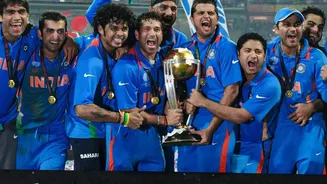
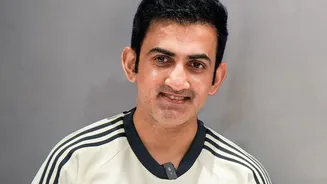
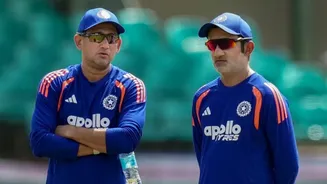
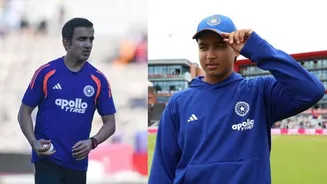
Appointed head coach in July 2024, Gautam Gambhir inherited a team brimming with talent but starved of major international silverware for over a decade. The pressure was immense, yet the results came with staggering speed. First, he guided India to victory
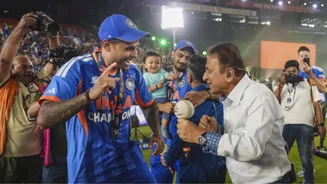
in the 2025 ICC Champions Trophy, the nation's first ICC trophy since 2013. This was quickly followed by a dominant performance in the 2025 Asia Cup. The crowning achievement, however, arrived in early 2026, when India clinched the ICC Men's T20 World Cup, becoming the first team to win the tournament back-to-back. With two ICC titles and an Asia Cup in his cabinet within two years, Gambhir achieved what multiple predecessors could not, instantly validating the BCCI's decision to appoint him.
The Gambhir Doctrine in Action
Gambhir's success is not accidental; it is the product of a clear, aggressive, and often uncompromising philosophy. This was first evident during his mentorship stint with Kolkata Knight Riders, whom he led to a dominant IPL victory in 2024. He brought the same strategic clarity and demand for high-risk, high-reward cricket to the national setup. Reports from his tenure speak of a culture focused on excellence, discipline, and championing every contribution, no matter how small. Under his guidance, India's T20 team, in particular, has played with a fearless brand of cricket, posting record-breaking knockout totals in the 2026 T20 World Cup. This 'Gambhir Doctrine' is built on the same principles he displayed as a player: a fierce will to win and an unshakable belief in aggressive tactics paying dividends on the biggest stage.
A Tale of Two Formats
However, any assessment of Gambhir's tenure must acknowledge the stark contrast between his white-ball triumphs and the team's struggles in Test cricket. While India has become nearly invincible in limited-overs tournaments, its red-ball form has been alarmingly inconsistent. The most significant blemish on his record is the end of India's formidable 12-year unbeaten streak in home Test series. The team suffered historic series losses to New Zealand and South Africa at home, raising questions about whether Gambhir's aggressive approach is suited for the nuances of the five-day game. This dichotomy makes the 'greatest-ever' debate complex; his success in one area is matched by unprecedented struggles in another, creating a legacy that is both brilliant and flawed.
The Verdict on His Legacy
So, is Gambhir already one of India's greatest-ever coaches? If the primary measure of a coach is the ability to win major, multi-nation tournaments, the answer is an emphatic yes. No other Indian coach has delivered two ICC trophies in such a short span. He ended a painful trophy drought and instilled a winning mentality that had been missing in crucial knockout games. His record of never having lost a major final as a player, captain, mentor, or coach speaks volumes about his big-match temperament, a quality he has successfully imparted to the team. While the failures in Test cricket prevent his record from being perfect, they do not erase the monumental achievements in the formats that capture the imagination of a billion fans. For a generation of supporters who grew up seeing India falter at the final hurdle, Gambhir is the man who finally brought the trophies home, cementing his place in Indian cricket history.