




What Exactly Is Galangal?
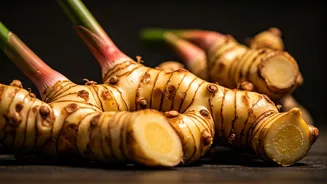
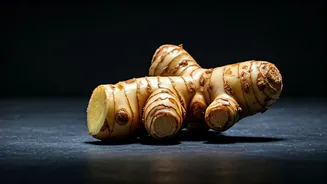
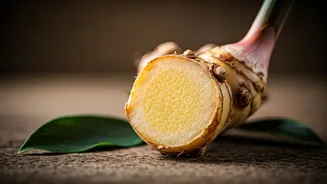
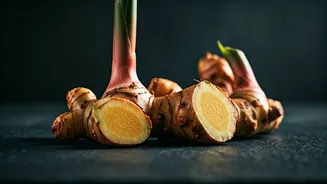
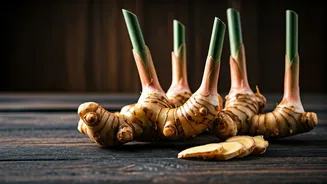
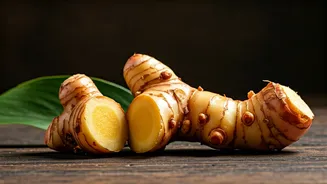
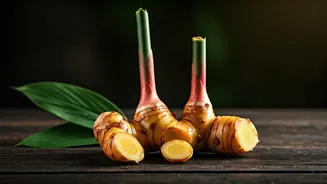
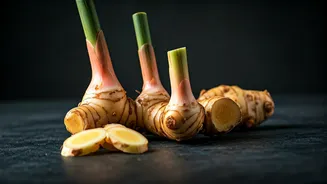
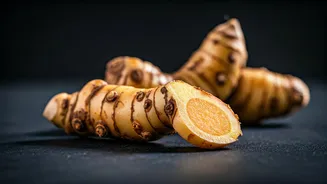
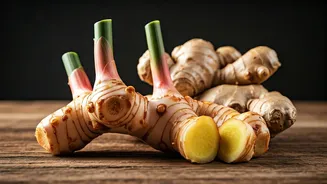
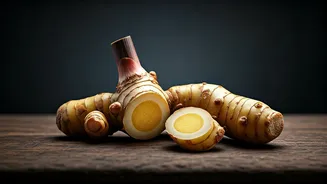
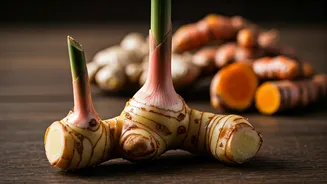
Galangal is a rhizome, or underground stem, from the same family as ginger and turmeric. Often called 'Thai ginger' or 'Siamese ginger', it's a staple in Southeast Asian cuisines, particularly in Thailand, Indonesia, and Malaysia. While it looks similar
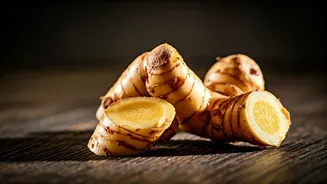
to ginger, galangal is its own distinct ingredient. It typically has paler, smoother skin and a much harder, denser flesh that can range from white to pink. Its unique flavour is key to iconic dishes like Tom Yum soup and countless curries.
The All-Important Flavour: Galangal vs. Ginger
This is the most critical distinction. While ginger is known for its pungent, spicy-sweet warmth, galangal is sharper, with a complex flavour profile that's often described as peppery, earthy, and citrusy, with notes of pine. Think of it this way: ginger provides a warm background heat, while galangal brings a bright, aromatic punch. Because their tastes are so different, they are not ideal substitutes for one another. Using galangal in a recipe that calls for ginger will result in a bolder, more astringent, and less sweet dish.
How to Choose, Store, and Prep Galangal
When buying fresh galangal, look for firm rhizomes with smooth, unblemished skin. It should feel heavy for its size and be free of soft spots or mould. To store it, wrap the unpeeled root loosely in a paper towel and keep it in the refrigerator for up to three weeks. For longer storage, you can peel and slice it, then freeze it in an airtight bag for several months. Preparing galangal requires a bit more effort than ginger due to its tough, woody texture. It's often too hard to grate. Instead, use a sharp knife to peel and thinly slice or mince it. For soups and broths, you can add larger slices to infuse the liquid, then remove them before serving, much like you would a bay leaf or cinnamon stick.
Bringing Galangal into Your Cooking
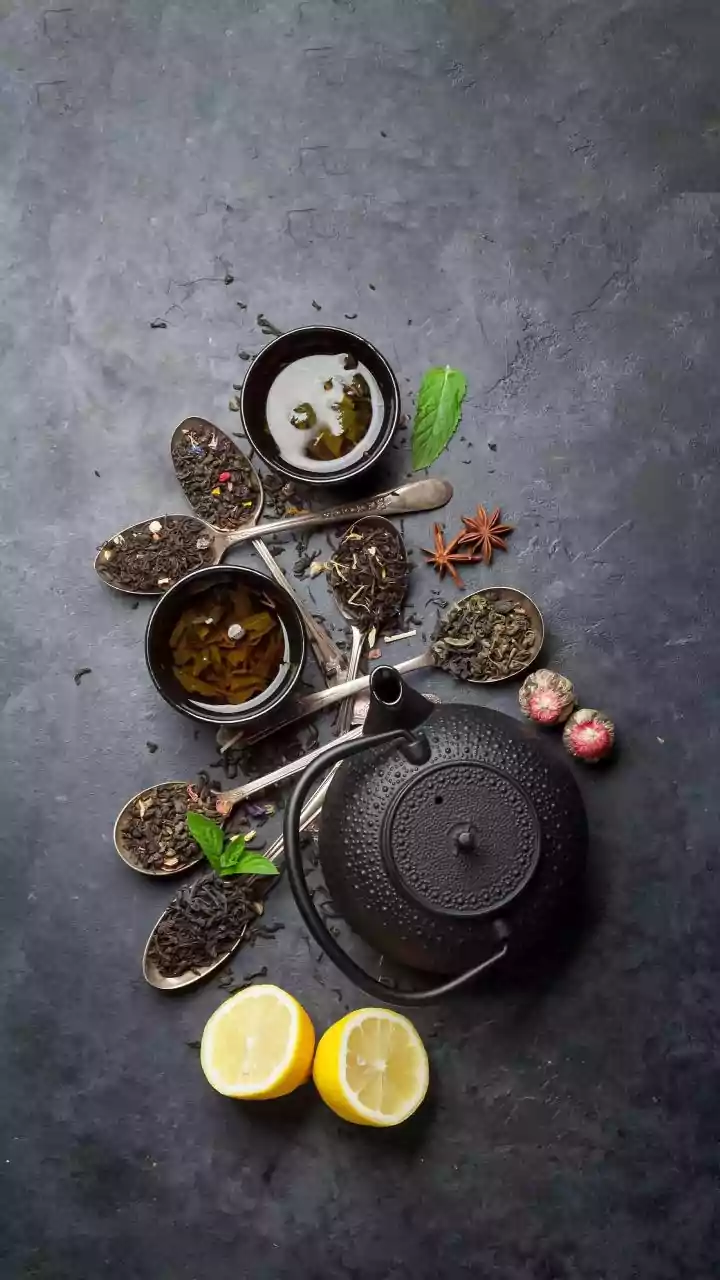
Don't be intimidated! Using galangal is simple. Its piney, peppery notes pair wonderfully with coconut milk, lemongrass, chilli, and lime. Start by adding a few thin slices to your next pot of soup or dal to infuse it with a complex aroma. In Thai and Indonesian cooking, it's a core component of curry pastes, where it is pounded with other aromatics. You can also finely mince it and add it to stir-fries, marinades for chicken or seafood, or even create a refreshing tea. One simple idea is to make a galangal-infused limeade for a zesty, refreshing drink.
More Than Just Flavour
Like its relatives, galangal has a long history in traditional medicine, particularly in Ayurveda and Chinese practices. It's a rich source of antioxidants, which are compounds that help protect your body's cells from damage. It has also been traditionally used for its anti-inflammatory properties and to aid digestion. While modern studies are exploring these benefits, its primary role in your kitchen will be as a versatile and exciting flavour agent that can elevate your cooking to new heights.