





For years, the cellophane-wrapped luxury hamper was the undisputed king of Indian gifting. But a quiet shift is underway. Consumers are now prioritising practicality and personal meaning over generic opulence. What's driving this change?
The Fading Allure of the Generic Hamper
Remember the excitement
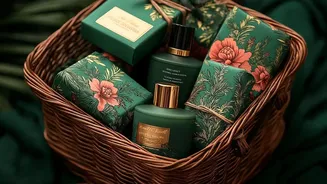
of receiving a giant, beautifully decorated hamper? It signalled celebration and premium status. Inside, however, was often a predictable assortment of imported cookies, exotic-but-unwanted jams, and decorative items destined to gather dust. While the gesture was appreciated, the contents often missed the mark. Today's consumer has become more discerning. The gap between a gift's perceived luxury and its actual utility is wider than ever. People are questioning the value of receiving items they will likely never use, leading to a decline in the appeal of one-size-fits-all hampers that prioritise packaging over purpose. This sentiment is echoed in the corporate world, where generic gift boxes are being replaced by items that reflect a genuine understanding of the recipient.
A Shift Towards Practicality and Purpose
The modern Indian gift-giver is driven by a new mantra: usefulness. This isn't just about being budget-conscious, though economic prudence plays a role. Recent consumer reports show that while festive spending continues, shoppers are more deliberate, paying closer attention to price, quality, and practical value. The consensus is clear: people want to give and receive items that can be seamlessly integrated into daily life. This has sparked a surge in the popularity of high-quality kitchenware, smart tech gadgets, wellness products, and even subscription boxes for coffee or books. The joy is no longer in the momentary extravagance of the unboxing, but in the long-term value the gift provides. A gadget that simplifies a daily task or a skincare set that promotes self-care is seen as a far more thoughtful gesture.
Personalisation is the New Premium
More than ever, gifting in India is becoming an expression of taste and a reflection of the relationship between the giver and receiver. The trend is shifting decisively from 'obligation-led gifting to more personal and deliberate choices'. Instead of a generic box of sweets, people are opting for customised gifts like engraved accessories, photo albums, or items that align with the recipient's specific hobbies and needs. This focus on personalisation is a key driver, with reports indicating a significant growth in demand for gifts that feature a name, message, or unique customisation. It shows that the giver has invested time and thought, which is now considered more valuable than the price tag. A gift that says 'I know you' is more cherished than one that simply says 'I spent money'.
The Rise of the Conscious Consumer
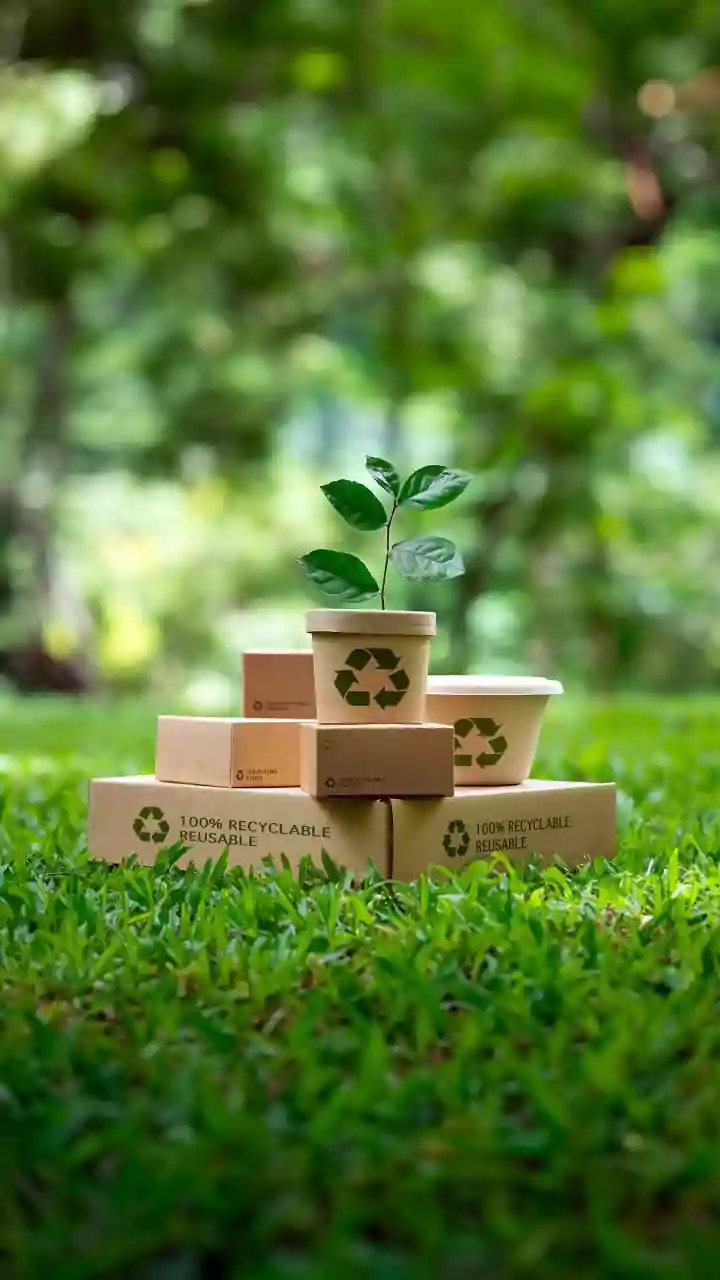
Underpinning this entire shift is the rise of the conscious consumer. There's a growing desire for authenticity and a story behind the product. Many Indians now prefer to support local artisans and small businesses, choosing handcrafted items over mass produced luxury goods. Sustainability has also become a major consideration in gifting choices. Eco friendly gifts, from reusable bottles and tote bags to products with sustainable packaging, are gaining immense popularity in both personal and corporate gifting. Furthermore, health conscious consumers are actively moving away from traditional sweets and snacks, creating a demand for healthier alternatives like gourmet foods, artisanal snacks, and wellness focused hampers. This reflects a broader cultural pivot towards gifts that are not just good to receive, but also good for the individual and the planet.