


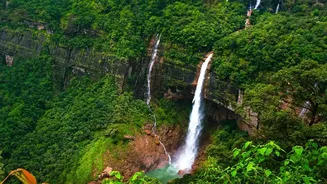

Bhandardara: The Land of Lakes and Legends
Often hailed as the waterfall capital of Maharashtra during the monsoon, Bhandardara becomes a paradise for nature lovers. Located about 185 km from Mumbai and 175 km from Pune, this tranquil hill station is witnessing a surge in visitors eager to see
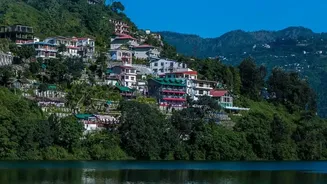
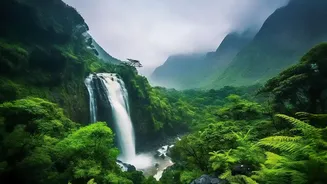
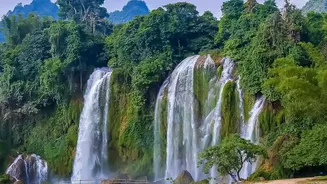
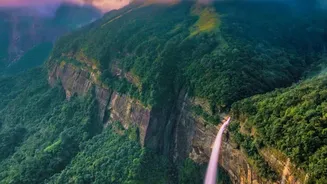
its cascades in full flow. The main attractions are the Randha Falls, which drop an impressive 170 feet, and the seasonal Umbrella Falls, which forms its unique shape when the Wilson Dam overflows. The region, set around the serene Arthur Lake, offers a blend of powerful waterfalls, historic dams, and trekking opportunities, making it a complete monsoon package. The best time to visit is between July and September, when the waterfalls are at their most powerful.
Igatpuri: A Haven of Mist and Cascades
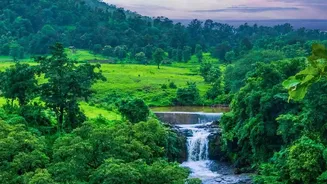
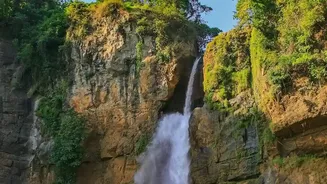
Nestled in the Western Ghats, about 120 km from Mumbai, Igatpuri transforms into a misty wonderland during the rains. The area is gaining popularity for its accessible yet stunning waterfalls. Ashoka Waterfall, in particular, is a major draw, hidden behind lush foliage and requiring a short trek to reach its base pool. Camel Valley, with its five-tiered waterfall visible from the highway, and Vihigaon Waterfall, famous for rappelling, are other key spots attracting adventure seekers and families alike. The combination of dense fog, vibrant greenery, and roaring waterfalls makes the drive to Igatpuri as scenic as the destination itself.
Lonavala and Khandala: The Classic Getaway
The twin hill stations of Lonavala and Khandala remain a perennial favourite for a quick monsoon escape from Mumbai and Pune. These destinations are known for becoming overcrowded on weekends, a testament to their enduring popularity. Bhushi Dam is a highlight, where tourists flock to sit on the steps as the dam overflows, creating a unique waterfall experience. Other popular spots include Tiger's Leap and Kune Falls, which is the 14th highest waterfall in India. Despite the crowds, the ease of access and the sheer number of viewpoints and waterfalls make them a go-to choice for a rainy-day trip.
Malshej Ghat: A Scenic Drive with a Cautionary Note
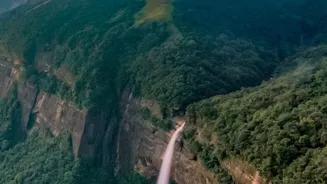
Known for its countless waterfalls that pour onto the road and its mist-laden cliffs, Malshej Ghat is a legendary monsoon drive. It attracts thousands of visitors who come to witness its dramatic landscapes. However, travellers should be aware of recent developments. As of late July 2026, a significant section of the highway (NH-61) through Malshej Ghat has been closed indefinitely due to road subsidence caused by heavy rains, making the area largely inaccessible. Authorities have advised travellers to use alternative routes and consider safer nearby destinations like Bhandardara until the road is declared safe. While trekking in the region is possible with licensed guides, solo travel and stopping near waterfalls are restricted for safety.
Beyond the Famous: Hidden Waterfall Treks
For the more adventurous, the monsoon revival extends to numerous hidden gems that require a trek. Destinations like Devkund Waterfall, a stunning plunge pool near Bhira, and Nanemachi Waterfall, a towering 400-foot cascade near Mahad, are gaining traction among trekking communities. These treks lead through dense forests, river crossings, and offer a more intimate experience with nature, away from the roadside crowds. Many of these trails, such as the one to Devkund, may have restrictions or require permits, so it is essential for trekkers to check local advisories before planning a trip. These offbeat locations represent the true spirit of monsoon exploration in the Sahyadris.