


Why a Simple Box Is a Lifeline
For a stray cat, harsh weather is more than an inconvenience—it's a life-threatening emergency. Prolonged exposure to rain and cold can lead to hypothermia, illness, and immense stress. Kittens and older cats are especially vulnerable. A simple, insulated
shelter provides a dry, warm space where they can rest safely, conserve energy, and escape the elements. It’s not a permanent home, but it’s a critical refuge that can mean the difference between life and death during a brutal storm or a cold winter night. This small act of compassion provides immense relief to the silent, furry neighbours we share our communities with.
Gathering Your Simple Materials
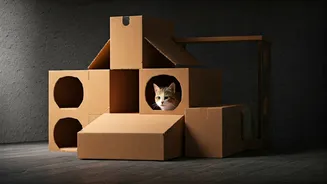
The beauty of this project is its accessibility. You don’t need to be a DIY expert or spend a lot of money. Most of what you need is likely already in your home or easily available for free. Here’s your checklist: - **A sturdy cardboard box:** A medium-sized box from a delivery or a local kirana store is perfect. It should be large enough for a cat to turn around in, but small enough to retain body heat. - **A box cutter or strong scissors:** For cutting the entrance. - **Strong packing tape:** To seal the box and secure the waterproofing. - **Waterproofing:** Thick plastic garbage bags, a plastic tarpaulin sheet, or even old flex banners work well. - **Insulation:** Straw is the best option as it resists moisture. Dry leaves or shredded newspaper can also work. Avoid using blankets, towels, or hay, as they absorb moisture and can make the cat colder once wet.
Step 1: Make It Monsoon-Proof
Water is the biggest enemy of a cardboard shelter. Before you do anything else, you must make it waterproof. First, use your packing tape to seal all the seams and flaps of the cardboard box, creating a solid, enclosed shape. Then, take your plastic garbage bags or tarpaulin and wrap the entire box, much like you’re wrapping a gift. Overlap the plastic to ensure there are no gaps where water can seep in. Use plenty of packing tape to secure the plastic tightly around the box. This outer layer is the most important defence against rain.
Step 2: Create a Safe Entrance
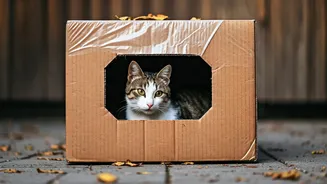
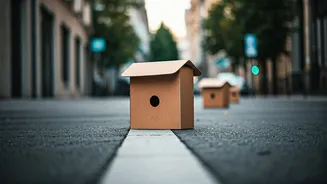
The entrance needs to be just right. Using your box cutter, carefully cut a doorway on one of the shorter sides of the box. The opening should be about 6 inches (15 cm) in diameter—big enough for a cat to fit through, but small enough to keep larger predators out and trap heat inside. It’s also a good idea to cut the entrance several inches above the ground level. This prevents rain from splashing in and flooding the shelter. A simple plastic flap taped over the top of the entrance can provide extra protection from wind and rain.
Step 3: Insulate for Warmth and Comfort
Now for the cozy part. Fill the bottom of the shelter with a generous layer of your chosen insulation. Straw is ideal because it allows cats to burrow in and stay dry. If you can’t find straw, shredded newspaper is the next best choice. Pack it loosely to create air pockets, which help trap heat. Remember, avoid cloth materials like towels or blankets. They get damp, freeze in the cold, and can actually draw heat away from the cat's body. The goal is a dry, warm bed, not a wet, cold one.
Smart Placement Is Everything
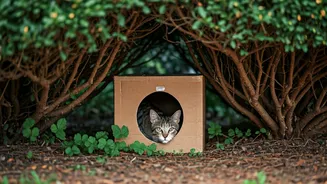
Where you place the shelter is just as important as how you build it. Look for a quiet, hidden, and safe location. Good spots include under a porch, in a secluded corner of a garden, or behind some bushes. The area should be away from heavy foot traffic, stray dogs, and busy roads. To prevent water from seeping up from the ground, place the shelter on a couple of bricks or a wooden pallet to elevate it slightly. Face the entrance away from prevailing winds or towards a wall for added protection. If you have a small community of cats, you can place a few shelters together, leaving some space between them.
Being a Responsible Colony Carer
Providing shelter is a wonderful first step. If you wish to do more, you can place bowls of fresh water and dry food near the shelter, but not inside it. Placing food inside can cause the shelter to become messy and attract unwanted pests. It also forces cats to share a small space while eating, which can lead to fights. Keeping the food and water source a few feet away allows them to use the shelter solely for rest. If you're committed to their long-term well-being, consider contacting a local animal welfare group about Trap-Neuter-Return (TNR) programs to help manage the stray population humanely.