




From Government Monopoly to Private Boom
For decades, the Indian space story was written almost exclusively by the Indian Space Research Organisation (ISRO). But a landmark policy shift in 2020 opened the sector to private participation, transforming the landscape. The establishment of the Indian National
Space Promotion and Authorisation Centre (IN-SPACe) as a single-window agency was a critical catalyst. It was designed to facilitate, authorise, and promote the activities of Non-Government Entities (NGEs) in the space sector. This policy overhaul, combined with a liberalised Foreign Direct Investment (FDI) regime, has unlocked a torrent of entrepreneurial energy and investment. By March 2026, cumulative private investment in the sector had surged to $618.5 million, a nearly six-fold increase from just a few years prior, signalling immense confidence in the commercial potential of space.
Upstream vs. Downstream: Mapping the Ecosystem
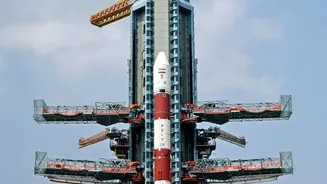
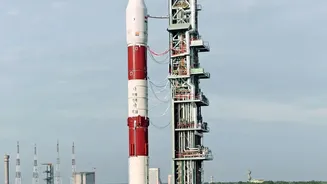
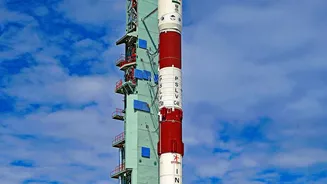
The 440-plus startups aren't all building rockets. The ecosystem is broadly divided into two categories: upstream and downstream. Upstream companies are those building the core infrastructure for space. This includes launch vehicle manufacturers like Skyroot Aerospace and Agnikul Cosmos, which are developing their own rockets to carry satellites into orbit. It also includes companies building the satellites themselves, like Pixxel, and those developing critical components like propulsion systems, such as Bellatrix Aerospace. Downstream companies, on the other hand, focus on leveraging the data and signals from space. This is a rapidly growing segment that turns satellite imagery and data into actionable intelligence. Companies like SatSure, for instance, use satellite data for agriculture and infrastructure monitoring. Other applications include climate monitoring, urban planning, disaster management, and satellite communications.
The Engineering Skills in High Demand
This startup explosion has created a surge in demand for engineering talent, far beyond traditional aerospace roles. While a B.Tech in aerospace, mechanical, or electronics engineering remains a primary entry point, the skills required are becoming increasingly multidisciplinary. Software is at the heart of modern space missions, creating a huge need for aerospace software engineers with strong skills in C++, Python, and embedded systems to work on flight software and autonomous navigation. Satellite data analysts who can apply AI and machine learning to process vast amounts of imagery are also highly sought after. Other key areas include propulsion engineering, avionics, robotics for designing rovers and autonomous systems, and materials science. Companies are increasingly looking for engineers who can bridge the gap between hardware and software—those who understand both the physics of spaceflight and the code that controls it.
Where the Action Is: Hubs and Key Players
While the space ecosystem is spread across India, several cities have emerged as prominent hubs. Bengaluru, often called India's Silicon Valley, is a major centre for space-tech, hosting a high concentration of startups including Pixxel, GalaxEye, and Bellatrix Aerospace. Hyderabad is another key hub, home to Skyroot Aerospace, the first Indian private company to launch a sub-orbital rocket. Chennai is also on the map with Agnikul Cosmos, known for its 3D-printed rocket engines. These startups are not just national players; they are attracting global attention and investment. The success of these pioneers is paving the way for hundreds of other companies, creating a robust network of innovation and opportunity for engineers looking to join this exciting field.
How to Prepare for a Career in Space-Tech
For engineers aspiring to join India's private space race, the path is no longer limited to securing a job at ISRO. The key is to build a multidisciplinary skill set. Focus on developing strong fundamentals in your core engineering discipline while also gaining proficiency in software, data science, and AI/ML. Practical experience is invaluable. Pursue internships, work on personal projects related to rocketry or satellite data, and engage with the community. Following organizations like IN-SPACe and the Indian Space Association (ISpA) can provide insights into industry trends and networking opportunities. The sector values problem-solvers who can adapt quickly and work across different domains. Many startups are now recruiting from adjacent industries and investing in reskilling talent, recognizing that the perfect 'space engineer' can be built.