






Why We Need Robotic Builders
Building anything on the Moon is a monumental challenge. The environment is one of the most hostile imaginable, with no atmosphere, crippling radiation, and temperature swings of over 300 degrees Celsius between sun and shadow. The lunar surface is also
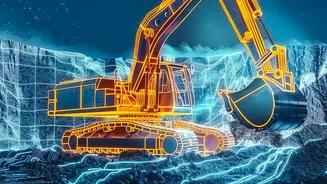
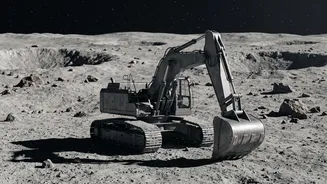
covered in regolith, a fine, abrasive dust that is hazardous to both humans and conventional machinery. Sending human construction crews for these initial, dangerous tasks would be incredibly risky and prohibitively expensive. This is where robots come in. Autonomous systems can work tirelessly in hazardous conditions, methodically preparing sites and constructing infrastructure without the need for life support or the risk to human life, making a sustained lunar presence feasible.
The Blueprint: 3D Printing with Moon Dust
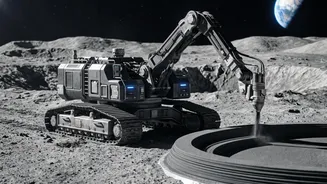
One of the biggest hurdles for off-world construction is the sheer cost of launching materials from Earth. The game-changing solution is a concept called in-situ resource utilization (ISRU), which essentially means living off the land. The primary technology making this possible is large-scale 3D printing. Companies like ICON, under contract with NASA, are developing systems designed to use lunar regolith as the primary building material. The process involves robotic systems that can scoop up the Moon's soil, then use technologies like laser sintering or binding agents to melt or fuse the dust layer-by-layer into solid, durable structures. These 3D-printed habitats would offer superior protection from radiation and micrometeorites compared to inflatable or prefabricated metal structures.
The Cosmic Construction Crew
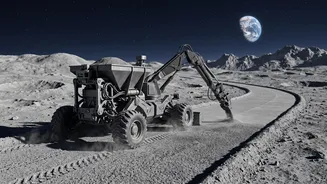
This ambitious undertaking is a global, collaborative effort. NASA is leading the charge with its Artemis program, which aims to establish a long-term human presence on the Moon. A key part of this strategy is the Moon to Mars Planetary Autonomous Construction Technologies (MMPACT) project. NASA has awarded significant contracts, including a nearly $60 million deal with Texas-based construction technology firm ICON, to develop 'Project Olympus', a robotic construction system for the Moon. This initiative aims to have robots build landing pads, habitats, and roads. Beyond NASA, the European Space Agency (ESA) is also exploring robotic construction and 3D printing concepts, while Japanese projects are looking into how fleets of over 100 machines could operate simultaneously. These public-private partnerships are crucial for driving innovation and making lunar construction a reality.
Overcoming Lunar Hurdles
While the vision is clear, the engineering challenges are immense. Autonomous robots must be incredibly robust to survive the extreme temperatures and the abrasive, electrostatically charged lunar dust that can clog mechanisms and obscure sensors. Furthermore, with a signal delay of several seconds between Earth and the Moon, direct real-time control of these machines is impractical. This necessitates a high degree of autonomy, where robots can make their own decisions on-site to complete complex tasks like surveying, grading the terrain, and moving rocks. There is also no GPS on the Moon, so robots will need to use localised navigation systems, such as beacons placed at the worksite, to know their precise location. Researchers are developing sophisticated AI and coordination software to allow fleets of robots to work together seamlessly.
The Road Ahead to a Lunar Base
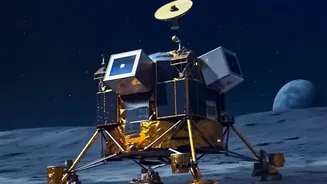
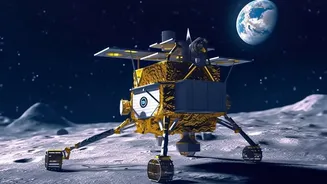
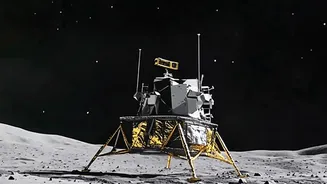
The construction of a Moon base will not happen overnight. It will be a phased approach that begins with robotic groundwork. The first missions will involve rovers surveying potential sites and robots building foundational infrastructure like landing pads to prevent dangerous dust clouds during landings. This will be followed by the construction of radiation shields and, eventually, the 3D printing of the first habitats. NASA's Artemis program timeline, though adjusted to ensure safety and reliability, targets the first crewed landings in this new era for 2028, with the goal of establishing a permanent base camp. Early demonstrations of the technology are already underway, with companies developing the hardware and testing it with simulated lunar regolith here on Earth to refine the process before it's deployed hundreds of thousands of miles away.