





The magic of Indian street food often lies in its condiments, and none is more iconic than the sweet, sour, and tangy tamarind chutney. This guide offers practical tips to master the perfect balance of tamarind and cumin for a flawless finish.
The Soul of the Chutney
Tamarind
chutney, or 'imli ki chutney', is a cornerstone of Indian cuisine, providing a perfect 'chatpata' flavour that elevates everything from samosas to dahi vadas. The two heroes of this story are tamarind and cumin. Tamarind, a tropical fruit, provides the sharp, sour base. Toasted cumin, on the other hand, brings a warm, earthy, and slightly smoky aroma that grounds the chutney's flavour profile. Together, they create a complex condiment that is simultaneously refreshing and deeply flavourful. This pairing isn't just about taste; it's a classic example of flavour balancing, where one ingredient's intensity is mellowed and enhanced by another.
Choosing Your Key Ingredients
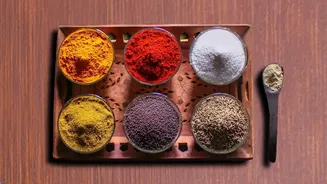
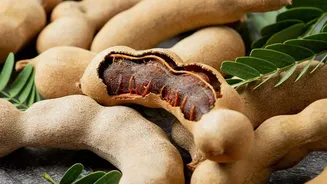
The quality of your chutney starts with your ingredients. For tamarind, you have several options: a block of seedless pulp, a concentrated paste, or whole pods. Blocks of tamarind pulp require soaking in hot water for about 20 minutes to an hour to soften before you can mash and strain out the pulp. This method yields a fresh, vibrant flavour. Concentrated pastes are convenient but can be much more intense, so you may need to adjust the amount used. For cumin, using whole seeds that you toast and grind yourself will always provide a superior, more aromatic flavour than pre-ground powder. Toasting the seeds in a dry pan for a few minutes until fragrant releases their essential oils.
The Art of Balancing Flavours
The key to a truly memorable tamarind chutney is balance. The goal is a harmonious blend of sweet, sour, spicy, and salty. The primary sourness comes from the tamarind. This must be balanced with a sweetener, most traditionally jaggery ('gur'), which lends a deep, molasses-like sweetness. Brown or white sugar can also be used. The ratio of tamarind to sweetener is crucial; a good starting point is often a 1:1 ratio by weight, but you should always taste and adjust. For spice, a touch of red chilli powder adds a gentle heat, while ginger powder ('saunth') provides a subtle warmth. Finally, salt is essential. Many recipes call for both regular salt and black salt ('kala namak'), which has a sulphurous, slightly smoky flavour that is characteristic of chaat dishes.
A Foolproof Method for Tangy Chutney
Once your ingredients are ready, the process is straightforward. First, extract the tamarind pulp by soaking the block in hot water, mashing it well with your hands, and then pressing the mixture through a sieve to remove fibres and any seeds. Next, combine this tamarind pulp in a saucepan with your chosen sweetener (jaggery or sugar) and some water. Bring this mixture to a simmer, stirring until the sweetener dissolves completely. Now it's time to add your spices: roasted cumin powder, red chilli powder, ginger powder, and salts. Let the chutney simmer gently for 10-20 minutes. This cooking time allows the flavours to meld and the chutney to thicken. The longer it simmers, the thicker it will become.
Pro Tips for Texture and Storage
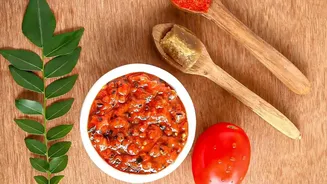
The final consistency of your chutney is a matter of preference. For a thinner, drizzling sauce perfect for chaat, use more water or simmer for a shorter time. For a thicker dip, reduce the chutney for longer. Keep in mind that the chutney will thicken considerably as it cools, so it's best to stop cooking when it's slightly thinner than your desired final consistency. To check, you can cool a small spoonful. If your chutney becomes too thick, you can always thin it with a little water. For a silky-smooth texture, you can blend the cooled chutney. Store your homemade tamarind chutney in a clean, airtight glass jar in the refrigerator. It can last for up to two months, with the flavours continuing to mature over time.