
What Is Transplant Shock?
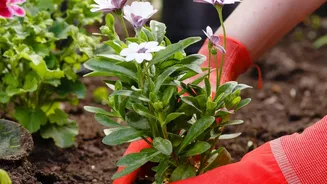
Transplant shock, also known as repotting shock, is the stress a plant endures when moved to a new environment. Symptoms include wilting, yellowing or dropping leaves, and a general lack of growth. This happens because the process, no matter how gentle,
disturbs the plant's delicate root system, which is responsible for absorbing water and nutrients. Any damage or change to the roots can temporarily impair their function, causing the plant to show signs of distress while it tries to acclimate.
The Danger of a Pot That's Too Big
It might seem generous to give your plant a mansion-sized pot, but this is a common and critical mistake. A pot that is too large holds a volume of soil that the plant's current root system can't occupy. This excess, un-rooted soil acts like a sponge, retaining too much water for too long. The soil stays soggy, preventing oxygen from reaching the roots and creating the perfect environment for root rot, a fungal disease that can quickly kill a plant. Instead of encouraging growth, the plant may focus its energy on expanding its root system to fill the space, leading to stalled foliage growth above the soil.
The Goldilocks Rule: Finding 'Just Right'
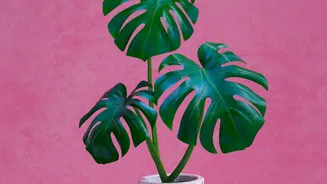
The key to successful repotting is to follow the 'Goldilocks' principle: not too big, not too small. For most indoor plants, the ideal new pot is only about 1 to 2 inches (or 2 to 5 cm) wider in diameter than the previous one. This rule provides enough fresh soil and space for roots to grow without overwhelming them with excess moisture. Before you buy, measure the diameter of your plant's current pot and simply go up one size. For very fast-growing plants like a Monstera, you might go up to 4 inches, but for slow-growers like a Snake Plant, a 1-inch increase is plenty.
Don't Forget About Drainage
Proper pot size goes hand-in-hand with good drainage. A pot without drainage holes is a recipe for disaster, as it traps water at the bottom, leading directly to root rot, regardless of pot size. Always choose a pot with at least one drainage hole. If you fall in love with a decorative pot that lacks one, use it as a 'cachepot' or cover pot. Plant your houseplant in a slightly smaller plastic nursery pot that has drainage, and then place it inside the decorative one. This gives you style without sacrificing your plant's health. After watering, simply discard any excess water that collects in the outer pot.
Best Practices for a Smooth Move
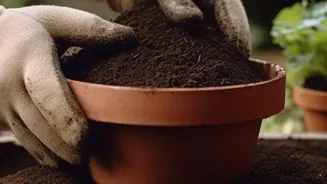
To further minimise the risk of shock, follow a few simple steps. Water your plant thoroughly about a day before you plan to repot; this makes the roots more flexible and helps the root ball hold together. When you remove the plant, be gentle and try not to disturb the roots more than necessary. If the plant is 'root-bound' (with roots circling tightly), you can gently tease the bottom roots apart to encourage them to grow outwards into the new soil. After placing it in the new pot with fresh soil, water it lightly to help the soil settle. Avoid fertilising for at least a month, as the fresh soil has nutrients and fertiliser can stress new roots.