



Why Monsoon Is Tough on Paws
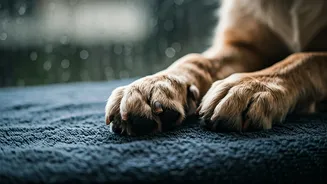
A dog's paws are their connection to the world, but during the monsoon, that connection is fraught with risk. Constant exposure to dampness, muddy puddles, and waterlogged streets can soften their paw pads, making them vulnerable to cuts and abrasions.
More importantly, this persistent moisture creates the perfect breeding ground for bacteria and fungi. [8, 17] The spaces between a dog's toes are warm and enclosed, an ideal microenvironment for yeast and other microbes to multiply, leading to painful infections. [18] Stagnant water can also hide dangers like sharp debris and harmful bacteria, including the kind that causes leptospirosis, a serious illness. [6, 9]
Infections and Irritations to Watch For
One of the most common monsoon-related issues is pododermatitis, an inflammation of the skin on the paws. Symptoms include redness, swelling, and itchiness. You might notice your dog excessively licking or chewing their feet, which is often the first sign of trouble. [17] Fungal infections, particularly from yeast, are also rampant during this season. [19] These can cause a distinct, musty odour, greasy skin, and intense irritation. [19] If left unaddressed, these seemingly minor issues can develop into painful sores and secondary bacterial infections that require veterinary intervention. [22]
The Essential Post-Walk Paw Routine
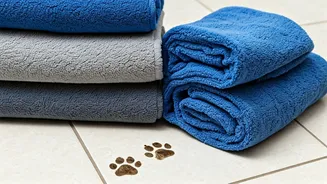
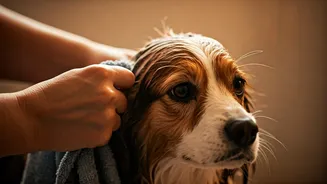
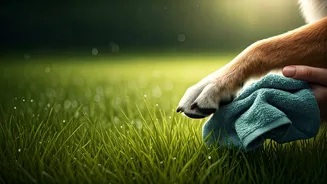
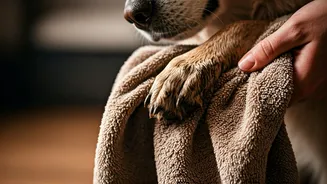
The single most effective habit for preventing paw problems is a consistent cleaning and drying routine after every single walk. [14] This five-minute ritual is non-negotiable. Start by washing your pet's paws with lukewarm water to remove mud and grime. [3] A gentle, pet-safe cleanser can be used, but avoid harsh human soaps. [13] The most critical step is drying. Use a soft, absorbent microfibre towel and make sure to dry thoroughly between each toe and pad. [8, 13] Trapped moisture is the primary enemy. For long-haired breeds, keeping the fur between their paw pads trimmed short can significantly reduce moisture retention and make cleaning easier. [2, 7, 13]
Tools of the Trade for Healthy Paws
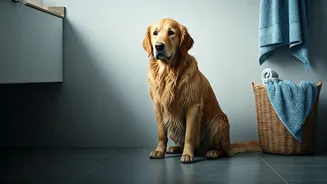
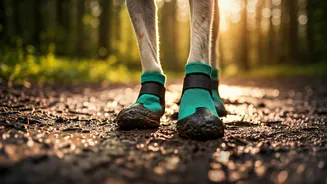
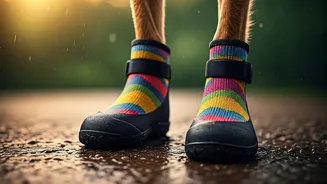
Having a 'post-walk cleanup kit' by your door can make the routine seamless. [9] This should include a dedicated towel, pet-friendly wipes for quick cleanups, and a gentle antiseptic solution recommended by your vet for minor scrapes. [4, 7] Applying a protective paw balm or wax before a walk can create a hydrophobic barrier, offering an extra layer of defence against moisture and irritants. [3, 16] For pets who tolerate them, waterproof booties provide the ultimate protection, keeping paws completely clean and dry. [5, 9]
Beyond the Daily Wipe-Down
Good paw hygiene extends beyond post-walk cleaning. Regularly inspect your pet's paws for any signs of trouble like redness, swelling, cracks, or foreign objects lodged between the pads. [7] Ensure their bedding is kept clean and dry, as damp blankets can become a source of fungal spores. [2, 7] While daily care is crucial, it's also important to know when to seek professional help. If you notice persistent licking, limping, a foul odour, or any sores that aren't healing, it's time to consult your veterinarian for a proper diagnosis and treatment plan. [17]