





A Fundamental Shift in Food Habits
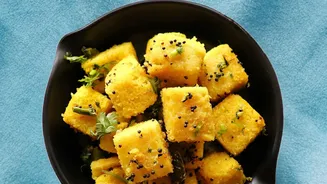
For generations, snacking in India was synonymous with indulgence—think crispy samosas, savoury bhujia, and rich, sweet biscuits. These were treats reserved for special occasions, tea time, or moments of craving. Fast forward to 2026, and the very definition
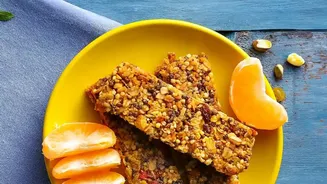
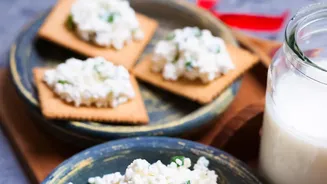
of a snack is changing. It's no longer just a filler between meals but an integral part of daily nutrition. This shift is driven by a growing class of consumers who are actively seeking out food that is both convenient and healthy, transforming what used to be a niche market into a mainstream phenomenon. The healthy snacks market in India is expanding significantly, with projections showing it growing at a compound annual growth rate (CAGR) of between 8% and 10%.
The Post-Pandemic Health Awakening
One of the biggest drivers of this trend is a heightened sense of health consciousness, significantly accelerated by the COVID-19 pandemic. Consumers are more aware of the link between diet and immunity, leading to a greater focus on preventative health. This has fueled demand for snacks that offer functional benefits, such as boosting immunity, providing energy, and supporting digestion. Lifestyle-related health issues have also pushed people to scrutinise their food choices more carefully, moving away from options high in sugar, salt, and unhealthy fats. As a result, consumers are actively looking for snacks that are low-calorie, high-protein, and made with natural ingredients.
Convenience for the Modern Urban Lifestyle
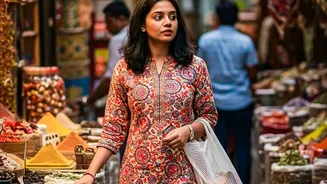
Urbanisation and increasingly busy lifestyles have created a powerful demand for convenient, on-the-go food options. Long commutes and demanding work schedules mean less time for traditional, elaborate meals. For many working professionals, millennials, and Gen Z, snacks have become a solution for quick, healthy fuel throughout the day. This need for convenience is met by a new wave of packaged snacks that are not only healthy but also portable and portion-controlled. Quick commerce and online delivery platforms have further amplified this trend, making it easier than ever for consumers to discover and purchase healthy snacks in minutes.
Meet the New Snack Aisle: Makhana and Millets
Traditional Indian superfoods are being reinvented for the modern palate. Makhana (fox nuts), once a humble fasting food, is now a snacking superstar. Roasted and flavoured with everything from peri-peri to cheese, makhana offers a crunchy, low-calorie, and protein-rich alternative to potato chips. Similarly, ancient grains like millets (jowar, bajra, ragi) are making a major comeback. Driven partly by government initiatives, millets are now found in everything from baked crisps and puffs to cookies and bars, prized for being gluten-free and nutrient-dense. These ingredients are at the forefront of a movement that blends traditional wisdom with contemporary snacking habits.
The Rise of the Label-Conscious Consumer
Today's Indian consumer is more informed and inquisitive than ever before. People are reading ingredient labels carefully, looking for transparency from brands. Vague health claims are no longer enough; shoppers want to see clear information about what's inside the packet. Terms like "preservative-free," "no added sugar," "clean-label," and "high-protein" have become powerful purchase drivers. A recent survey highlighted that a majority of consumers prioritize ingredient transparency when choosing a snack brand. This has paved the way for a surge in Direct-to-Consumer (D2C) brands that build trust through honest marketing and clean, simple ingredient lists.