
The Great Ingredient Avalanche
Your kitchen operates smoothly for 11 months a year, but festival preparations mean buying in bulk. Suddenly, five-kilo bags of atta, sugar, and besan arrive alongside large tins of ghee and oil. Your regular pantry, designed for weekly top-ups, can't
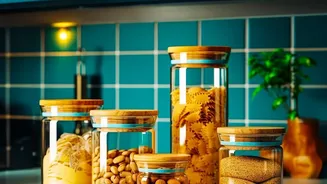
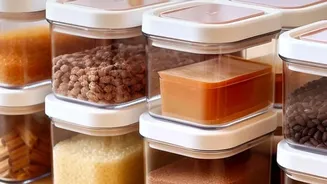
cope. These bags tear easily, spill, and invite pests. This isn't a sign to stop cooking; it's a signal that your bulk storage is inefficient. The solution lies in decanting. Transfer bulk items into large, airtight, and ideally square or rectangular containers the day you buy them. These stack neatly, protect ingredients from moisture and pests, and let you see at a glance what you have, preventing duplicate purchases in the festive rush.
The Spice Drawer Crisis
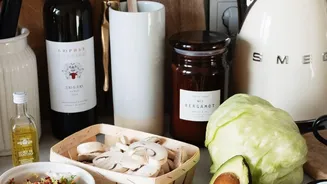
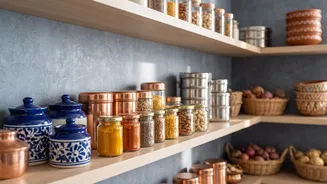
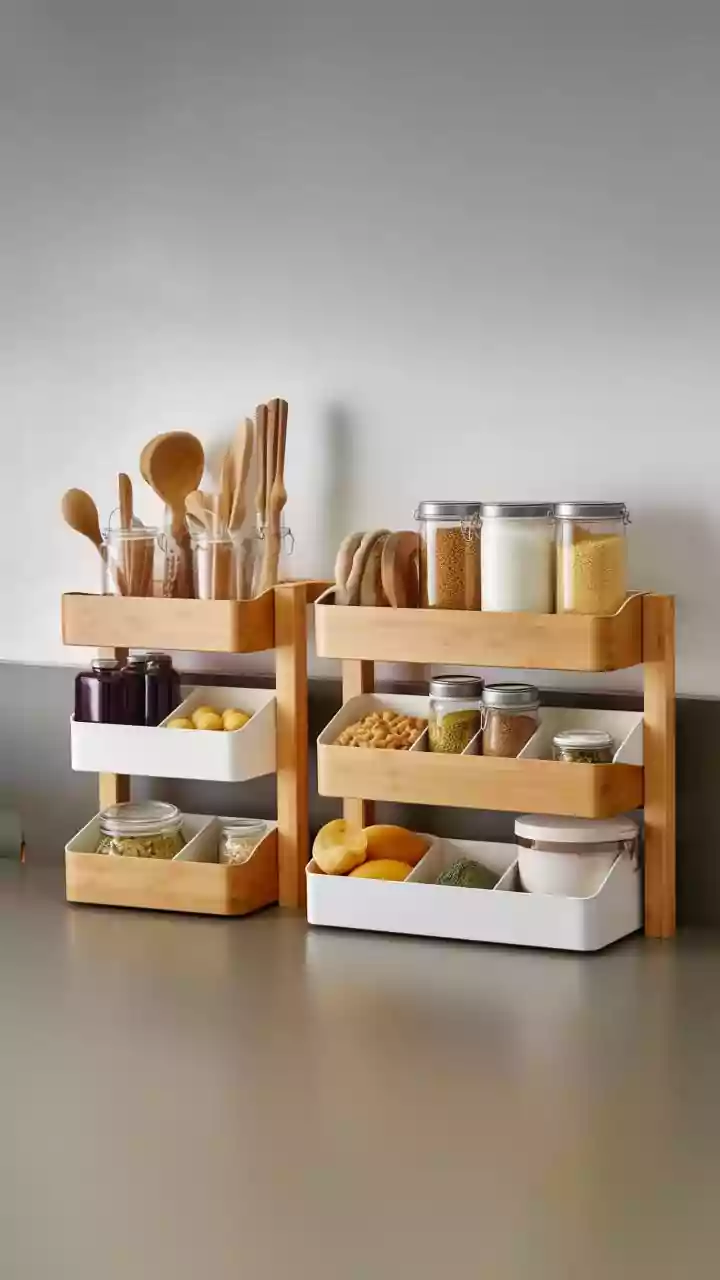
On a normal day, your masala dabba holds the essential spices you need. But festive cooking demands more: cardamom pods for kheer, saffron for biryani, nutmeg for sweets, and a dozen other whole and ground spices that live in mismatched packets at the back of a cabinet. When you're in a hurry, you rummage through them, creating a mess and wasting precious time. This chaos highlights a lack of a proper spice 'system.' A simple fix is to create a tiered spice rack or use a spinning lazy Susan. This makes every bottle visible. For packets, use clips and store them upright in a small basket, labelled for quick identification. It saves you from the frustration of searching for that one elusive spice when your oil is already hot.
The Forgotten Utensil Pile-Up
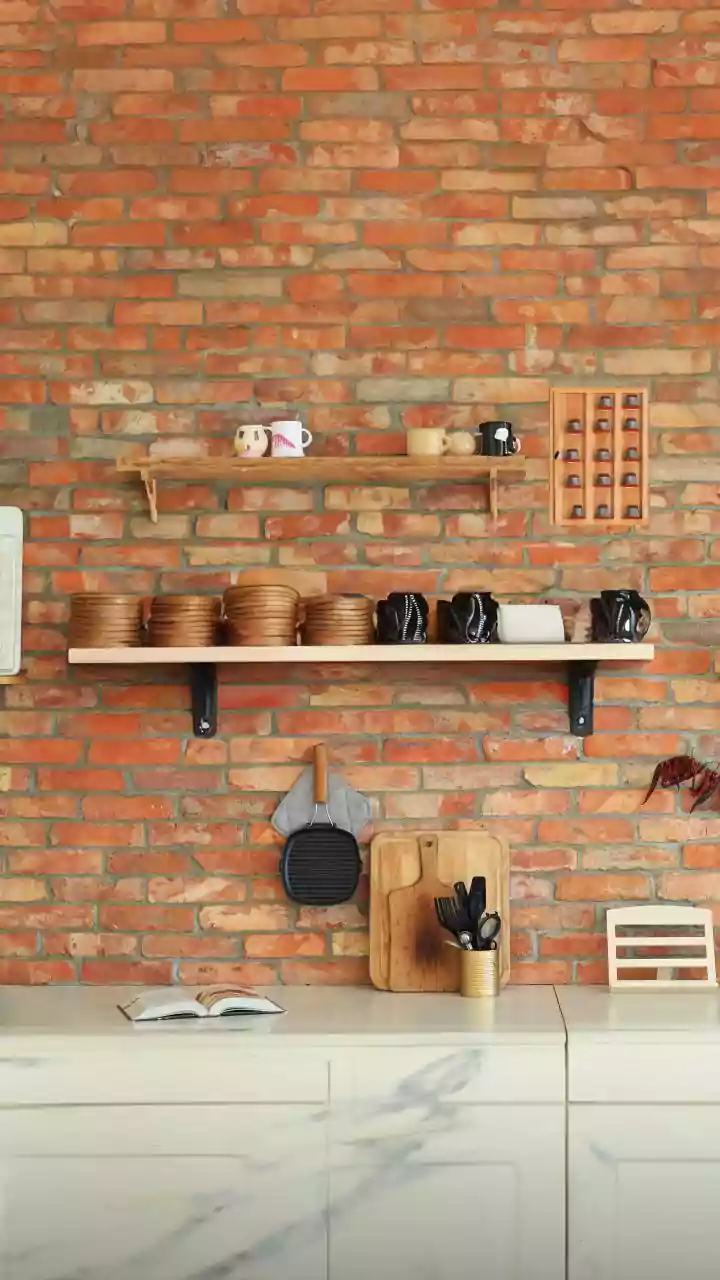
Festive cooking often requires special equipment that sits unused most of the year. The giant kadai for frying batches of gulab jamun, the special moulds for modaks or gujiyas, and the extra-large serving platters for guests suddenly emerge from storage. These bulky, awkwardly shaped items take over precious counter space and create clutter. The problem isn't owning them; it's where they live. The solution is 'zoning'. Your prime kitchen real estate—the easily accessible cabinets and drawers—should only hold daily-use items. Store festival-specific cookware on the highest shelves or in a separate storage area. After the festival, clean and pack them away immediately. This keeps your daily workspace clear and functional.
The Leftover and Gifting Logjam
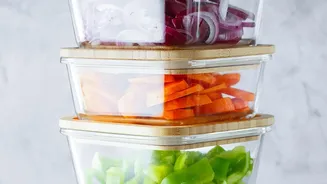
Festivals are as much about sharing as they are about cooking. This results in a two-way traffic of food: leftovers from your own cooking and edible gifts from friends and family. Your fridge quickly fills with containers of all shapes and sizes, many without proper lids. This disarray makes it hard to see what you have, leading to food waste. The festive period exposes a need for a standardized container system. Investing in a set of clear, stackable, and microwave-safe containers is a game-changer. You can easily see the contents, stack them efficiently in the fridge, and reheat them safely. For items you plan to freeze, like pre-made snacks or gravies, label them with the contents and date to avoid mystery meals later.
The Disappearing Workspace
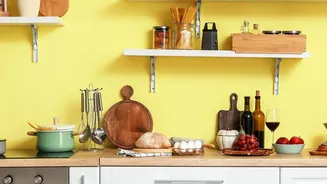
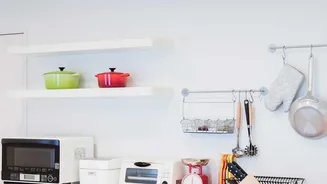
The single biggest problem during heavy cooking sessions is the loss of counter space. Between the ingredient bags, special appliances, mixing bowls, and cooling trays of sweets, the surface you need for chopping and prep work vanishes. This forces you to work in cramped, inefficient ways, increasing stress and the risk of spills or accidents. The festival rush proves that your countertops are likely too cluttered with non-essentials. Before you begin, clear everything off the counters that isn't directly related to the task at hand. Place the toaster, the decorative fruit bowl, and the knife block in a temporary holding spot. Think vertically: use multi-level cooling racks to stack sweets instead of spreading them across the counter. A clear counter is a calm counter.