





From Traditional Staple to Superfood
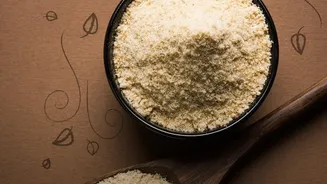
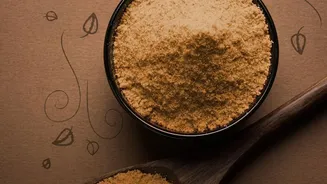
For generations, sattu has been a dietary cornerstone in states like Bihar, Uttar Pradesh, and Jharkhand. Made from roasted Bengal gram (chana), it's a minimally processed flour known for its nutty flavour and impressive shelf life. Traditionally, it was
the go-to fuel for farmers and labourers, providing sustained energy for long days of physical work. Often consumed as a simple, cooling drink called sharbat, especially during harsh summers, it provided hydration and vital nutrients. Now, this very same ingredient is moving from rural kitchens to urban gym bags, championed by a new generation that values clean, plant-based nutrition.
The Nutritional Powerhouse Explained
The modern appeal of sattu lies in its powerful nutritional profile. A 100-gram serving packs approximately 20-25 grams of high-quality plant-based protein, crucial for muscle repair and growth. But unlike many refined protein supplements, sattu is a whole food. This means it also delivers a wealth of other nutrients. It's exceptionally rich in dietary fibre, which aids digestion, promotes gut health, and keeps you feeling full for longer, helping with weight management. Furthermore, it’s loaded with essential minerals like iron to combat fatigue, magnesium for muscle function, and calcium for bone health.
The Perfect Fuel for Fitness Goals
For fitness enthusiasts, sattu’s benefits align perfectly with common training goals. Its combination of protein and complex carbohydrates provides a slow, sustained release of energy, making it an excellent pre-workout meal to prevent energy crashes. Post-workout, the protein aids in repairing the micro-tears in muscle tissue caused by exercise, which can reduce soreness and speed up recovery. Sattu also has a low glycemic index, which helps in regulating blood sugar levels and avoiding the sharp spikes associated with sugary energy drinks. This makes it an ideal component for anyone looking to build lean muscle, manage weight, or simply fuel their active lifestyle more naturally.
Sattu vs. Whey: A Different Approach
While whey protein is a popular, fast-absorbing supplement designed for rapid muscle recovery, sattu offers a more holistic nutritional package. Whey isolates are highly concentrated in protein but often lack the fibre and micronutrients found in whole foods. Sattu, on the other hand, provides protein alongside fibre, complex carbs, and minerals that support overall health, from digestion to energy metabolism. It's also significantly more affordable and a great option for those who are lactose intolerant or prefer a plant-based diet. The choice isn't about one being superior; it's about the goal. For pure, fast-acting protein synthesis, whey has an edge. For balanced, everyday nourishment and sustained energy, sattu is an unbeatable contender.
How to Use Sattu in Your Modern Diet
Integrating sattu into a fitness regimen is incredibly easy and versatile. The traditional sharbat—mixing a few tablespoons of sattu with water, lemon juice, and a pinch of black salt—makes for a refreshing and hydrating post-workout drink. For a more substantial option, blend sattu with milk or a plant-based alternative, a banana, and a touch of honey to create a creamy protein smoothie. It can also be used to make nutrient-dense foods like protein ladoos, cheelas (savoury pancakes), or even mixed into your regular atta to make high-protein rotis. These simple additions can significantly boost the nutritional value of your daily meals without relying on expensive or highly processed products.