
The Month's Main Event: The Perseid Meteor Shower
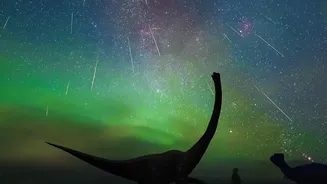
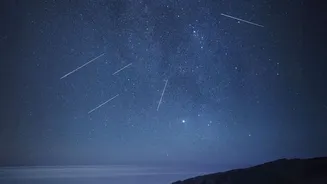
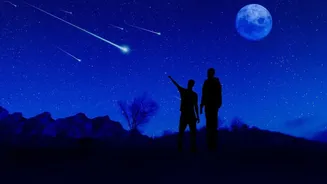
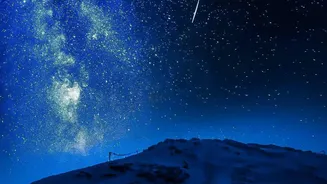
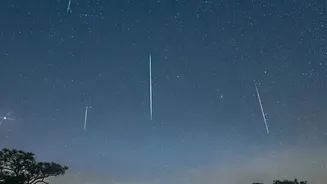
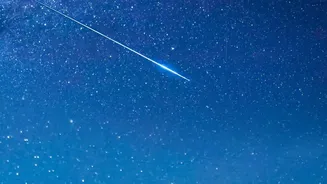
The undisputed highlight of August is the annual Perseid meteor shower, and this year’s performance promises to be exceptional. The shower will peak on the nights of August 12 and 13, offering the potential to see dozens of meteors per hour. What makes
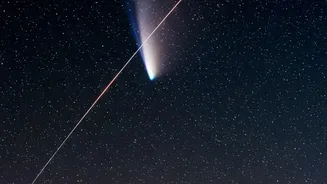
2026 special is that the peak coincides with a new moon, meaning the skies will be perfectly dark and free of moonlight, making even faint meteors visible. The Perseids are tiny particles of dust and debris left behind by Comet Swift-Tuttle, which burn up as they enter Earth’s atmosphere, creating brilliant streaks of light. For viewers in India, the best time to watch will be in the pre-dawn hours, roughly between 2:00 AM and 4:30 AM IST on the mornings of August 12 and 13. To see the show, find a spot away from city lights, let your eyes adjust to the darkness for about 20 minutes, and look towards the northeast. While the monsoon season can bring frustrating clouds, checking your local weather forecast for a clear window will be key. For those truly dedicated, areas with clearer skies during this season, like Ladakh or the Rann of Kutch, offer the best chances for an unforgettable view.
Finding Saturn in a Crowded Sky
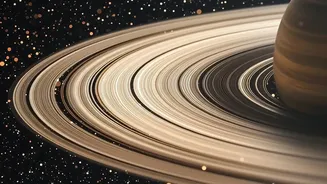
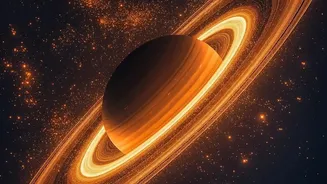
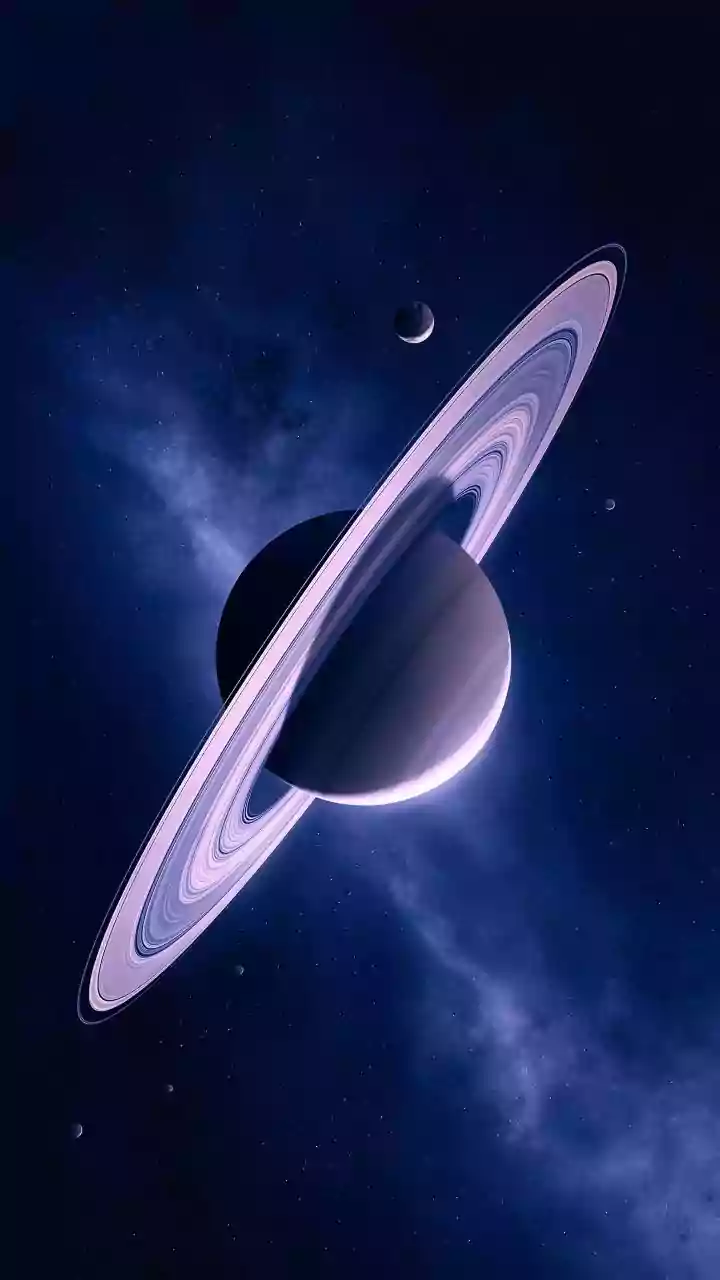
While Saturn's biggest moment of the year, its opposition, isn't until October, August is a fantastic time to get acquainted with the ringed planet. It will be a prominent fixture in the pre-dawn sky all month long as part of a spectacular planetary alignment. So, how do you spot it? Look for a bright, steady point of light that shines with a pale yellowish hue. Unlike stars, which twinkle due to atmospheric turbulence, planets like Saturn emit a constant, unwavering glow. Throughout August, you can find it in the constellation Pisces. To the naked eye, it will appear as a very bright star. If you have a pair of binoculars, you might be able to discern that it is not perfectly round, a subtle hint of its famous rings. A small telescope is all it takes to transform that point of light into a breathtaking view of the planet and its iconic ring system, a truly unforgettable sight. As the month progresses, Saturn will begin to rise earlier, making it increasingly visible in the late evening.
A Pre-Dawn Parade of Planets
One of the most remarkable celestial events this month is a grand alignment of six planets, visible in the hours before sunrise. Spanning across the sky, you will have the chance to see Mercury, Mars, Jupiter, Saturn, Uranus, and Neptune all at once. Mars and Saturn will be the easiest to spot with the naked eye, appearing as bright, star-like objects. Jupiter and Mercury will also be present, but they will be very low on the eastern horizon and potentially tricky to see in the gathering morning twilight, requiring a clear view. The two distant ice giants, Uranus and Neptune, are too faint to be seen with the naked eye, so you will need a good pair of binoculars or a telescope to hunt them down. This planetary parade offers a beautiful visual representation of our solar system's layout, as the planets trace a line across the sky known as the ecliptic plane.
An Evening Star and Distant Eclipses
If early mornings aren't for you, there's still plenty to see after sunset. The planet Venus will put on a dazzling display throughout August, shining brilliantly in the western sky shortly after the sun goes down. It will be unmistakably bright, earning its title as the “Evening Star.” August also features two eclipses, though unfortunately, they won't be visible from India. A total solar eclipse will sweep across parts of Europe on August 12, and a deep partial lunar eclipse will be visible from the Americas, Europe, and Africa on August 27-28. While we won't see them directly, they are a powerful reminder of the incredible cosmic events happening all around us.