







Understanding the Source of the Smell
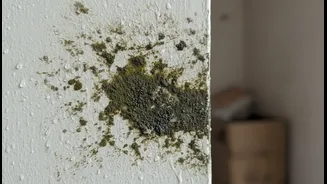
That distinct monsoon smell is primarily caused by a spike in humidity. When moisture in the air gets trapped indoors, it creates the perfect breeding ground for mould and mildew, which are types of fungi. These organisms thrive in damp, poorly ventilated
spaces like closets, bathrooms, and behind furniture. They release microbial volatile organic compounds (MVOCs) as they grow, producing the characteristic earthy, musty odour. Simply using air fresheners, candles, or incense only masks these smells temporarily without addressing the underlying issue. To truly get rid of the odour, you must tackle the moisture and the resulting fungal growth.
Win the War in Your Wardrobe
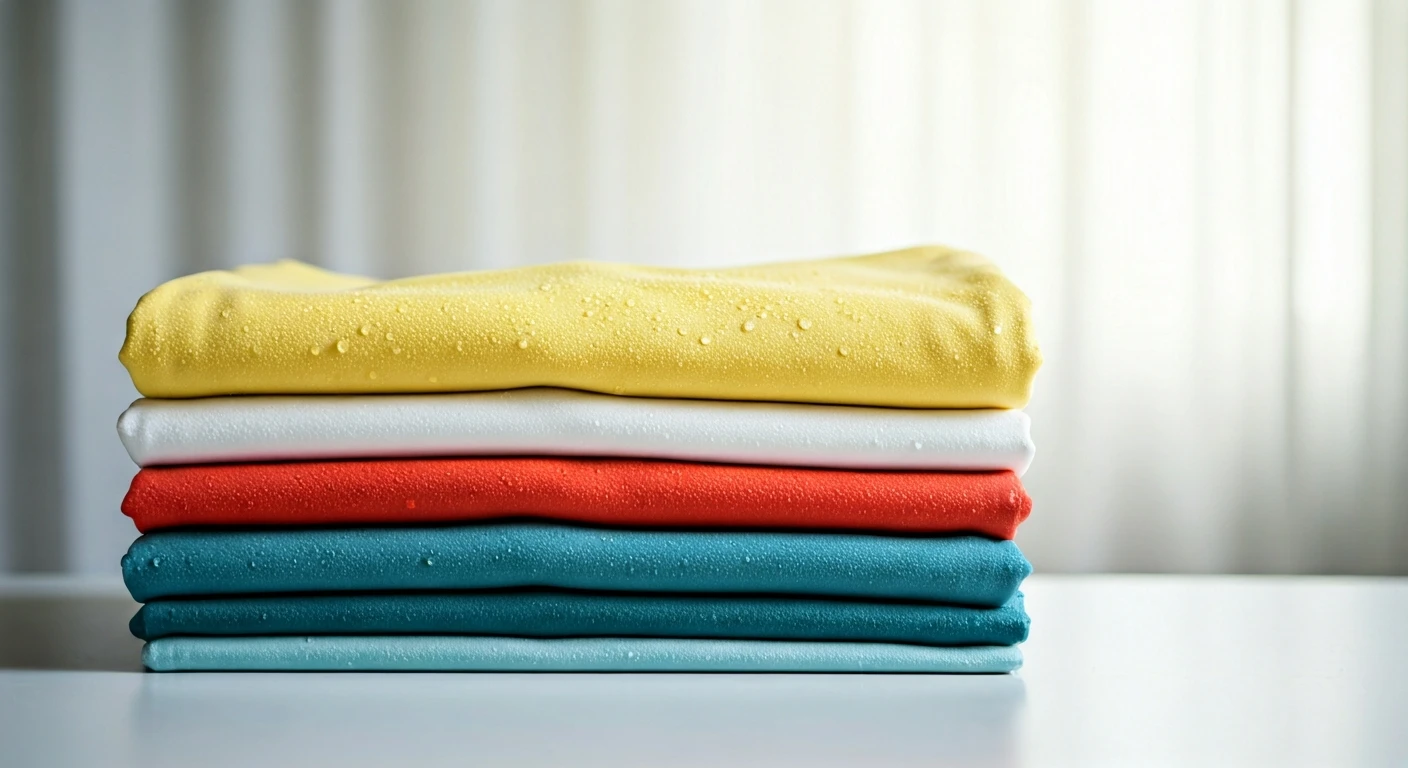
Wardrobes are often the epicentre of musty smells. Clothes take longer to dry during the monsoon, and even slightly damp garments can make an entire cupboard smell stale. The first rule is to ensure every piece of clothing is bone dry before storing it. To combat humidity inside, place natural moisture absorbers in corners. Small bowls of rock salt, activated charcoal, or even chalk can effectively soak up dampness. Traditional Indian remedies are excellent here: tucking a few camphor balls or small pouches of dried neem leaves into drawers not only absorbs moisture and repels insects but also imparts a fresh scent. Also, remember to open your wardrobe doors for a few hours whenever the sun is out to encourage air circulation.
Attack Damp Walls and Furniture
Wooden furniture and walls are porous and readily absorb airborne moisture, which can lead to both odours and mould growth. Regularly inspect walls, especially in corners and behind large furniture, for any signs of dampness or dark spots. To clean mildew from walls, a simple spray solution of equal parts white vinegar and water is effective. Let it sit before wiping the surface clean. Keep furniture slightly away from walls to improve airflow and prevent moisture from getting trapped. Wipe down wooden surfaces with a dry cloth frequently. If you have persistent dampness, investing in a dehumidifier can be a game-changer, as it actively pulls excess moisture from the air.
Deodorise Carpets and Footwear
Carpets, rugs, and shoes are notorious for trapping moisture and smells. If possible, it's best to roll up and store thick carpets during the peak rainy season. For those you keep, sprinkle a generous amount of baking soda over the surface, let it sit for at least 30 minutes to absorb odours, and then vacuum it thoroughly. This trick also works wonders for mattresses. Wet shoes should be dried completely before being put away. Stuff them with old newspaper, which helps absorb moisture from the inside. For persistent shoe odour, place them in a bag and sprinkle with baking soda overnight. You can also place activated charcoal sachets inside shoes when not in use.
Freshen the Air, the Right Way
Instead of reaching for chemical-laden air fresheners, opt for natural solutions that neutralise odours. Placing open bowls of white vinegar or ground coffee in a room can absorb musty smells. Simmering a pot of water with lemon peels, cloves, and a cinnamon stick will release a pleasant, clean fragrance throughout your home. Essential oil diffusers are another great option; oils like eucalyptus, tea tree, and lemongrass not only smell fresh but also have natural anti-fungal properties that can help purify the air. These methods work by eliminating odour-causing particles rather than just covering them with a stronger scent.