




The Soul of a Telugu Meal
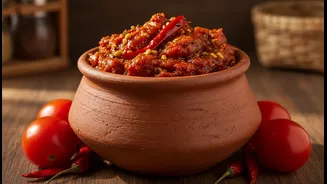
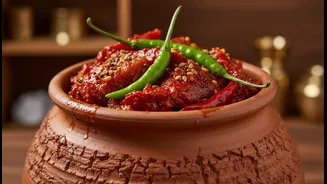
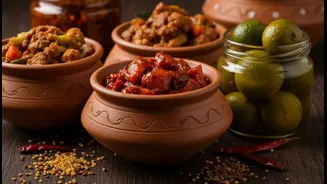
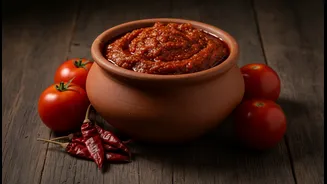
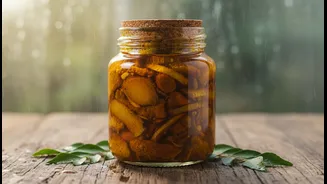
In Andhra Pradesh, a meal is often incomplete without a pickle, known as 'pachadi' or 'ooragaya'. These aren't just side dishes; they are a core part of the culinary tradition, designed to awaken the palate. The tomato version is a beloved staple, transforming
simple meals of hot rice and ghee into a spectacular feast. Its genius lies in its balance of spicy, tangy, and savoury notes, a flavour profile that is distinctly Andhra. The use of potent spices like mustard and fenugreek, combined with fiery Guntur chillies and tangy tamarind, creates a condiment that is both versatile and addictive.
Why Homemade is a Game Changer
While store-bought pickles are convenient, making your own Andhra tomato pickle is a deeply rewarding process. The primary advantage is control. You can adjust the spice level to your exact preference, from a mild warmth to a fiery inferno. You also ensure the freshness of the ingredients and avoid the artificial preservatives often found in commercial products. The traditional method relies on salt, oil, and spices for preservation. The aroma that fills your kitchen as you temper the spices and cook down the tomatoes is an experience in itself, culminating in a pickle that tastes brighter, fresher, and infinitely more satisfying.
Gathering Your Arsenal of Flavours
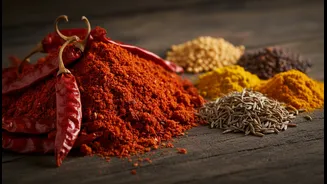
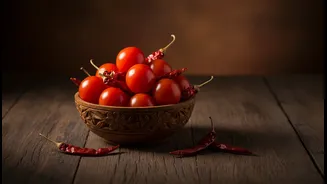
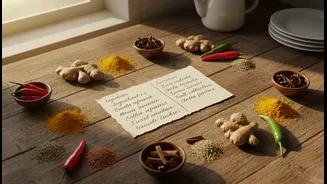
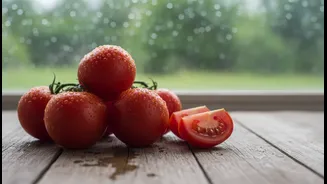
The success of this pickle lies in its ingredients. You will need ripe, flavourful tomatoes, as they form the base. Key spices include mustard seeds and fenugreek (methi) seeds, which are often dry-roasted and ground to a powder. This powder is fundamental to achieving the authentic taste. Red chilli powder, preferably a vibrant and spicy variety like Guntur or Byadgi, provides the heat and colour. Tamarind adds a crucial layer of tanginess that balances the heat and also acts as a preservative. Other essential components for the final tempering (the 'popu' or 'tadka') include sesame oil (gingelly oil), more mustard seeds, dried red chillies, garlic cloves, and a generous pinch of asafoetida (hing).
The Art of the Pickle: A Step-by-Step Guide
First, prepare your spice base. Dry roast fenugreek seeds and mustard seeds separately on low heat until they are fragrant and slightly darkened, then grind them into a fine powder. Next, wash and thoroughly dry your tomatoes before chopping them. Cook the chopped tomatoes in a heavy-bottomed pan, often with salt and turmeric, until they break down into a thick, mushy pulp and most of the water has evaporated. Some recipes call for adding tamarind paste during this stage. Once the tomato mixture has thickened, add the red chilli powder and the ground fenugreek-mustard powder. Cook for a few more minutes until everything is well combined and the mixture darkens. For the final step, heat a generous amount of sesame oil in a separate small pan. Add mustard seeds and let them splutter. Then add dried red chillies, crushed garlic cloves, and asafoetida. Pour this sizzling tempering over the tomato mixture and stir well until the oil is fully incorporated.
Tips for Perfection and Storage
Choosing the right tomatoes is key; they should be ripe but still firm. To ensure a long shelf life, it's crucial that all utensils, jars, and even your hands are completely dry. Moisture is the enemy of any pickle. Don't be shy with the oil; it acts as a natural preservative, creating a layer on top that seals the pickle from the air. Let the pickle cool completely to room temperature before transferring it to a clean, dry, airtight glass or ceramic jar. While it can be eaten immediately, the flavours will deepen and mature over a few days. Stored in the refrigerator, your homemade pickle will last for several months.