




The New Sweet Revolution
Forget everything you thought you knew about the neighbourhood mithai shop. A delicious revolution is underway, transforming the sweets we grew up with into gourmet creations worthy of a fine-dining menu. This isn't just about sticking a raspberry on a barfi;
it's a complete reimagining. This trend is fuelled by a new generation of Indians who cherish nostalgia but crave novelty. They want the flavours of their childhood, but presented in a way that feels contemporary, global, and often, a little healthier. It's a reflection of our evolving palates, where chefs are borrowing techniques from French patisserie and global dessert trends to breathe new life into age-old recipes.
Familiar Flavours, Fearless Forms
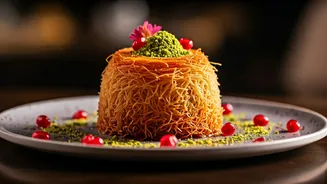
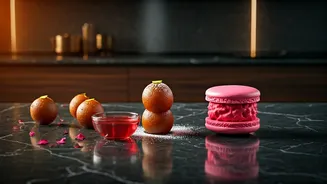
So, what does this 'glow up' actually look like? Imagine a motichoor laddoo, but deconstructed into delicate pearls served with a saffron-infused rabri foam. Or consider the humble besan laddoo, transformed into a light, airy macaron shell filled with a rich, nutty ganache. Brands like Bombay Sweet Shop have popularised treats like a 'Kaapi Paak', which infuses the classic Mysore Paak with strong filter coffee flavours, or their 'Patissa Fingers', which look like elegant chocolate bars but crackle with the flaky texture of sohan papdi. It's about taking the soul of the sweet—that distinct flavour of cardamom, saffron, or rose—and giving it a completely new body.
Beyond the Flavour Fusion
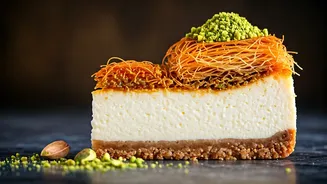
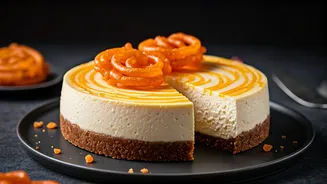
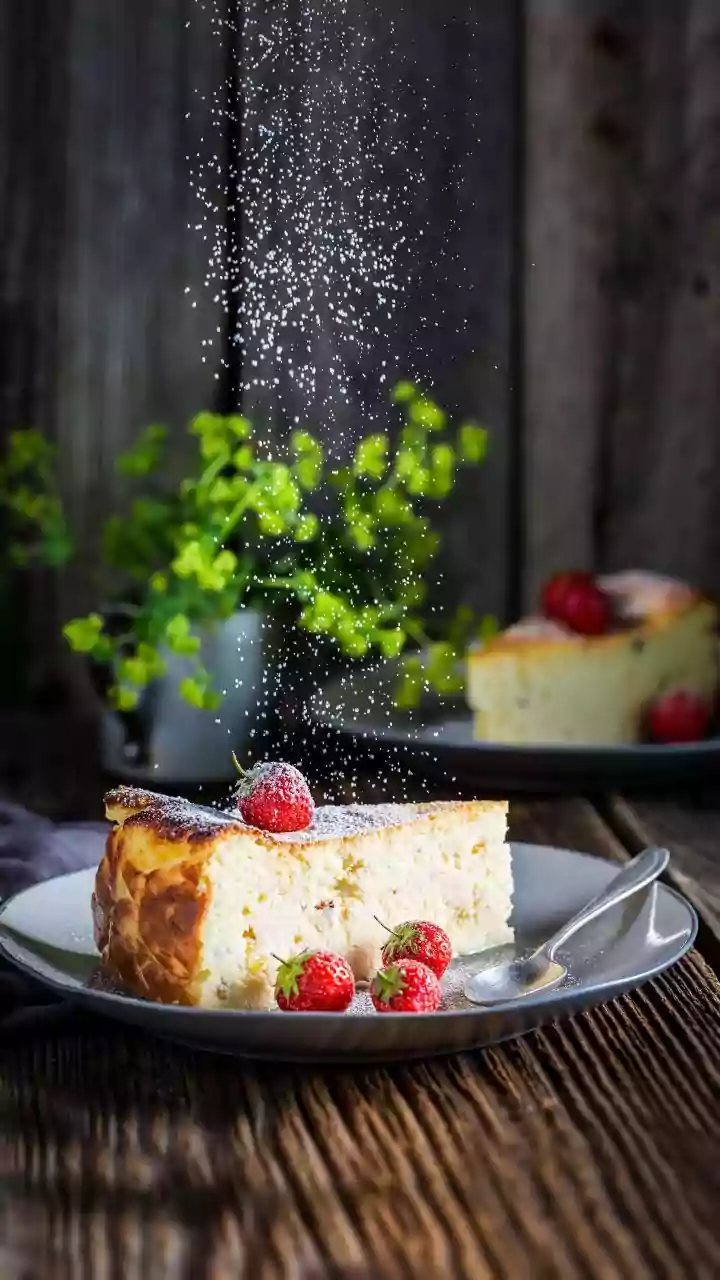
This movement goes deeper than just mixing Indian and Western flavours. It’s about technique and presentation. Chefs are using modern culinary methods like sous-vide to create perfectly textured barfis, and nitrogen to craft instant kulfi with an impossibly smooth finish. The visual appeal is paramount. Mithai is no longer just piled high on trays; it's meticulously crafted. Think mithai 'tarts' with delicate pastry, bonbons filled with liquid gulkand, and even mithai 'cakes' layered with different traditional sweets. This elevation in aesthetics makes modern mithai a popular choice for festive gifting and weddings, where they double as both a dessert and a piece of edible art.
The Artisans of the New Age
This trend isn't happening in a vacuum. It's being driven by a class of culinary artists who are passionate about Indian heritage. From luxury mithai boutiques like Khoya in Delhi, which focuses on pure ingredients and minimalist presentation, to innovative pastry chefs across five-star hotels, the movement has many champions. They see themselves not as disruptors, but as custodians of a living tradition. Their goal is to ensure that mithai doesn't become a relic of the past, but continues to be a vibrant and exciting part of our culinary future. By making it relevant to younger, globally-exposed audiences, they are securing its place at the table for generations to come.
A Sweet Nod to Authenticity
Of course, for every fan of a lavender-infused peda, there's a purist who believes classics shouldn't be touched. But the beauty of this trend lies in its reverence for the original. The best modern mithai makers aren't trying to erase the past; they are celebrating it. They succeed when the new creation still evokes the memory and comfort of the original, even in its surprising new form. The taste of high-quality ghee, the fragrance of freshly ground cardamom, and the richness of pure khoya remain the unshakeable foundations. This glow up isn't a rejection of tradition, but rather a love letter to it, written in the exciting language of modern cuisine.