



Mumbai's Unstable Foundation
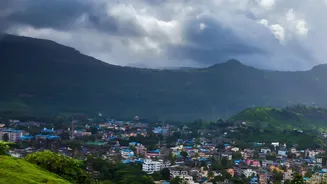
Mumbai isn't built on solid granite. Many of its hilly areas, particularly in the suburbs like Ghatkopar, Chembur, and Vikhroli, are composed of weathered and fractured rock mixed with layers of soil. During the dry months, this composition is relatively
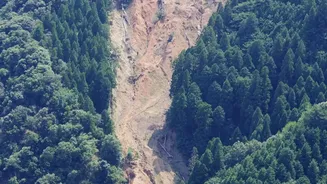
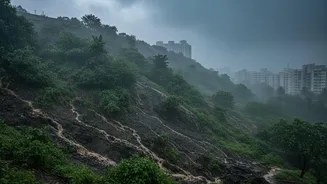
stable. However, the intense and prolonged rainfall of the monsoon season changes everything. Water seeps deep into the ground, saturating the soil and filling the fractures in the rock. This process, known as increasing pore water pressure, dramatically increases the weight of the hillside while simultaneously reducing the internal friction that holds the soil and rock particles together. A slope that appears solid can quickly become a heavy, unstable mass, waiting for a trigger to give way.
The Drainage System Under Siege
A city's drainage network is its primary defence against excess water. In Mumbai, this system comprises a combination of natural water bodies like the Mithi River and a vast, yet ageing, network of man-made stormwater drains. In theory, these channels are meant to capture rainwater and guide it safely to the sea. The reality is far more complex. Mumbai’s drainage system is frequently overwhelmed, choked by plastic waste, silt, and illegal encroachments that narrow or completely block the flow of water. When these drains are clogged, rainwater has nowhere to go. Instead of being channelled away, it pools on the surface and, critically, soaks into the ground on and around the city's hillocks, directly contributing to the saturation that precedes a landslide.
The Human Factor: A Deadly Combination
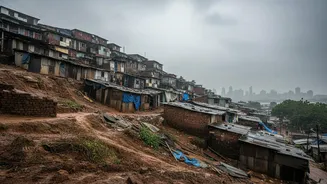
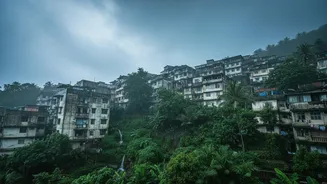
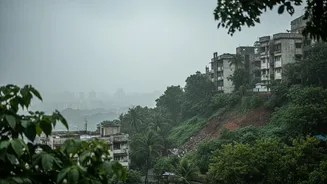
Natural geology and heavy rains create the potential for landslides, but human activity often turns that potential into a disaster. The relentless pressure for housing in a land-scarce city has led to widespread encroachment and construction on or at the base of hillsides. Cutting into a slope to create a flat surface for a building removes the natural support at the 'toe' of the hill, destabilizing the entire mass above it. Furthermore, construction adds weight, and the lack of proper sanitation and drainage in many informal settlements means that wastewater often seeps directly into the slope, further weakening it. Deforestation and the removal of vegetation for construction also strip the slopes of roots that help bind the soil together, accelerating erosion and making them more susceptible to collapse during heavy downpours.
A Predictable and Preventable Tragedy
Experts and official reports have repeatedly flagged the growing danger. The Geological Survey of India (GSI) has identified hundreds of landslide-prone locations across the city, classifying many as highly vulnerable and in need of immediate attention. A 2018 GSI report specifically warned about the high risk at a Kurla hillock, recommending measures like building retaining walls with weep holes to allow water to escape, securing drainage for surface water, and halting further construction. These warnings, however, have often gone unheeded due to issues of funding, jurisdiction, and the immense challenge of relocating communities living in high-risk zones. Retaining walls, while helpful, are sometimes insufficient and can be weakened by water seepage from informal construction.