





The Cumulative Effect of Feasting
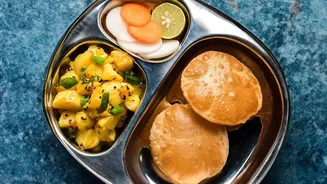
One indulgent meal is a celebration; twenty indulgent meals is a health problem. The Indian festive calendar, from Navratri through Diwali and beyond, is a multi-week affair. A single serving of gulab jamun or a few extra puris may seem harmless, but
the impact is cumulative. Over several weeks, these small excesses add up, leading to digestive distress, bloating, lethargy, and unwanted weight gain. Hospitals often report a spike in patients with gastrointestinal issues and metabolic disturbances after the festive season concludes. This isn't about one day of feasting, but the slow, steady toll of prolonged overindulgence on your body's systems, from your gut to your energy levels.
More Than Just Weight Gain
While weight gain is a common concern, the effects of festive overeating go much deeper. Constant consumption of foods rich in sugar, refined flour, and unhealthy fats can lead to sharp spikes in blood sugar and triglyceride levels. This creates a cycle of energy crashes and cravings, leaving you feeling tired and irritable. It also places significant stress on your digestive system, leading to common complaints like acidity, gas, and constipation. For individuals with pre-existing conditions like diabetes or hypertension, this period can be particularly risky, potentially worsening their health status if not managed carefully. Portion awareness, therefore, is not just a weight management tool but a strategy for maintaining overall well-being and energy.
The 'Plate Method' for Festive Meals
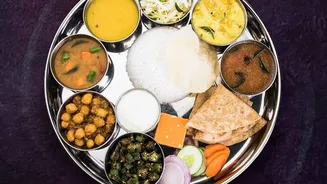
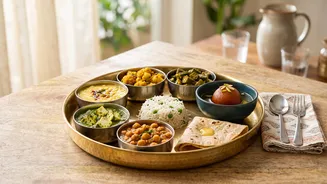
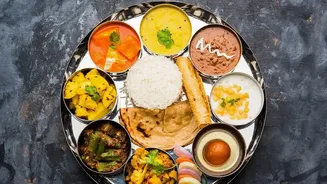
A practical way to manage portions without feeling deprived is the 'plate method'. At parties and family dinners, visually divide your plate. Fill half of it with lighter options like salads, roasted vegetables, or raita. These high-fibre foods promote fullness and aid digestion. Dedicate one-quarter of the plate to protein sources like dal, paneer, chana, or lean meats, which enhance satiety and prevent overeating. The final quarter can be for carbohydrate-rich festive favourites like pulao, biryani, or roti. This simple visual guide ensures you get a balanced meal, allowing you to sample traditional dishes without overloading your system.
Mindful Indulgence, Not Deprivation
Portion awareness doesn't mean you have to skip your favourite mithai. It’s about mindful indulgence. Instead of mindlessly sampling every sweet on offer, try the 'one-sweet rule': choose the one you love the most and savour a small portion of it. Eat slowly, paying attention to the taste and texture. It takes the brain about 20 minutes to register that the stomach is full, and eating slowly gives your body time to send that signal, preventing you from going for unnecessary second or third helpings. This approach allows you to participate fully in the joy of festive food without the accompanying guilt or physical discomfort.
Smart Strategies for Social Gatherings
Navigating social pressure from well-meaning hosts can be challenging. A few simple strategies can help. Firstly, never arrive at a party completely famished. Having a light, healthy snack like a piece of fruit or a handful of nuts before you leave home can curb intense cravings and prevent you from overeating. When at the gathering, use a smaller plate if available, as this naturally helps with portion control. Staying hydrated by drinking plenty of water also helps manage appetite. If you're offered more food, it's perfectly polite to decline graciously by saying you're full and have thoroughly enjoyed the meal.