








The Search-First Trap
Many of us treat travel planning like a lottery. We spend hours each week hunting for a magical, under-priced flight or a hotel deal that feels too good to be true. This constant search can be exhausting and often leads to decision fatigue. The thrill
of finding a bargain releases a short-lived burst of dopamine, the brain's pleasure chemical, which can make the hunt itself feel rewarding. However, this often encourages impulsive decisions or, worse, a feeling of being perpetually unable to afford the trips we dream of. Psychologists warn that this constant deal-hunting can cause stress and anxiety. When you search without a clear budget, every option feels both tempting and out of reach. It frames travel as an expense you can’t quite manage, rather than an experience you are actively preparing for.
The 'Save First' Mindset Shift
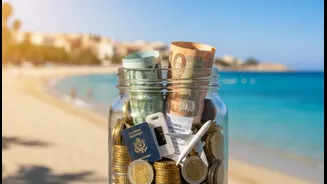
The alternative is simple but powerful: save for your trip before you even know where you’re going. This means treating travel as a planned financial goal, not a spontaneous purchase. By setting money aside regularly, you transform the entire process. Instead of asking “What can I afford?”, you can confidently say “Here is what I have to spend.” This approach, often called a sinking fund, involves creating a dedicated pool of money for a specific, planned expense. By turning a large, intimidating cost into small, manageable monthly contributions, you remove the financial stress from the equation. This puts you in control, allowing you to plan with a sense of purpose and calm, rather than desperation.
How to Build Your Travel Fund
Starting a travel fund is more straightforward than it sounds. The first step is to open a separate savings account dedicated solely to travel. This keeps your vacation money separate from your daily expenses, reducing the temptation to spend it on other things. The most effective strategy is to automate your savings. Set up a recurring transfer from your primary bank account to your new travel account. Schedule this transfer for the day you receive your salary, so the money is saved before you even have a chance to miss it. Decide on a realistic amount, even if it’s small to start. The consistency of the habit is more important than the amount. To figure out your goal, you can estimate the cost of a future trip and divide it by the number of months you have to save. This gives you a clear monthly target.
From Saving to Smarter Searching
Once you have a healthy travel fund, the search process becomes entirely different. You are no longer just browsing; you are shopping with intent. Knowing your budget allows you to filter out options that are outside your price range immediately, saving you time and mental energy. You can now focus on getting the best value for the money you have saved. This is also when planning ahead pays off significantly. Booking flights two to three months in advance, for instance, often results in lower fares. Travelling during the off-season or shoulder seasons can also dramatically reduce costs for both flights and accommodation. With a fund already in place, you have the flexibility to book when prices are lowest, rather than waiting for a last-minute deal that may never appear.
Making the Habit Stick
Like any new habit, consistency is key. To stay motivated, give your savings account a specific name, like “Thailand Adventure” or “European Holiday Fund.” This visual reminder helps connect the act of saving with the exciting goal you’re working towards. You can also boost your fund with any financial windfalls you receive, such as a bonus from work or a tax refund. Consider tracking your progress with a budgeting app to see how far you've come. Seeing the fund grow month after month provides positive reinforcement and makes it easier to stick with the plan. As your savings grow, so will your confidence and your sense of freedom. The world starts to feel more accessible when you know you are financially prepared to explore it.