






Beyond the Single Ceiling Light
For decades, the standard approach to lighting a room was a single, central fixture on the ceiling. While functional, this method often creates a flat, uninviting atmosphere with harsh shadows and poorly lit corners. A truly well-lit home embraces a concept
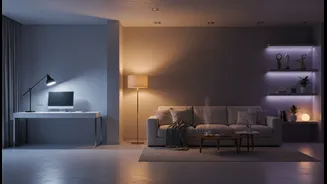
professional designers call 'layering.' This involves using multiple light sources to create a space that is not only visually interesting but also incredibly versatile. By combining different types of light, you can adapt a room’s feel to suit your activity, whether it’s preparing a meal, reading a book, or unwinding after a long day. It’s the difference between a house that’s simply lit and a home that feels alive.
The Three Essential Layers of Light
Effective lighting design is built on three distinct layers: ambient, task, and accent lighting. Ambient light is the foundation—the general, overall illumination that makes a room usable. This often comes from recessed lights, chandeliers, or large ceiling fixtures. Task lighting is more focused and is used for specific activities like chopping vegetables, applying makeup, or reading. Think of under-cabinet lights in the kitchen or a dedicated desk lamp. The final layer is accent lighting, which adds drama and character. It’s used to highlight architectural features, artwork, or decor, drawing the eye and creating visual depth. A well-designed room uses all three layers in harmony.
Lighting for Work: Bright and Focused
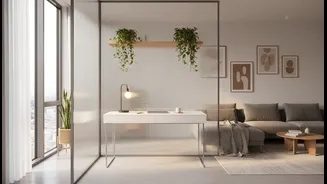
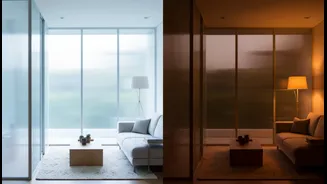
When you need to be productive, your lighting should work for you. For home offices, study areas, or any space dedicated to focused tasks, cooler and brighter light is essential. This is where colour temperature, measured in Kelvins (K), comes into play. Cool-toned light, typically in the 4000K to 5000K range, mimics natural daylight. This type of light has been shown to increase alertness, improve concentration, and boost energy levels by signalling to your brain that it’s time to be awake and active. Combining a bright ambient light source with a strong, directional task lamp on your desk will prevent eye strain and help you maintain focus throughout your workday.
Lighting for Rest: Warm and Calming
As the day transitions to evening, your lighting should shift to promote relaxation and prepare your body for sleep. This is the time to switch to warm-toned light, which falls in the 2700K to 3000K range on the Kelvin scale. This is the soft, yellowish glow we associate with traditional incandescent bulbs or a setting sun. Warm light has a calming effect, helping to reduce stress and create a cozy, intimate atmosphere. Exposing yourself to bright, cool light in the evening can disrupt your natural circadian rhythm and interfere with melatonin production, the hormone that regulates sleep. By using warm, dimmable lamps in your living room and bedroom, you send a clear signal to your brain that it’s time to unwind.
Putting It All Together with Smart Controls
The key to making layered lighting work for different moods and activities is control. Installing dimmers on your main light switches is one of the most effective upgrades you can make, allowing you to adjust the intensity of your ambient light instantly. For even greater flexibility, consider smart bulbs and plugs. These technologies allow you to change not only the brightness but also the colour temperature of your lights with a simple voice command or a tap on your phone. You can create and save different lighting 'scenes'—a bright, cool setting for 'Work,' a warm, medium-level scene for 'Dinner,' and a dim, amber glow for 'Movie Night.' This puts the power to completely transform the feel of your home right at your fingertips.