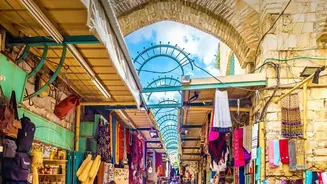







The Practical Advantage: Shop and Go
Imagine this: it’s 10 a.m. and you’ve just bought a beautiful, hand-painted ceramic bowl, a bulky hand-woven throw, and a string of fragrant spices. The problem? You have another seven hours of sightseeing ahead of you. Visiting a market early in the day
means you are saddled with your purchases, carefully navigating crowds at museums, temples, and restaurants while trying to protect your new treasures. It’s inconvenient and adds a layer of stress to what should be a day of discovery. By scheduling your market visit for the late afternoon, you solve this logistical puzzle. You can browse freely, purchase what you like, and then head directly back to your hotel to drop off your finds before dinner. Your hands are free all day for taking photos, consulting maps, and enjoying a gelato without worrying about your bags.
The End-of-Day Bargain Hunt
While haggling is not universal, in many market cultures, the end of the day can be a prime time for deals. Vendors are often tired, looking to make a few final sales, and may be more reluctant to pack up unsold goods than they are to give you a better price. A polite and friendly negotiation when sellers are winding down can sometimes yield surprising discounts. This isn't about aggressively low-balling; it's about a mutually beneficial transaction. The seller makes a final sale they might have otherwise missed, and you walk away with a fairly priced souvenir. Be observant and respectful; if a shop has fixed prices or the vendor seems unreceptive, it's best to pay the stated cost. But in many bustling bazaars, a late-day purchase can be friendlier on your wallet.
Experience the Authentic Local Buzz
Markets change their personality throughout the day. While mornings are often for tourists and early-bird shoppers grabbing the freshest produce, the evening brings a different energy. In many parts of the world, especially in Asia, night markets are vibrant social hubs where locals gather after work to eat, shop, and socialize. Visiting during these hours offers a more authentic glimpse into daily life. The atmosphere is often less about a transactional tourist experience and more about community. You'll see families out for a stroll, friends meeting for street food, and the general, wonderful chaos of a city unwinding. This is your chance to feel less like a visitor and more like a participant in the local rhythm.
The Perfect Transition to an Evening Out
A late-afternoon market visit can also serve as the perfect bridge between your daytime activities and your evening plans. As sightseeing attractions begin to close, the markets are often just hitting their stride. A stroll through a lively bazaar, perhaps grabbing some local snacks or street food for an early dinner, is a fantastic way to transition into the night. Many night markets are known for their incredible array of food stalls, offering a chance to sample regional dishes in a casual and exciting setting. It breaks up the common travel pattern of 'sightseeing-hotel-dinner' and injects a dose of spontaneity and local flavour into your evening before you’ve even sat down for a formal meal.
When Morning Still Wins
Despite the many benefits of an evening visit, this advice isn't one-size-fits-all. Some markets are decidedly morning affairs. Farmers' markets, for instance, are best visited early to get the freshest produce, baked goods, and specialty items that often sell out by midday. If you're after peak-season fruits or rare artisanal cheeses, the 'early bird' rule absolutely applies. Similarly, some traditional souks or bazaars in more conservative regions may wind down or close entirely as evening approaches. Before you plan your day, a quick search or a question to your hotel concierge about the specific market's operating hours and peak times will ensure you don't show up to a collection of closed shutters. Some markets, like Seattle's Pike Place, have varied hours, with different vendors like produce and crafts opening and closing at different times.