


The Search for Squeaky-Clean Beauty
The biggest reason for this trend is you, the consumer. There is a growing movement towards 'clean' and 'transparent' beauty. Shoppers are becoming more discerning, turning over bottles to read ingredient lists and feeling wary of long, complicated chemical
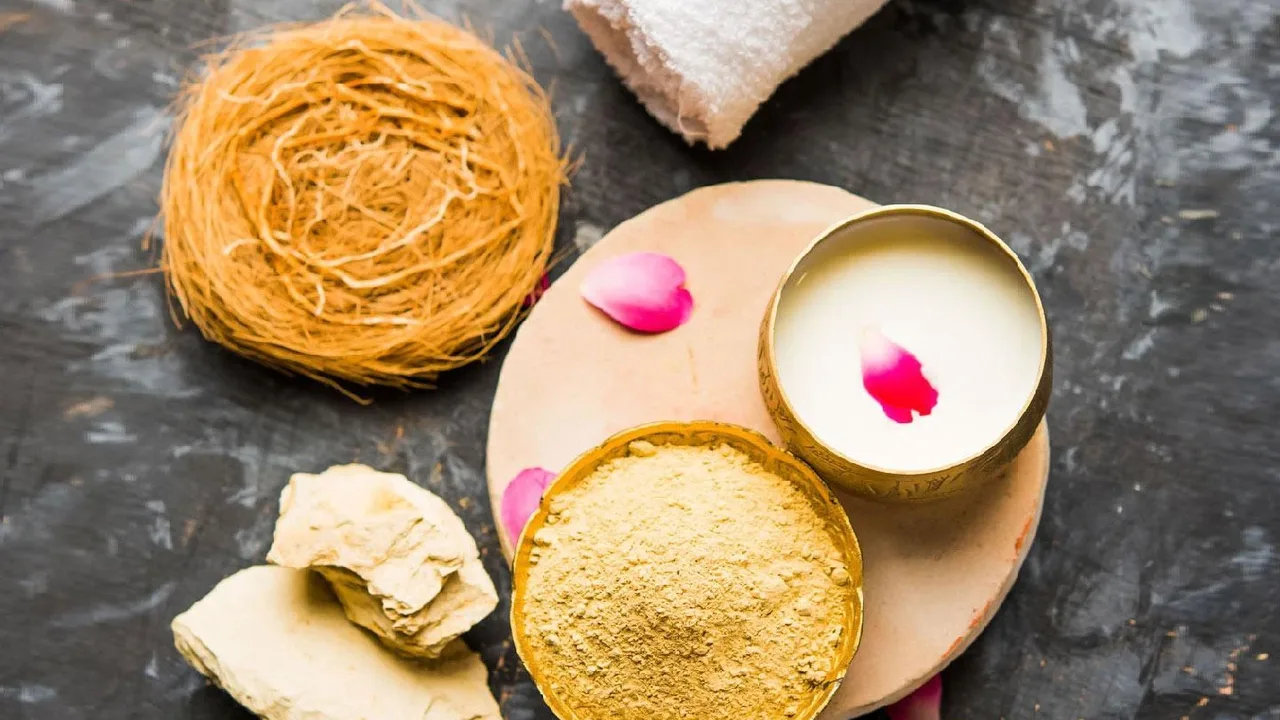
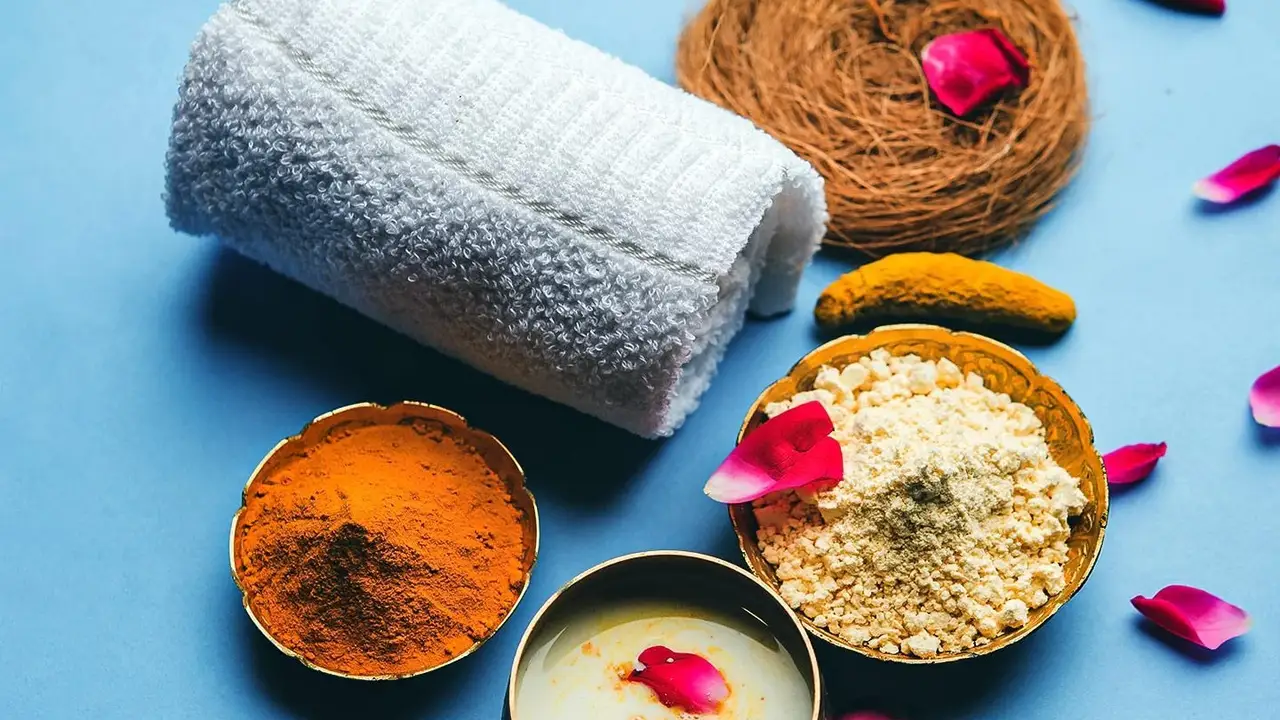
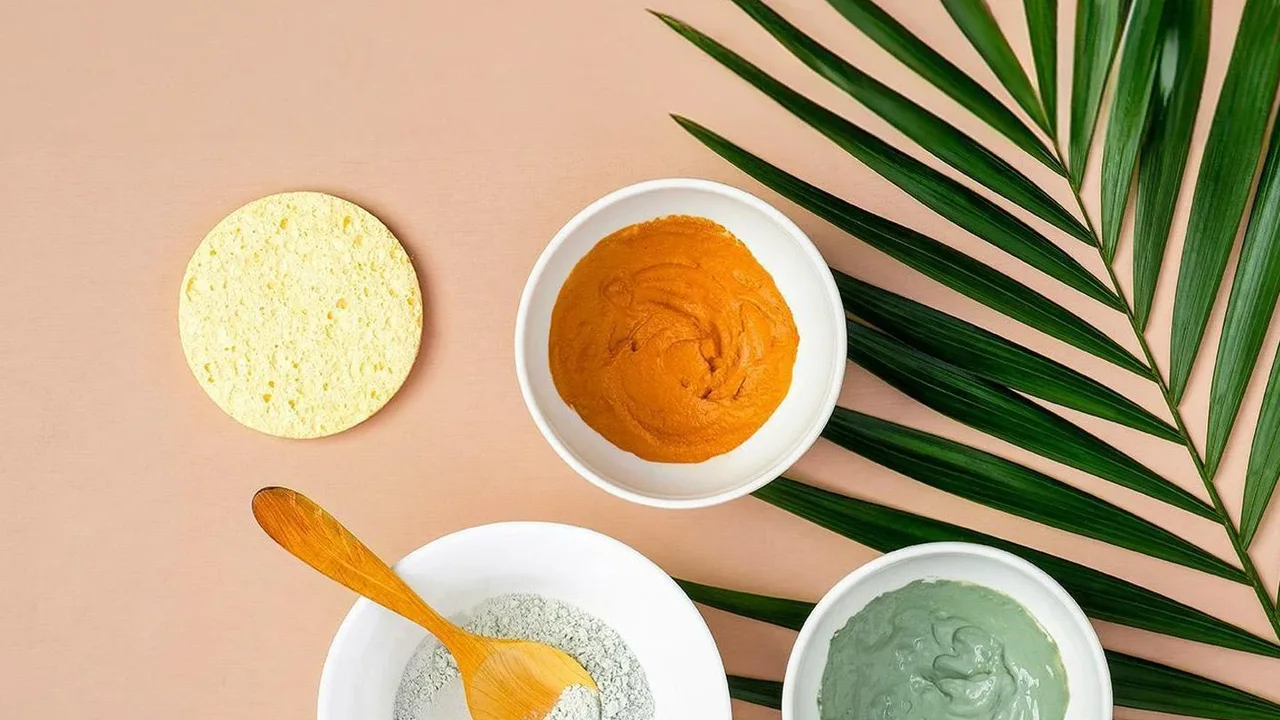
names they can't pronounce. In a world of complex formulas, there is comfort and trust in the familiar. Ingredients like honey, saffron (kesar), and amla feel inherently safer because we know what they are. For generations in India, a paste of turmeric (haldi) and gram flour (besan) has been the go-to pre-wedding ritual for glowing skin. This deep-seated cultural trust in kitchen remedies makes these products especially appealing. Brands are simply listening to a demand for products that feel more natural, wholesome, and trustworthy.
When Ancient Wisdom Meets Modern Science
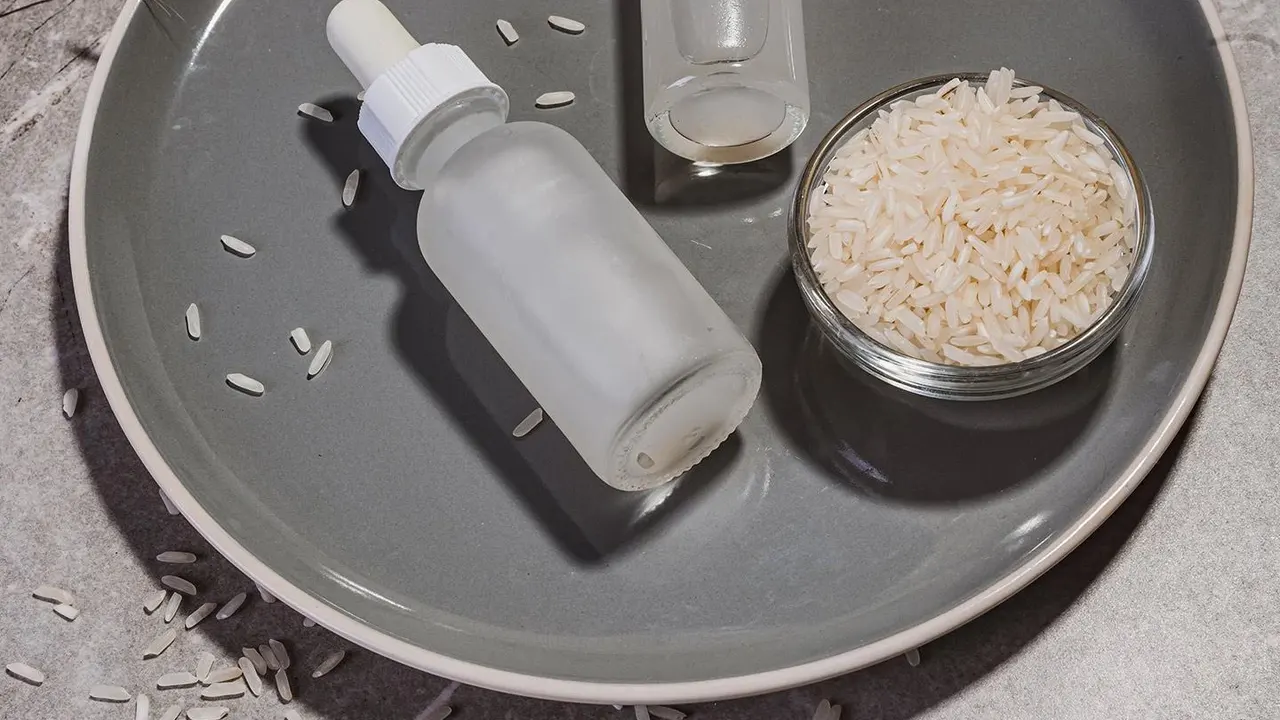
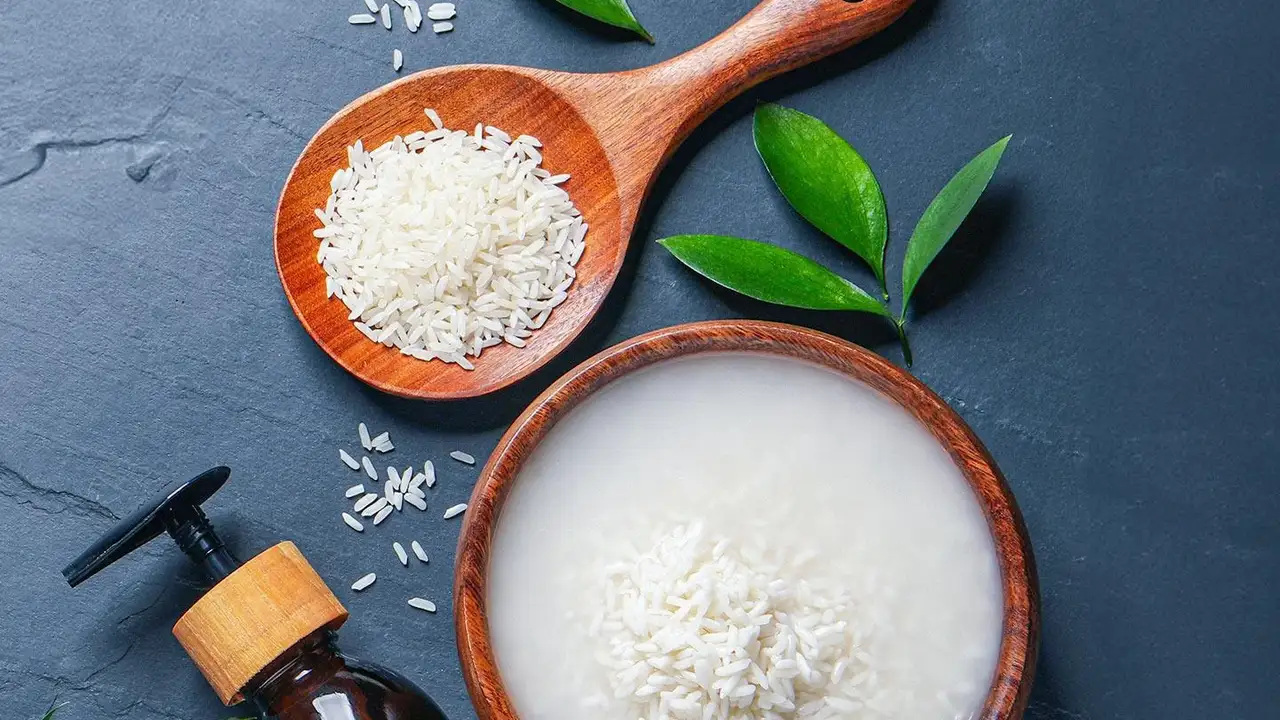
What was once passed down through grandmother's tales is now being proven in a laboratory. Modern science is increasingly validating the benefits of these traditional ingredients. Turmeric, for instance, has been a staple in Ayurveda for centuries. Scientific studies now confirm that its active compound, curcumin, has powerful antioxidant and anti-inflammatory properties that can help calm the skin, fight free radical damage, and promote a natural glow. Similarly, rice water, a historical beauty secret in many Asian cultures, is rich in amino acids, vitamins, and a compound called inositol. While claims of miraculous hair growth are largely anecdotal, evidence suggests these components can strengthen the hair shaft, reduce friction, and increase shine, leading to less breakage and healthier-looking hair.
From Messy DIY to Sophisticated Formulas
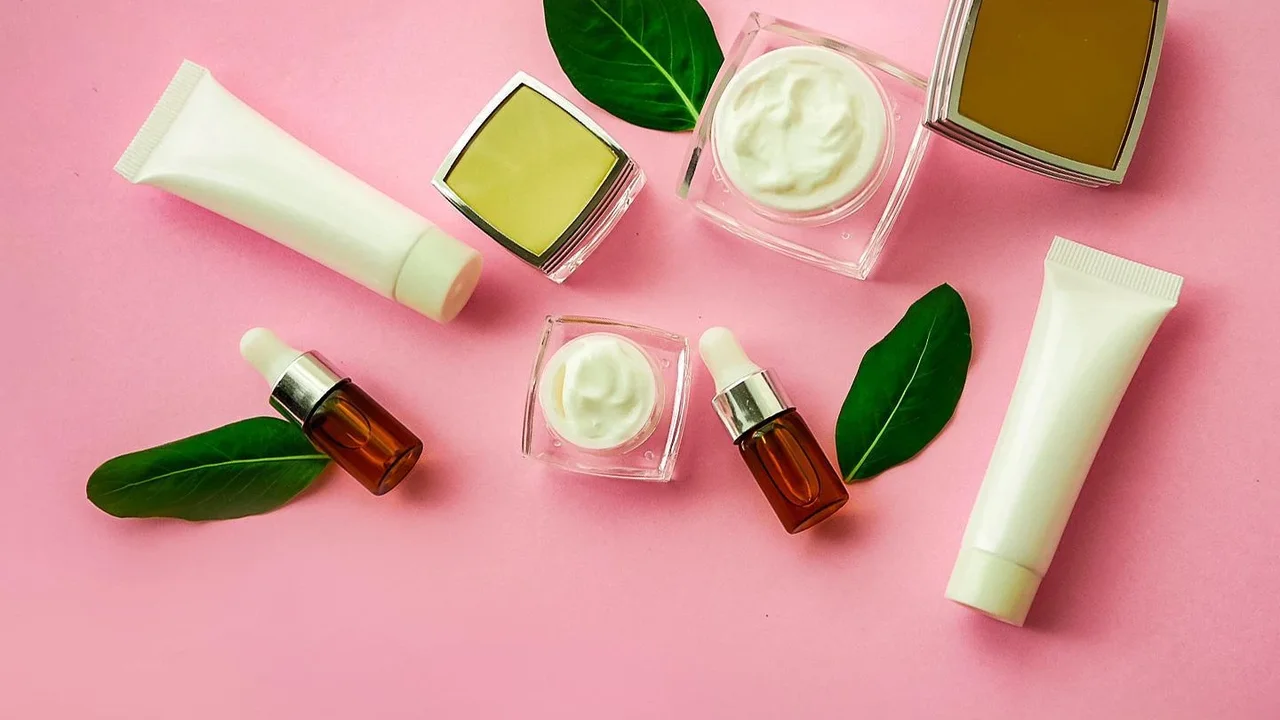
While making a face pack at home is effective, the modern beauty industry offers a major upgrade in convenience and efficacy. Brands are investing heavily in creating stable, potent, and elegant formulations. A professionally made turmeric serum, for example, is formulated to ensure the curcumin can actually penetrate the skin barrier effectively, something a simple homemade paste may not achieve. These products use cosmetic-grade ingredients that are purified for topical use, are created in sterile environments to prevent contamination, and contain preservatives that ensure the product remains safe and effective for months, not just hours. This approach offers the best of both worlds: the trusted benefits of a natural ingredient without the mess, potential for contamination, or instability of a DIY concoction.
A Word of Caution: Your Kitchen Is Not a Lab
The trend has also fueled a rise in DIY beauty, but it is important to be cautious. Not everything that is safe to eat is safe to put directly on your face. The lemon juice you put in your tea, for example, is highly acidic and can disrupt your skin's natural pH balance, leading to irritation and sun sensitivity. Raw food ingredients can also harbor bacteria, and without preservatives, a homemade mask can become a breeding ground for germs. There's a significant difference between 'food-grade' and 'cosmetic-grade' ingredients. While food-grade items are certified safe for ingestion, cosmetic-grade ingredients are processed specifically for safety, purity, and stability on the skin. Using a product formulated for the skin is always a safer bet than experimenting with raw ingredients from the refrigerator.