

Why Make the Switch to Ragi?
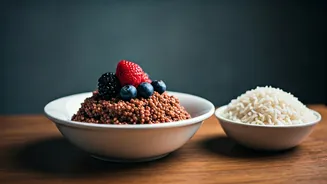
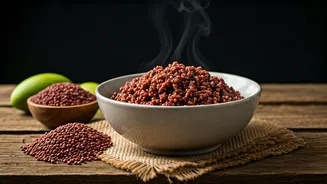
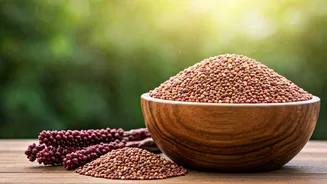
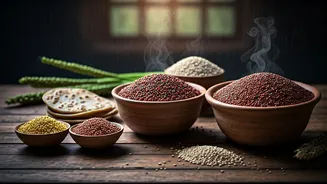
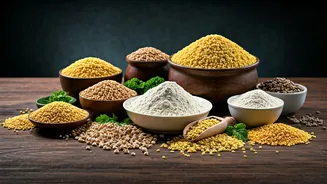
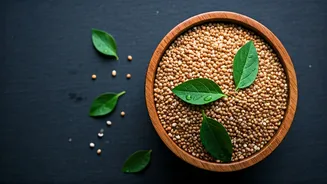
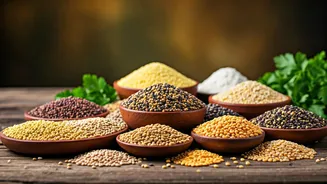
Before we dive into the dishes, let's appreciate the star ingredient. Ragi, also known as finger millet, is a nutritional powerhouse. Compared to polished white rice, it is exceptionally rich in calcium, iron, and fibre. The high fibre content aids in digestion
and promotes a feeling of fullness, which can help with weight management. Furthermore, ragi has a lower glycemic index, meaning it releases sugar into the bloodstream more slowly, preventing the sharp spikes associated with rice. This makes it an excellent choice for those managing blood sugar levels. It is naturally gluten-free and packed with amino acids and antioxidants. Switching from rice to ragi isn't about restriction; it's about upgrading your meals with a grain that nourishes from within.
1. Ragi Mudde: The Soulful Staple
A true comfort food from Karnataka, Ragi Mudde are soft, round balls made from ragi flour and water. They are traditionally served with a flavourful sambar, saaru (a thin rasam), or a leafy green curry. The beauty of mudde lies in its simplicity and its texture—a soft, pliable dough that is swallowed, not chewed, allowing you to savour the accompanying curry. Making it requires some practice; the key is to add the flour to boiling water and mix it vigorously with a wooden stick to form a lump-free, glossy ball. Once cooked, the mixture is shaped by hand into smooth, round portions. It’s a rustic, filling, and deeply satisfying meal that has been a source of strength for generations.
2. Ragi Malt Porridge: A Warm Hug in a Bowl
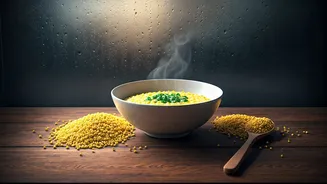
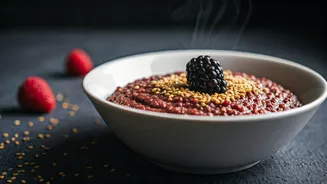
Porridge is the universal language of comfort, and ragi makes for a wonderfully creamy and wholesome version. Whether you prefer it sweet or savoury, ragi porridge (or Ragi Malt) is quick to prepare and incredibly versatile. For a sweet version, cook ragi flour with water or milk until it thickens, then sweeten with jaggery and flavour with cardamom or cinnamon. Topping it with nuts and a little ghee makes it a truly decadent yet healthy breakfast. For a savoury twist, cook the ragi in water, let it cool, and then mix in buttermilk, salt, and finely chopped onions and green chillies for a refreshing and cooling meal, perfect for warmer days.
3. Soft Ragi Idli: The Fluffy Delight
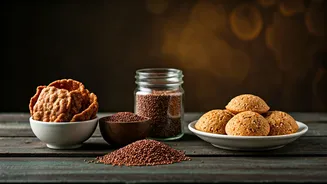
Imagine your favourite soft, pillowy idlis, but now with the added goodness of ragi. Ragi idlis are a fantastic way to incorporate this healthy millet into a beloved South Indian breakfast. They can be made by substituting a portion of the rice in a traditional idli batter with ragi flour. The fermentation process, crucial for classic idlis, makes the nutrients in ragi even easier for the body to absorb. The resulting idlis are soft, fluffy, and have a beautiful, earthy colour and flavour. Served hot with a steaming bowl of sambar and a dollop of coconut chutney, these idlis offer all the comfort of the original with a superior nutritional profile.
4. Crispy Ragi Dosa: The Healthy Crepe
For those who love the crisp, golden edges of a freshly made dosa, the ragi version is a must-try. Ragi dosas can be made instantly by creating a thin batter with ragi flour, rice flour (for crispiness), and a touch of sour curd or buttermilk. For a lacy, restaurant-style dosa, the batter should be thin and pourable. Spices like cumin seeds, chopped green chillies, ginger, and curry leaves can be added to the batter for an explosion of flavour. Cooked on a hot tawa with a drizzle of oil or ghee until golden brown, these dosas are delightfully crisp and light. They offer a fantastic, quick, and healthy alternative to rice for any meal of the day.
5. Ragi Roti: The Versatile Flatbread
While not a direct rice replacement in all contexts, a soft ragi roti (or bhakri) serves the same comforting purpose of being the perfect vehicle for scooping up delicious curries and dals. Unlike wheat rotis, ragi is gluten-free, which can make rolling a challenge. The secret to a soft, pliable ragi roti is using hot water to make the dough. This gelatinises the starch, resulting in a dough that is easy to handle and doesn't crack. Knead the warm dough well, roll it out, and cook on a hot tawa. You can press the roti with a cloth to help it puff up. Brushed with a little ghee, these earthy, nutritious flatbreads are a wonderful comfort food.