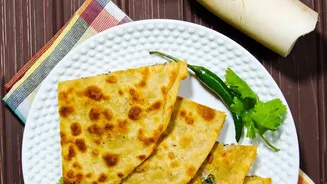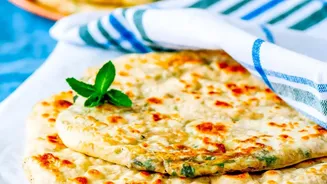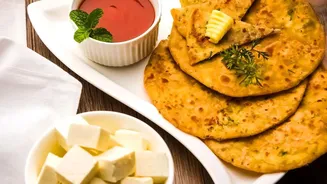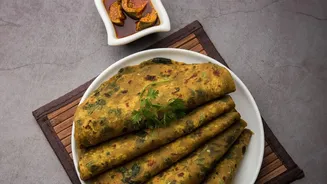




In the quest for meals that are both comforting and nourishing, Indian kitchens are rediscovering ancient grains. The Jowar Mooli Paratha is a perfect example, offering a delicious, gluten-free alternative to traditional wheat-based flatbreads.
The Power of Jowar
Jowar,
or sorghum, is an ancient millet making a major comeback, and for good reason. Unlike refined wheat flour, jowar is naturally gluten-free, making it an excellent choice for those with gluten sensitivities or coeliac disease. It boasts a lower glycaemic index, which helps in managing blood sugar levels by providing a slow and steady release of energy. This grain is also a powerhouse of nutrients, packed with dietary fibre, iron, magnesium, and antioxidants. The high fibre content not only aids digestion and promotes a feeling of fullness, which can help with weight management, but also supports overall gut health.
The Humble Mooli's Moment
Paired with jowar is the humble mooli, or white radish, a winter staple in India. Far more than just a salad ingredient, mooli brings its own impressive set of health benefits. It is rich in fibre, which is great for the digestive system, helping to prevent constipation and bloating. Radishes also contain compounds that are believed to support liver detoxification and regulate blood pressure. The leaves of the mooli are just as valuable, loaded with vitamin C, iron, and calcium. When used in a paratha, its sharp, peppery flavour cuts through the earthy density of the jowar, creating a balanced and exciting taste profile.
Mastering the Gluten-Free Dough
Working with jowar flour can be different from using wheat flour because it lacks gluten, the protein that gives dough its elasticity. The key to a soft, pliable jowar dough is using hot water. When you mix jowar flour with boiling or very hot water, the starches in the flour gelatinise, which helps bind the dough together and makes it much easier to handle. After mixing the flour and hot water, it's important to knead the dough while it is still warm until it becomes smooth. Some recipes suggest letting the dough rest for a few minutes to fully hydrate. This simple technique prevents the dough from becoming dry and crumbly, ensuring your parathas don't break apart while rolling.
Crafting the Perfect Paratha
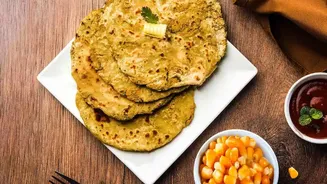
The preparation for Jowar Mooli Paratha is straightforward. Typically, the radish is grated and mixed with a bit of salt to draw out its excess water. This step is crucial to prevent the filling from making the paratha soggy. After about ten minutes, the grated mooli is squeezed thoroughly to remove all the liquid. This mooli is then often mixed directly into the jowar flour along with spices like ajwain (carom seeds), green chillies, ginger, and fresh coriander. The dough is kneaded, divided into portions, and then rolled out. Since the dough can be delicate, a useful trick is to roll it between two sheets of parchment paper or on a lightly oiled plastic sheet to prevent sticking. The parathas are then cooked on a hot tawa (griddle) on both sides until golden-brown spots appear, often with a light brushing of ghee or oil.
Serving and Variations
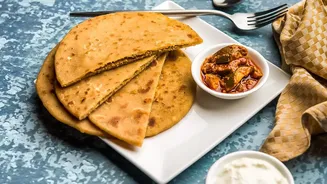
Jowar Mooli Parathas are incredibly versatile and pair beautifully with a variety of accompaniments. A classic serving suggestion is with a bowl of cool curd or a flavourful raita, which balances the mild spice of the flatbread. A dollop of homemade white butter or a side of tangy pickle also complements the paratha perfectly. For a more substantial meal, it can be served alongside a simple vegetable curry or a hearty dal. Don't be afraid to experiment with the filling. You can add finely chopped radish leaves to the dough for extra nutrients and flavour, or include other spices like crushed coriander seeds and kasoori methi (dried fenugreek leaves) to create your own signature version.