

Why August Watering is Different
August presents a unique challenge for Indian gardeners. It's a month of contradictions, often swinging between heavy monsoon downpours and surprising dry spells. The defining feature, however, is high humidity. This combination means that soil that dried
out in a day during the summer may now stay moist for several days. This dampness, paired with overcast skies, creates a perfect storm for problems like root rot and fungal diseases, which thrive when roots are suffocated in waterlogged soil. Many gardeners continue with their summer watering schedule out of habit, which is the number one cause of plant stress this month. The key to success is shifting from a fixed schedule to careful observation.
Abandon the Daily Sprinkle
One of the most common mistakes is giving plants a quick, shallow sprinkle every day. This practice encourages roots to stay near the surface, making them vulnerable. The modern consensus is clear: water deeply but less frequently. This approach encourages plants to develop stronger, deeper root systems that are more resilient to fluctuating conditions. Instead of watering on a schedule, let the soil be your guide. The easiest method is the 'finger test': stick your finger about two inches into the soil. If it feels dry at that depth, it's time to water. If it's still moist, hold off. This simple habit is the most effective way to prevent overwatering.
Water the Soil, Not the Leaves
In the humid environment of August, watering the leaves of your plants is an open invitation for fungal diseases like powdery mildew. The best practice is to deliver water directly to the base of the plant, at the soil line. This ensures the moisture gets to the roots where it's needed, while the foliage stays dry. Watering early in the morning is highly recommended. This gives the plant time to absorb the moisture before the day's heat, and any accidental splashes on the leaves have the entire day to dry out, reducing the risk of overnight fungal growth. Evening watering should be avoided as it leaves foliage damp overnight, creating a breeding ground for problems.
Special Care for Potted Plants
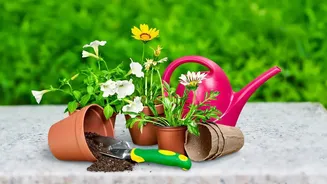
Container gardens, a staple of urban Indian homes, need special attention. While they can dry out faster than garden beds, they are also more susceptible to waterlogging. First, ensure every pot has clear, unobstructed drainage holes. If pots sit in a saucer, be sure to empty any collected water after a heavy rain or a thorough watering. Elevating pots on bricks or stands is a simple, effective trick to improve drainage and airflow, preventing roots from sitting in water. The potting mix itself is also crucial. Heavy garden soil should be amended with materials like cocopeat or sand to create a lighter mix that drains well and prevents compaction.
Manage the Monsoon Rains
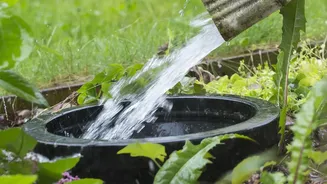
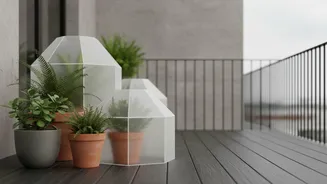
Don't assume a rain shower has done your job for you. A light drizzle may only wet the surface, failing to reach the root zone. After rainfall, it's still important to perform the finger test to see how deeply the moisture has penetrated. Conversely, after a heavy downpour, your plants may not need watering for several days. In areas with intense rain, you might even consider moving smaller, more sensitive pots to a location with partial shade or cover to prevent them from becoming completely saturated. For tall plants or climbers, check that they are securely staked, as rain-softened soil and strong winds can pose a risk.