






The New Digital Co-Pilot
For decades, freelancers in India have offered a compelling value proposition to U.S. and European companies: high-quality creative work at a competitive price. Yet, barriers have always remained—time zone differences, cultural nuances, and the subtle
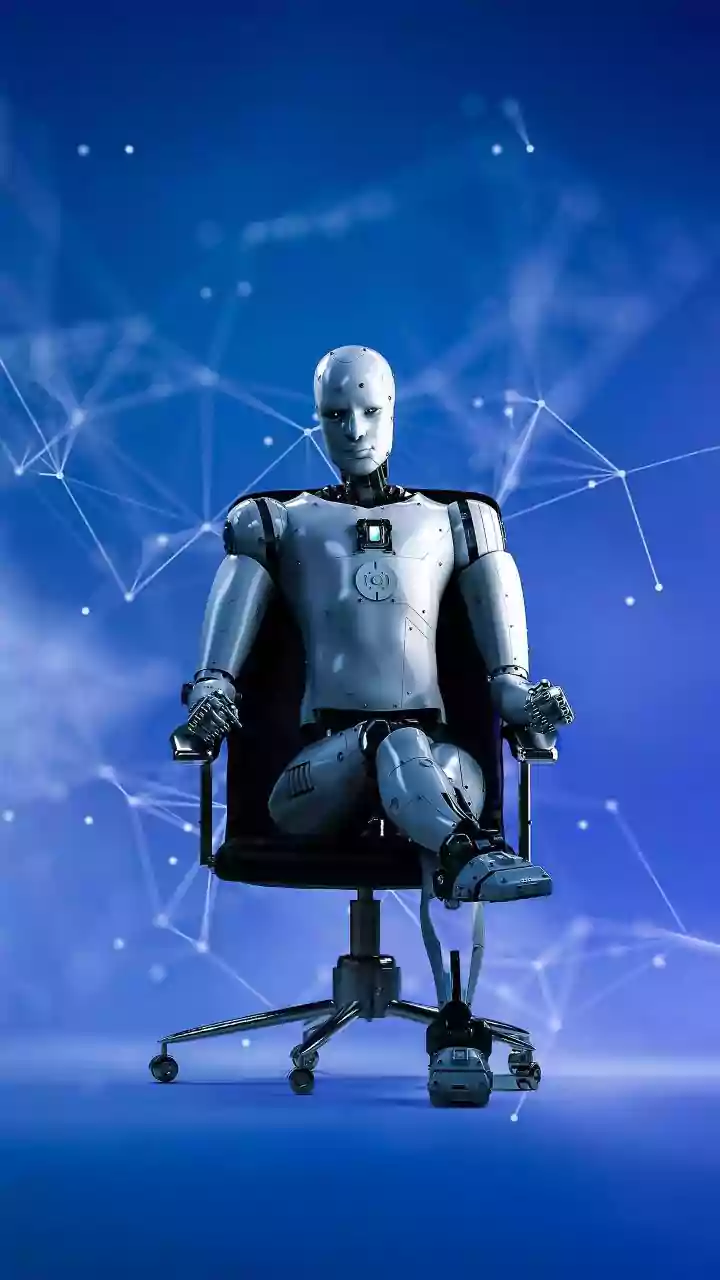
but persistent challenge of perfecting English-language business proposals. Generative AI is now acting as a powerful co-pilot, not replacing the creative drive but augmenting it. Tools like ChatGPT for text, Midjourney for images, and various AI-powered presentation software are becoming standard issue in the modern freelancer's toolkit. This isn't about replacing human creativity; it's about supercharging the 'business' part of being a creative business owner. The artist, writer, or designer can now spend more time on the core idea, letting the AI handle the laborious, time-consuming tasks that surround it.
From Hours to Minutes: The Pitching Revolution
The most significant change is in the pitching process itself. Previously, creating a single, high-quality, customized pitch for an international client could take a full day. This involved researching the client, writing bespoke copy, creating visual mockups, and assembling it all into a polished presentation. Now, that entire workflow is being compressed. A freelance graphic designer can use an AI image generator like Midjourney or DALL-E 3 to create three distinct visual concepts for a client’s branding campaign in under an hour. A copywriter can feed a client’s website and project brief into ChatGPT and ask it to generate a dozen potential taglines or a draft of a proposal that perfectly matches the client's tone of voice. The freelancer’s role shifts from manual laborer to creative director, curating and refining the AI's output into a compelling package. This speed allows them to pitch more clients, more often, and with more personalized material than ever before.
Bridging the Language and Culture Gap
One of the most persistent, if unspoken, hurdles for many non-native English speakers is the confidence to write flawless, idiomatic business communications. Even for highly fluent individuals, the fear of a small grammatical error or a phrase that sounds slightly 'off' can be a source of anxiety. Generative AI all but eliminates this issue. Freelancers can write their ideas in the way that feels most natural and then use AI tools to refine the language, check for tone, and ensure the final text reads as if written by a native marketing executive. This is more than just a grammar check; it's a cultural and professional translator. It helps align the pitch with the expectations of a client in New York or London, closing a gap that no amount of talent could previously bridge on its own. This newfound linguistic confidence empowers them to engage more directly and boldly with high-value clients.
What This Means for U.S. Clients
For the U.S. companies hiring these freelancers, this trend has two major implications. First, the pool of viable international talent is about to get much larger and more competitive. The barriers that once made it easier to stick with local or known contractors are dissolving. The Indian freelancer who can turn around three stellar concepts overnight is suddenly a much more attractive option. Second, the quality of pitches is rising across the board. Clients can expect to see more creative ideas and more polished proposals upfront, even from freelancers they’ve never worked with before. The challenge for clients will be learning to discern true creative talent from someone who is merely adept at using AI tools. The focus will shift from the polish of the pitch to the strategic thinking and unique creative spark behind it—qualities that AI can assist, but not yet originate.