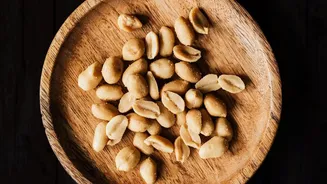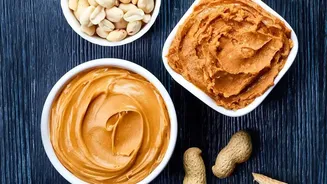







The humble peanut, or 'moongphali', is a beloved snack across India. Now, exciting new research suggests it might be more than just a tasty pastime. A recent study has linked daily peanut consumption to improved memory in older adults.
The Science Behind the Snack
Researchers from
Maastricht University in the Netherlands conducted a study to see if regular peanut consumption could affect brain function in healthy older adults. They recruited 31 participants with an average age of 67 for a 16-week trial. During one phase, participants ate 60 grams of unsalted, skin-roasted peanuts daily—roughly two small handfuls. In another phase, they avoided peanuts completely. The researchers used advanced MRI scans to measure blood flow in the brain, a key indicator of brain health, and also tested various cognitive skills.
What the Study Discovered
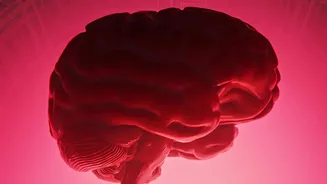
The results were promising. After 16 weeks of eating peanuts, participants showed a significant 3.6% increase in overall blood flow to the brain. More specifically, blood flow to the grey matter, which is crucial for processing information, increased by 4.5%. This improved circulation was linked to a tangible cognitive benefit: a 5.8% improvement in verbal memory. Participants were better at recalling words from a list after a delay, a task that often becomes more challenging with age. Additionally, a follow-up analysis suggested that peanut consumption improved how memory-related brain regions, including the hippocampus, respond to insulin, which is vital for nerve cell communication.
Why Skin-Roasted Peanuts Matter
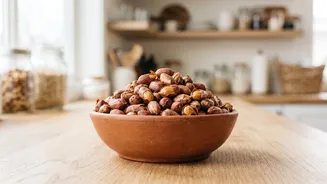
The choice of 'skin-roasted' peanuts was deliberate and crucial to the study. Those thin, reddish papery skins, often discarded, are packed with beneficial bioactive compounds called polyphenols. These compounds, similar to those found in red wine and dark chocolate, are powerful antioxidants. Peanuts are also rich in L-arginine, an amino acid that helps the body produce nitric oxide, a molecule that relaxes blood vessels and improves circulation. Researchers believe the combination of improved blood flow from L-arginine and the antioxidant effects of the polyphenols in the skin likely explains the observed memory benefits.
A Pinch of Salt: Putting It in Context
While these findings are exciting, it is important to keep them in perspective. This was a small study with only 31 participants. The results show a positive association, but they do not prove that peanuts can prevent or reverse cognitive decline or diseases like Alzheimer's. The improvements were noted in specific tasks, like verbal memory, but not across all cognitive functions like executive function or processing speed. It is a promising piece of the puzzle, not a magic solution. Larger, independent studies are needed to confirm these findings and understand the long-term effects.
The Takeaway for Your Diet
So, should you rush to add peanuts to your diet for brain health? For most people without a peanut allergy, incorporating unsalted, skin-on peanuts into a balanced diet can be a healthy choice. The study highlights the potential of whole foods to support our health as we age. It reinforces the idea that a healthy dietary pattern is more important than any single 'superfood'. Eating a variety of nuts, fruits, and vegetables remains the cornerstone of good nutrition for both body and brain. This research simply adds another layer of appreciation for the powerful nutrients that can be found in simple, everyday foods.