


A Treasure Map for the Final Frontier
For decades, scientists have theorized that water ice could be trapped in the Moon's permanently shadowed regions (PSRs) — craters at the poles that never see sunlight. Temperatures in these areas plunge to some of the lowest in the solar system, cold
enough to preserve ice for billions of years. While previous missions confirmed the presence of hydrogen and even detected ice, the latest mapping efforts provide an unprecedented look at where this ice is located and, crucially, how accessible it might be. Using advanced remote sensing and even AI-driven analysis, agencies and researchers have created detailed prospectivity maps that highlight the most promising areas for finding significant deposits near the surface. This is less like knowing there’s treasure buried somewhere and more like having a map with several big ‘X’s marking the spot.
Why Water Is the Moon’s Most Valuable Resource
On Earth, water is essential for life; in space, it is life, a gas station, and an oxygen factory all in one. For astronauts at a future lunar base, water ice can be melted and purified for drinking and used to grow plants for food. Just as important, it can be broken down into its core components: hydrogen and oxygen. This provides breathable air for habitats, replenishing the life support systems that would otherwise need to be ferried from Earth at enormous cost. The presence of this vital resource eliminates the need to transport massive quantities from our home planet, dramatically reducing the price tag and complexity of long-term missions. It’s a cornerstone of what experts call In-Situ Resource Utilization (ISRU), or living off the land.
From a Frozen Crater to a Cosmic Gas Station
The most revolutionary application for lunar water is its potential as rocket propellant. By separating water (H2O) into liquid hydrogen (the fuel) and liquid oxygen (the oxidizer), the Moon could become a refueling depot for spacecraft. This is a monumental shift. Currently, every mission to deep space must carry all its fuel from Earth, fighting our planet's strong gravity in a costly launch. A lunar gas station would allow a spaceship to launch from Earth with just enough fuel to get to the Moon, top up its tanks with lunar-derived propellant, and then continue to Mars or beyond. This capability fundamentally changes the equation for interplanetary travel, making more ambitious missions feasible and affordable.
The New Lunar Gold Rush
The confirmation of accessible water ice has ignited a new kind of space race, one driven as much by commerce as by national pride. NASA’s Artemis program, which aims to establish a long-term human presence on the Moon, is heavily focused on the south pole precisely because of its water resources. But government agencies are not alone. A growing number of private companies are developing technologies for lunar mining, processing, and transportation. Companies like Starpath, Interlune, and Blue Origin are creating everything from resource-harvesting rovers to lunar landers, all with an eye on the emerging lunar economy. These firms envision a future where they sell water, oxygen, and fuel to NASA and other customers directly from the Moon, creating a new commercial ecosystem far from Earth.
The Challenges Ahead
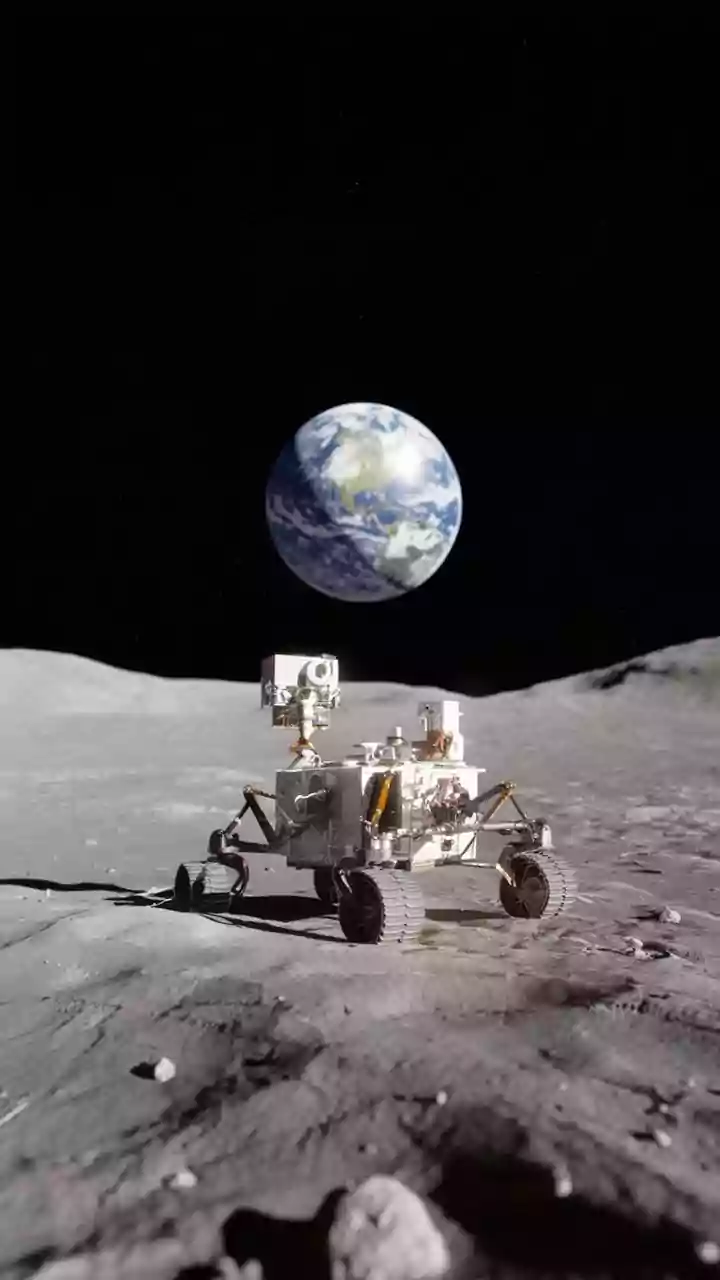
While the promise is immense, the path forward is difficult. Extracting water ice from lunar regolith in permanently dark, incredibly cold craters is a significant engineering challenge. Temperatures can drop below -240 degrees Celsius, and the terrain is rocky and treacherous. Robotic missions, like the now-canceled VIPER rover, were designed to be the first step in understanding these conditions, drilling into the soil to analyze the ice content directly. Future missions, both robotic and crewed, will need to test and refine techniques for drilling, excavating, and heating the frozen regolith to release and capture the water in one of the most hostile environments imaginable.